
Why Water Leaks Demand Your Immediate Attention
Water leaks might start as a simple drip, but they can quickly turn into your home’s worst enemy. Here’s what every homeowner needs to know about detecting and reporting water leaks:
Most Common Water Leak Signs:
- Unexpected increases in your water bill
- Musty odors in bathrooms, kitchens, or basements
- Peeling paint or wallpaper
- Stains on walls and ceilings
- Spongy or warped flooring
- Sound of dripping when all water is turned off
Quick Detection Method:
- Turn off all water in your home
- Check your water meter reading
- Wait 2 hours without using any water
- Check the meter again – if it changed, you have a leak
The numbers tell a sobering story. The average household loses almost 10,000 gallons of water every year due to leaks, according to EPA data. Even worse, 10% of homes have leaks that waste 90 gallons or more per day – that’s enough water for 300 loads of laundry going straight down the drain.
A single leaky faucet dripping at one drip per second wastes more than 3,000 gallons annually. A running toilet can waste up to 200 gallons per day. These aren’t just numbers on a water bill – they represent real damage happening inside your walls, under your floors, and throughout your home’s structure.
Drip, drip, drip. That sound isn’t just annoying – it’s your home asking for help. Water leaks don’t just waste resources; they create the perfect conditions for mold growth, weaken structural elements, and can lead to thousands of dollars in repairs if left unchecked.
The good news? Most water leaks give you warning signs long before they become disasters. Learning to spot these early indicators and knowing when to call for professional help can save you from costly repairs and protect your family’s health and safety.
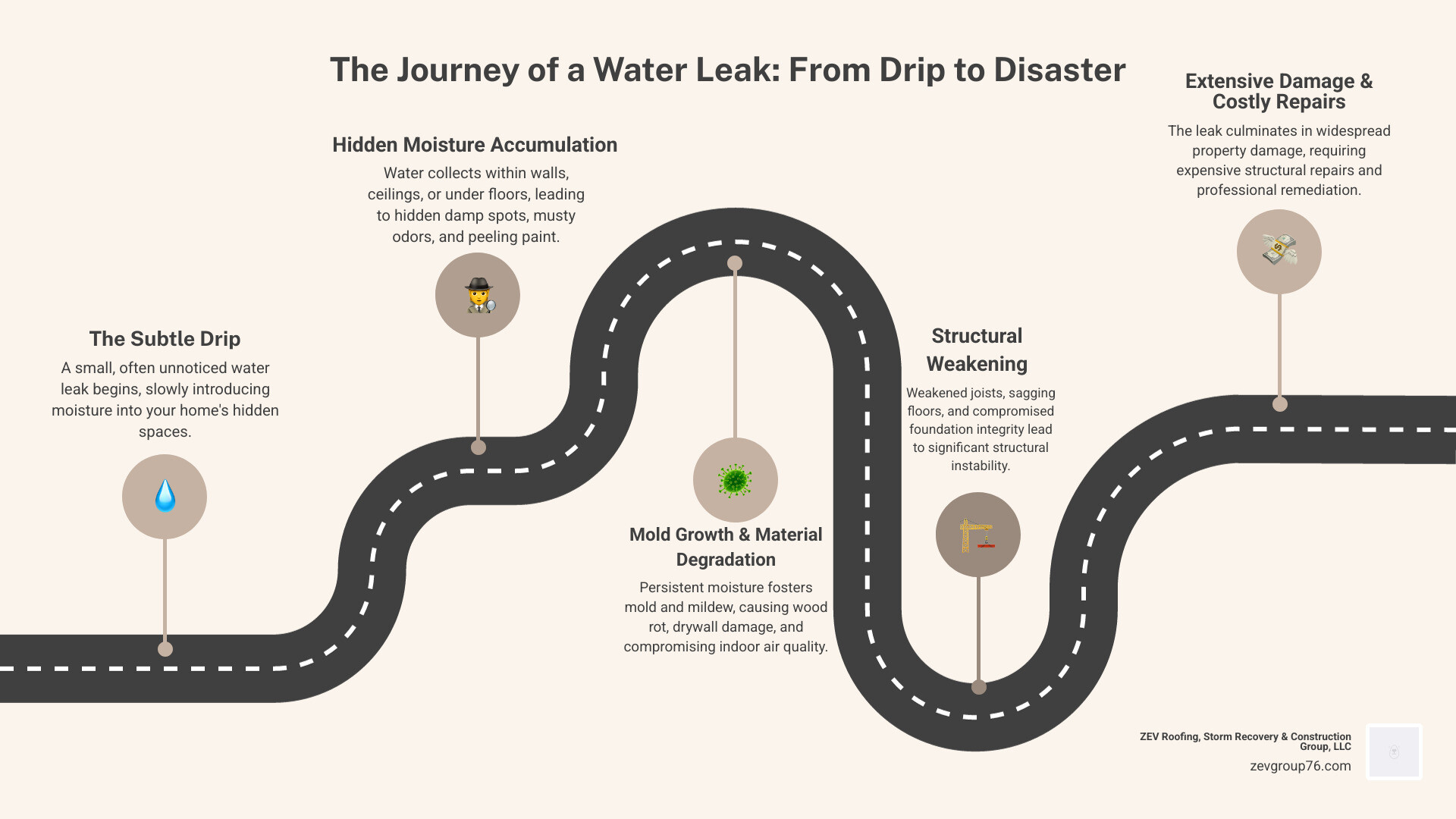
The Hidden Dangers of Unchecked Water Leaks
When you hear that steady drip, drip, drip in the middle of the night, it’s easy to think “I’ll deal with that tomorrow.” But water leaks are like a friend who overstays their welcome, quietly destroying your home.
That innocent-looking drip is actually working overtime, creating the perfect storm of problems that can turn your cozy sanctuary into a costly nightmare. We’ve seen countless homes across Texas and New Mexico where a “minor” leak turned into major headaches, from rotting wood that crumbles like old cookies to foundation cracks that make your walls look like a jigsaw puzzle.
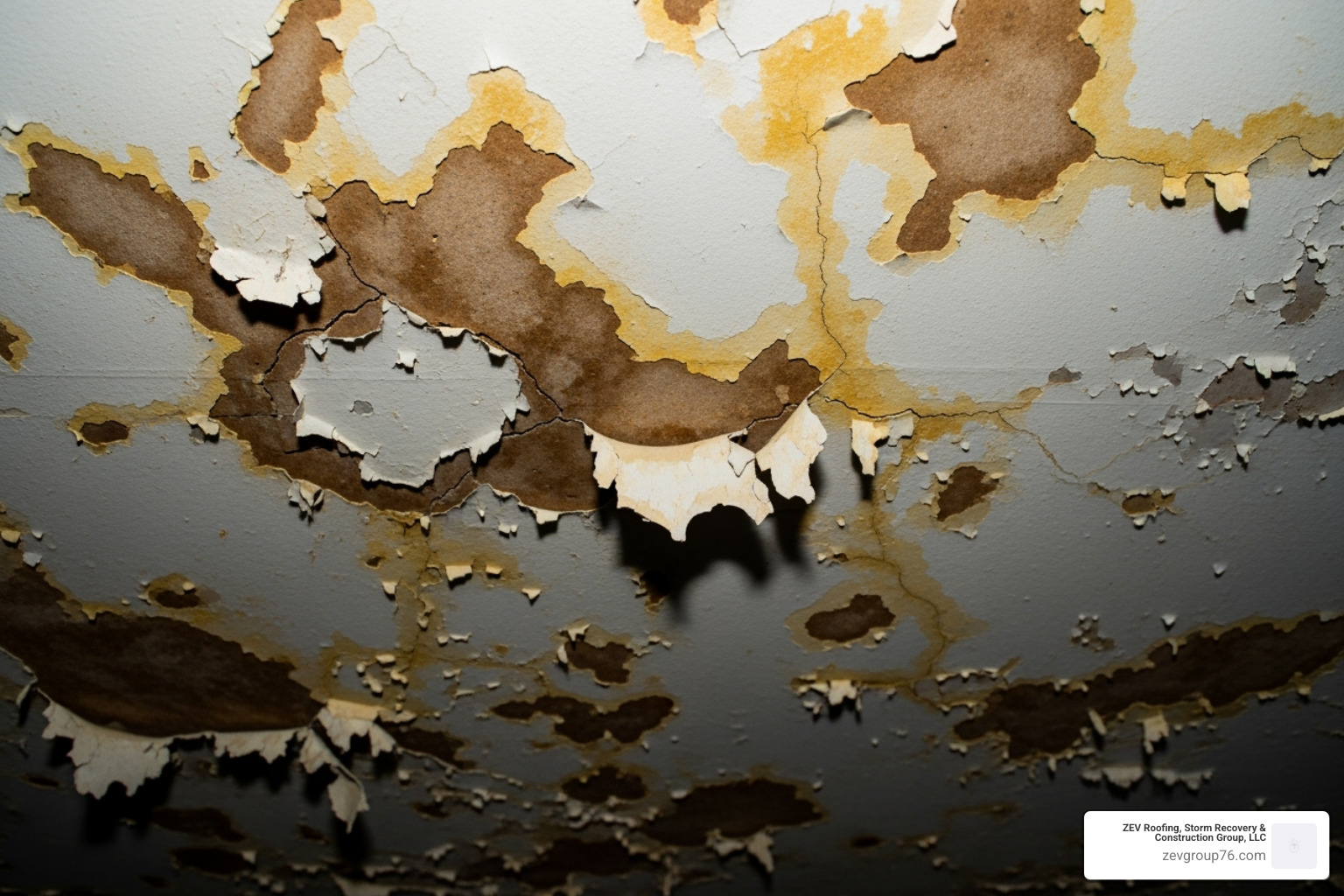
Structural damage starts small but thinks big. That persistent moisture doesn’t just sit there politely – it gets to work immediately, soaking into your drywall until it warps and crumbles like wet cardboard. Your beautiful paint starts peeling away in sheets, and those lovely walls begin to bow and buckle under the constant assault of unwanted water.
But the real troublemakers are hiding where you can’t see them. Water leaks love to party in dark, hidden spaces where they can cause maximum chaos without being noticed. They’re busy weakening your floor joists, turning solid wood into something with the consistency of a sponge, and creating foundation cracks that can make your entire home unstable.
The numbers are stark. The average household wastes over 10,000 gallons of water annually through leaks. Some homes waste 90 gallons or more daily—enough for 300 loads of laundry.
The Impact on Your Home’s Structure
Your home’s structure is like a carefully balanced house of cards – remove or weaken one element, and the whole thing becomes wobbly. Water leaks are masters at finding and attacking these crucial support systems, turning your solid foundation into something that would make an engineer lose sleep.
Weakened joists are often the first casualties. These essential support beams, once strong enough to hold up entire rooms, start to soften and decay when constantly exposed to moisture. This can lead to sagging floors that bounce when you walk across them.
Compromised foundation integrity is where things get really serious. Water doesn’t just damage what it touches; it changes the very ground your home sits on. Constant moisture can soften the soil around your foundation, causing shifting and settlement that leads to cracks you could stick your finger through.
Your home’s Exterior Siding takes a beating too. What should be your first line of defense against the elements becomes warped, rotted, and about as protective as a paper umbrella in a thunderstorm. This is exactly why understanding The Importance of Siding Replacement in Tampa Florida applies everywhere – proper siding is your home’s armor against water leaks.
When structures are already weakened by persistent leaks, they become sitting ducks for additional problems. A home that might have weathered a storm just fine becomes vulnerable to damage that requires extensive Storm Damage Repair. It’s like trying to fight a battle when you’re already injured – the odds aren’t in your favor.
The Health Risks of Mold and Mildew
Here’s where water leaks really show their nasty side. Not content with just destroying your home’s structure, they invite some truly unwelcome guests to the party: mold and mildew. These uninvited visitors are like the worst kind of houseguests – they move in fast, multiply quickly, and are incredibly hard to get rid of.
Mold doesn’t waste time. Give it 24 to 48 hours of moisture, and it’s already setting up shop in your walls, under your floors, and anywhere else that stays damp and dark. The scary part? You might not even see it growing, but that musty odor that makes your nose wrinkle? That’s mold saying “hello” in the most unpleasant way possible.
Allergies and respiratory issues are just the beginning. Living with mold is like having an invisible enemy that attacks your family’s health every day. Some people experience constant sneezing, watery eyes, and that stuffy feeling that never goes away. Others develop more serious breathing problems that can affect their quality of life.
The unsafe living environment that mold creates isn’t something you can ignore or “get used to.” Your home should be your safe haven, not a place that makes you sick. That persistent musty smell isn’t just unpleasant – it’s a warning sign that your indoor air quality is compromised.
Professional remediation isn’t just recommended; it’s often essential. Trying to clean up extensive mold yourself is like trying to perform surgery with a butter knife – you’re likely to make things worse. Once the professionals have eliminated the mold and fixed the underlying water leak, you might need Interior Exterior Painting to restore your home’s appearance and ensure you’re starting fresh with a healthy environment.
Don’t let a small drip turn into a health hazard for your family. The sooner you address water leaks, the better your chances of avoiding these serious health risks altogether.
Your First Line of Defense: Detecting Leaks in Your Home
The best way to protect your home from water leaks is to catch them before they become disasters. Think of it like this: you wouldn’t ignore a small crack in your windshield, knowing it could spider across the entire glass, right? The same logic applies to water leaks in your home.
Most homeowners don’t realize they have hidden water leaks until significant damage has occurred. The good news is your home gives you clues if you know what to look for.
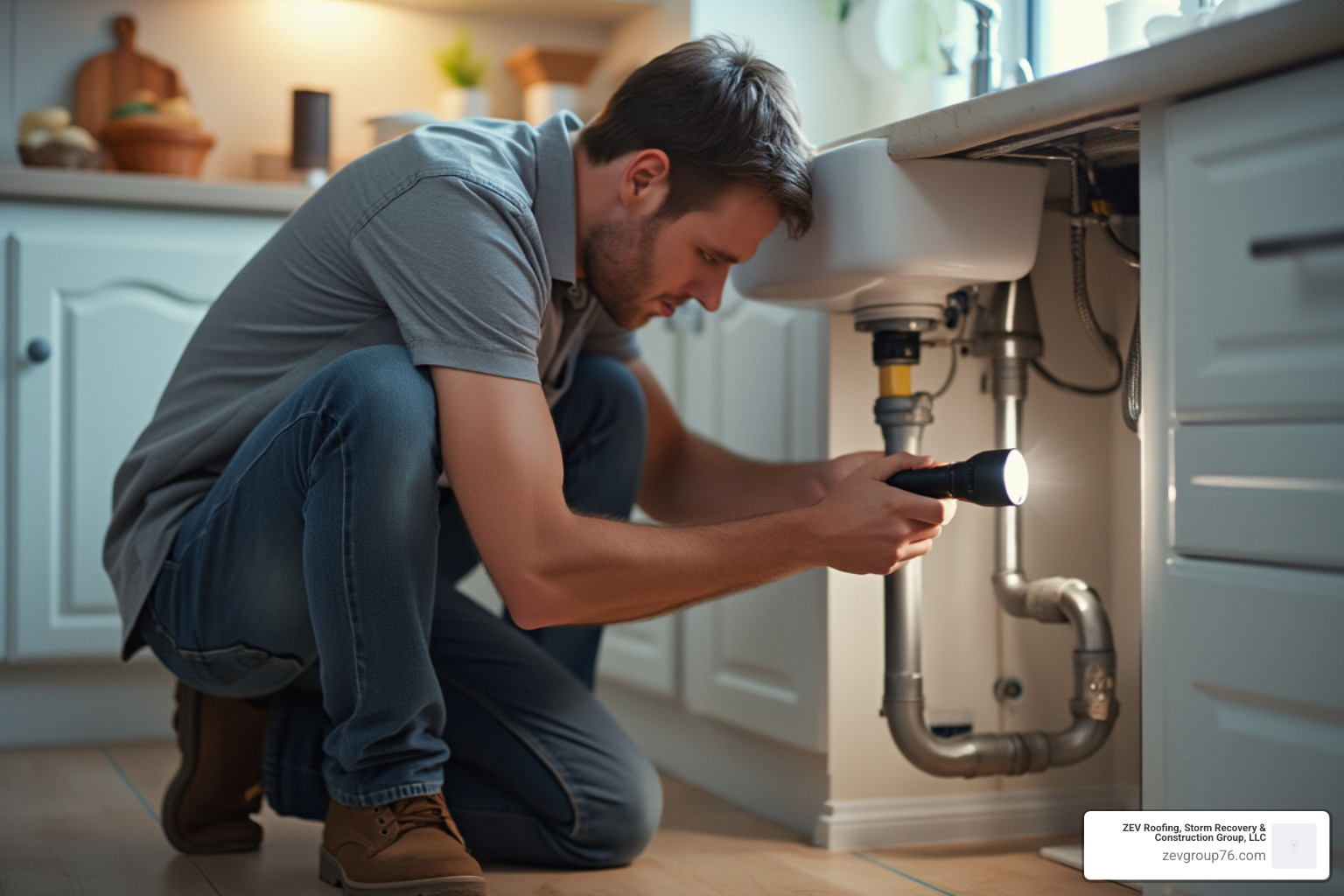
Regular proactive checks don’t require special skills – just your senses and a few minutes of your time. Walk through your home and use your senses. What seems out of place? Your water meter can also be your best detective tool, revealing hidden water leaks that your eyes might miss.
Telltale Signs of a Hidden Leak
Your home speaks to you in ways you might not expect. That musty smell in the basement isn’t just “old house character” – it’s often your first warning of a hidden water leak. Similarly, when you notice peeling paint or bubbling wallpaper, moisture is literally pushing these materials away from your walls.
Unexpected wet spots are obvious red flags, but don’t overlook the subtler signs. Warped walls or ceilings that feel soft to the touch indicate water has been soaking into the drywall for some time. Discolored walls or ceilings – especially those yellowish or brownish stains – are classic calling cards of water leaks from above.
Pay special attention to stains on ceilings below bathrooms. We see this constantly in our work across Texas and New Mexico. What starts as a small discoloration can quickly spread as water finds its way through floor joints and ceiling materials.
Your floors tell stories too. Spongy carpeting that feels damp underfoot, especially near walls or in basements, is absorbing water from somewhere. Discolored wood flooring that shows warping, cupping, or dark stains is crying out for help. Even loose tiles in bathrooms and kitchens can signal underlying moisture issues.
Don’t ignore your utility bills or your ears. A sudden spike in water bills without changes in your usage habits is like your wallet screaming “leak!” And those gurgling sounds in your pipes? They’re not just quirky house noises – they often signal air in the lines, which frequently precedes a leak.
Condensation buildup on windows or pipes might seem normal, but excessive moisture can indicate high humidity levels caused by hidden water leaks. Even rotting wood elements that appear soft or crumbling point to long-term moisture exposure that needs immediate attention.
Common Culprits: The Most Frequent Household Leaks
Some areas of your home are like leak magnets – they just seem to attract problems. Toilets are the silent troublemakers of the plumbing world. A faulty flapper can waste hundreds of gallons daily without making a single sound. It’s like having a thief that steals your water bill money while you sleep.
Faucets and showerheads are the obvious suspects. That annoying drip, drip, drip isn’t just keeping you awake – it’s steadily increasing your water bill. Usually, worn-out washers or cartridges are the culprits, and they’re often easy fixes.
Water heaters deserve special attention. Leaks from the pressure relief valve, drain valve, or corrosion at the tank’s bottom can cause significant damage. Washing machine hoses are ticking time bombs – old, brittle hoses love to burst at the most inconvenient times, creating instant floods.
Don’t forget to check under-sink plumbing. Those connections and P-traps can loosen or corrode, especially in older homes.
Your home’s exterior systems matter too. Damaged Shingles can allow water to enter your home, creating what looks like internal water leaks. Clogged gutters are particularly troublesome – when they overflow, water can pool around your foundation or seep into walls. Proper Gutter Installation and maintenance prevent these headaches before they start.
Even your irrigation system can be a sneaky source of water leaks. Underground pipes or sprinkler heads develop leaks that often go unnoticed until you see unusually green patches of grass or get a shocking water bill.
How to Detect Water Leaks Using Your Water Meter
Your water meter is like having a 24/7 leak detective on duty. This simple test can confirm whether you have hidden water leaks anywhere in your system, even when you can’t see or hear them.
Start by turning off all water throughout your home. This means everything – no flushing toilets, running faucets, dishwashers, washing machines, or sprinkler systems. Think of it as putting your entire plumbing system on pause.
Next, locate your water meter. It’s typically near the street in a concrete box, though some homes have meters in the basement. Record the numbers you see, and look for the small red triangle or tiny silver wheel (the “leak indicator”) that spins with even slight water movement.
Wait at least 2 hours without using any water.
After your waiting period, check the meter again. If the numbers have changed or that little indicator is spinning, congratulations – you’ve just confirmed you have a water leak somewhere in your system. This method, detailed in resources like How to Detect Leaks, can save you days of hunting for hidden problems.
The beauty of this test is its simplicity. You don’t need special tools or expertise – just patience and attention to detail. Once you’ve confirmed a leak exists, you can focus your efforts on finding its exact location or calling in professional help.
Taking Action: What to Do When You Find a Leak
Finding water leaks can be overwhelming, but don’t panic. Taking swift, smart action can save you thousands and prevent serious damage. Knowing the right steps can make all the difference between a minor inconvenience and a major disaster.
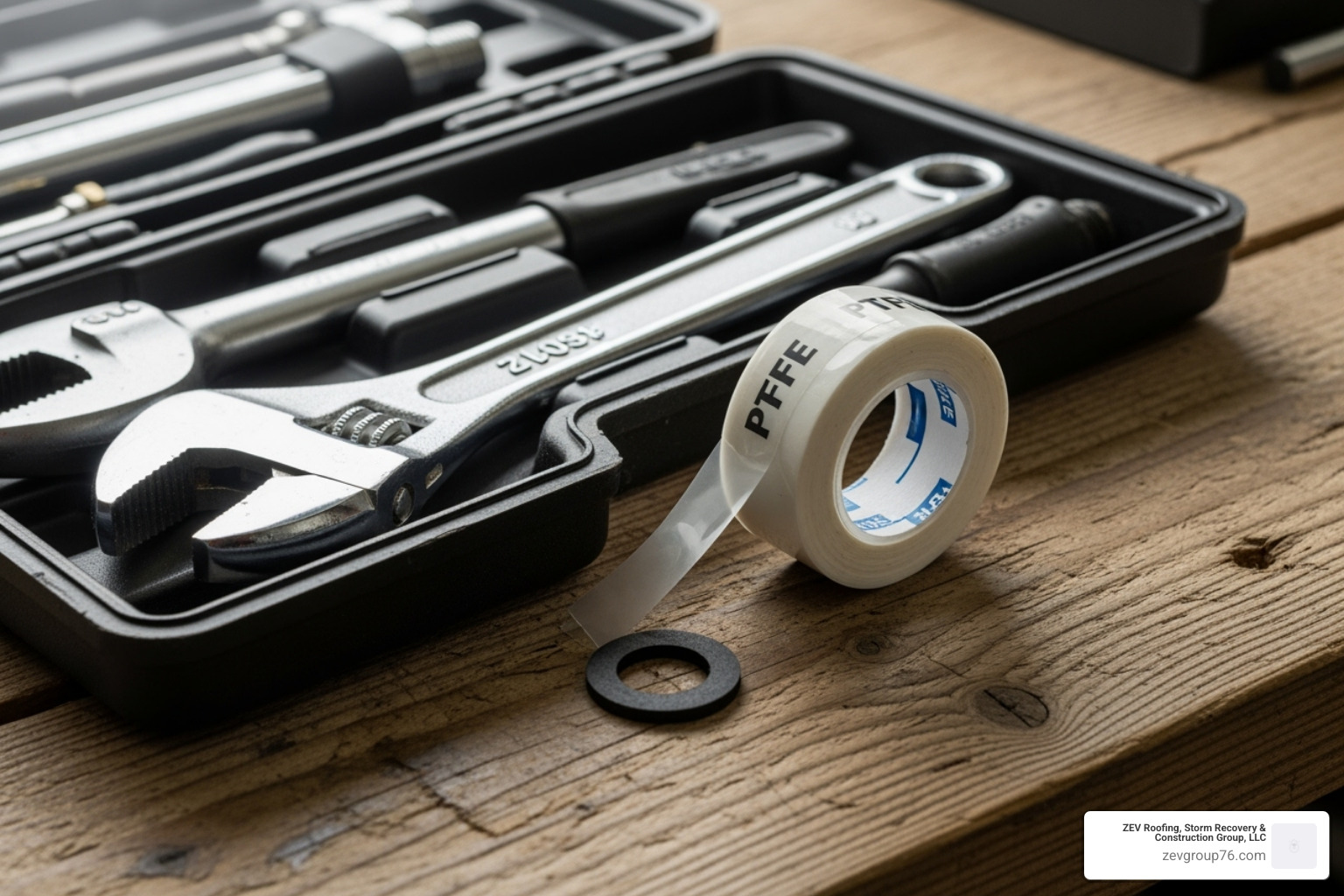
The key is staying calm and following a logical sequence of actions. Safety always comes first – both for you and your home. Some water leaks are perfect for a weekend DIY project, while others require professional expertise right away. Learning to tell the difference can save you time, money, and a lot of frustration.
Steps to Take When You Find a Leak
When you find water leaks, especially if water is actively flowing, your response needs to be immediate and methodical. Think of it as damage control first, then problem-solving.
Shut off the water supply as your very first move. This single action can prevent thousands of dollars in additional damage. Locate your home’s main water shut-off valve – it’s usually near where the water line enters your house or close to your water meter. Turn it clockwise to stop the flow completely. If you’re not sure where this valve is located, find it now before you need it in an emergency.
Contain the leak once you’ve stopped the water flow. Grab every towel, bucket, and pan you can find to catch dripping water and soak up standing puddles. Move furniture, electronics, and anything valuable away from the wet area immediately. Water and electricity don’t mix, so be extra careful around outlets and electrical appliances.
Document the damage before you start cleaning up. Take clear photos and videos of the leak itself and any damage it has caused. This documentation becomes crucial if you need to file an insurance claim later. Capture different angles and make sure the images clearly show the extent of the problem.
Contact a professional when you’re dealing with anything more serious than a simple dripping faucet. This includes persistent leaks, major pipe bursts, water leaks inside walls or ceilings, sudden drops in water pressure, foundation leaks, or any suspected roof leaks that might need a Roof Inspection. At ZEV Roofing & Construction, we’ve seen too many small problems become expensive disasters when homeowners wait too long to get professional help.
Why Professional Help Matters
While fixing a dripping faucet can be a satisfying DIY project, many water leaks require expertise that goes far beyond what you’ll find in a weekend warrior toolkit. Professional contractors bring more than just tools – they bring experience, proper diagnosis skills, and the ability to see the bigger picture.
Proper diagnosis is often the difference between a temporary fix and a permanent solution. We use specialized equipment like moisture meters and thermal cameras to find hidden water leaks that might not be obvious to the naked eye. What looks like a simple ceiling stain might actually be a complex roof issue requiring comprehensive repair.
Preventing further damage is where professional expertise really shines. We’ve seen countless situations where a well-meaning DIY repair actually made the problem worse. When you’re dealing with water leaks, getting it right the first time isn’t just about convenience – it’s about protecting your biggest investment.
Ensuring repairs meet code requirements protects both your safety and your home’s value. Local building codes exist for good reasons, and professional contractors know these requirements inside and out. This knowledge becomes especially important when dealing with structural repairs or major plumbing work.
Access to specialized equipment means we can solve problems efficiently without tearing apart your walls unnecessarily. Our advanced leak detection tools can pinpoint exact locations, saving you time and money on repairs.
Comprehensive solutions set professional contractors apart from simple repair services. When water leaks cause structural damage, you need more than just a plumber. At ZEV Roofing & Construction, we can handle everything from Roof Replacement to Storm Damage Repair, ensuring your home gets complete protection rather than just a quick patch job.
The peace of mind that comes with professional service is invaluable. We don’t just fix the immediate problem – we help you understand what caused it and how to prevent it from happening again. Plus, we can assist with insurance claims, making the entire process as smooth as possible during what’s already a stressful time.
Frequently Asked Questions about Water Leaks
When homeowners find water leaks, they often have pressing questions about the immediate and long-term impacts. We’ve helped countless families across Texas and New Mexico deal with these situations, and we’ve noticed the same concerns come up time and again. Let’s address the most common questions we hear.
How much water can a small leak really waste?
The answer might shock you. That innocent little drip from your kitchen faucet? It’s wasting far more water than you’d ever imagine.
A single faucet dripping just once per second sends more than 3,000 gallons down the drain every year. To put that in perspective, that’s enough water for over 180 showers! Your morning coffee routine uses less water in a month than that little drip wastes in a week.
Running toilets are even worse offenders. A toilet with a faulty flapper can waste up to 200 gallons per day – that’s like leaving your garden hose running for hours. Over a year, you’re looking at over 70,000 gallons of wasted water from just one misbehaving toilet.
Even a shower head with a modest 10 drips per minute adds up to more than 500 gallons annually. The EPA WaterSense leak facts reveal that 10% of homes have leaks wasting 90 gallons or more daily. Nationally, household water leaks waste over one trillion gallons every year.
These numbers aren’t just statistics – they represent real money leaving your wallet and precious water resources going to waste. The good news? Fixing these leaks can save you up to 10% on your water bill.
Can a water leak cause my foundation to crack?
Absolutely, and it’s more common than you might think. We’ve seen this scenario play out countless times across Texas and New Mexico, where soil conditions make homes particularly vulnerable to water-related foundation problems.
Here’s what happens: water leaks saturate the soil around your foundation. In areas with expansive clay soil (common in much of Texas), this creates a dangerous cycle. The clay swells when wet and shrinks dramatically when it dries out. Your foundation essentially sits on ground that’s constantly shifting and moving.
This continuous expansion and contraction puts enormous stress on your foundation. Over time, the concrete develops cracks, and once water finds these weak spots, the problem accelerates. What started as a small leak from a sprinkler line or a damaged pipe can eventually compromise your entire foundation’s integrity.
Hydrostatic pressure makes things even worse. When water accumulates around your foundation, it pushes against the walls and slab with tremendous force. Think of it like a dam holding back water – eventually, something has to give. The result? Cracks that allow even more water intrusion, creating a cycle that gets worse over time.
We’ve helped homeowners who ignored small water leaks for months, only to find major foundation damage later. The repair costs jumped from a few hundred dollars to tens of thousands. That’s why we always tell our clients: address water issues immediately, no matter how small they seem.
What is the difference between a leak in the street and a leak in my home?
This distinction is crucial because it determines who’s responsible for fixing the problem – and who pays for it.
Public leaks happen in the street, sidewalk, or other public areas. These involve the municipal water infrastructure – things like water mains, service lines up to your property line, or fire hydrants. If you see water gushing onto the street, bubbling up from the sidewalk, or notice an overflowing manhole cover, that’s not your responsibility.
Report these issues immediately to your local water department or public works office. They’ll handle the repair and the costs. Don’t ignore public leaks thinking “someone else will report it” – these can cause significant damage to roads and neighboring properties if left unaddressed.
Private leaks are your responsibility as the homeowner. These include anything from your water meter to your house and everything inside your home. This covers your indoor plumbing, fixtures, appliances, and the service line running from the street to your house.
The dividing line is usually your water meter or property line. Everything on the street side belongs to the utility company. Everything on your house side belongs to you. When in doubt, call your water department – they can clarify where their responsibility ends and yours begins.
If you’re renting, your landlord typically handles water leaks within the property. However, as a tenant, you should report leaks immediately to prevent damage and avoid potential liability for negligence.
Understanding this difference saves time, money, and frustration. We’ve seen homeowners spend days trying to fix public infrastructure issues they weren’t responsible for, while others ignored leaks thinking the city would handle them. Know your boundaries, and you’ll get problems solved faster.
Conclusion
Water leaks start small, but they dream big. That innocent little drip behind your bathroom wall has grand ambitions – it wants to become a full-blown structural nightmare, complete with moldy walls, rotting beams, and repair bills that’ll make your wallet weep.
But here’s the good news: you’re now armed with the knowledge to catch these sneaky culprits before they achieve their destructive goals. Early detection truly is your superpower when it comes to protecting your home. Whether it’s spotting those telltale water stains, listening for mysterious dripping sounds, or using your water meter as a leak detective, you have the tools to stay one step ahead.
While fixing a drippy faucet might be a satisfying weekend project, many water leaks require the steady hand of a professional. Hidden leaks behind walls, foundation issues, and roof-related water intrusion aren’t just complex – they can be dangerous if handled incorrectly.
That’s where we come in. At ZEV Roofing & Construction, we’ve seen it all across Texas and New Mexico. From storm-damaged roofs letting in unwanted water to mysterious leaks that have homeowners scratching their heads, we bring the expertise and specialized equipment needed to solve these puzzles properly. Our comprehensive approach means we don’t just fix the immediate problem – we look at your entire home’s protection system.
Whether you need a complete Roof Replacement after finding extensive water damage or want to be proactive with our Leak Prevention strategies, we’re here to help. We understand that dealing with water leaks can be stressful, which is why we also assist with insurance claims to make the process as smooth as possible.
Don’t let that innocent drip turn into a home renovation disaster. Your family’s safety, your home’s integrity, and your peace of mind are worth protecting. Take action at the first sign of trouble, and when in doubt, call the professionals who care about keeping your home dry and secure.