
Why Water Damage Prevention Matters for Every Property Owner
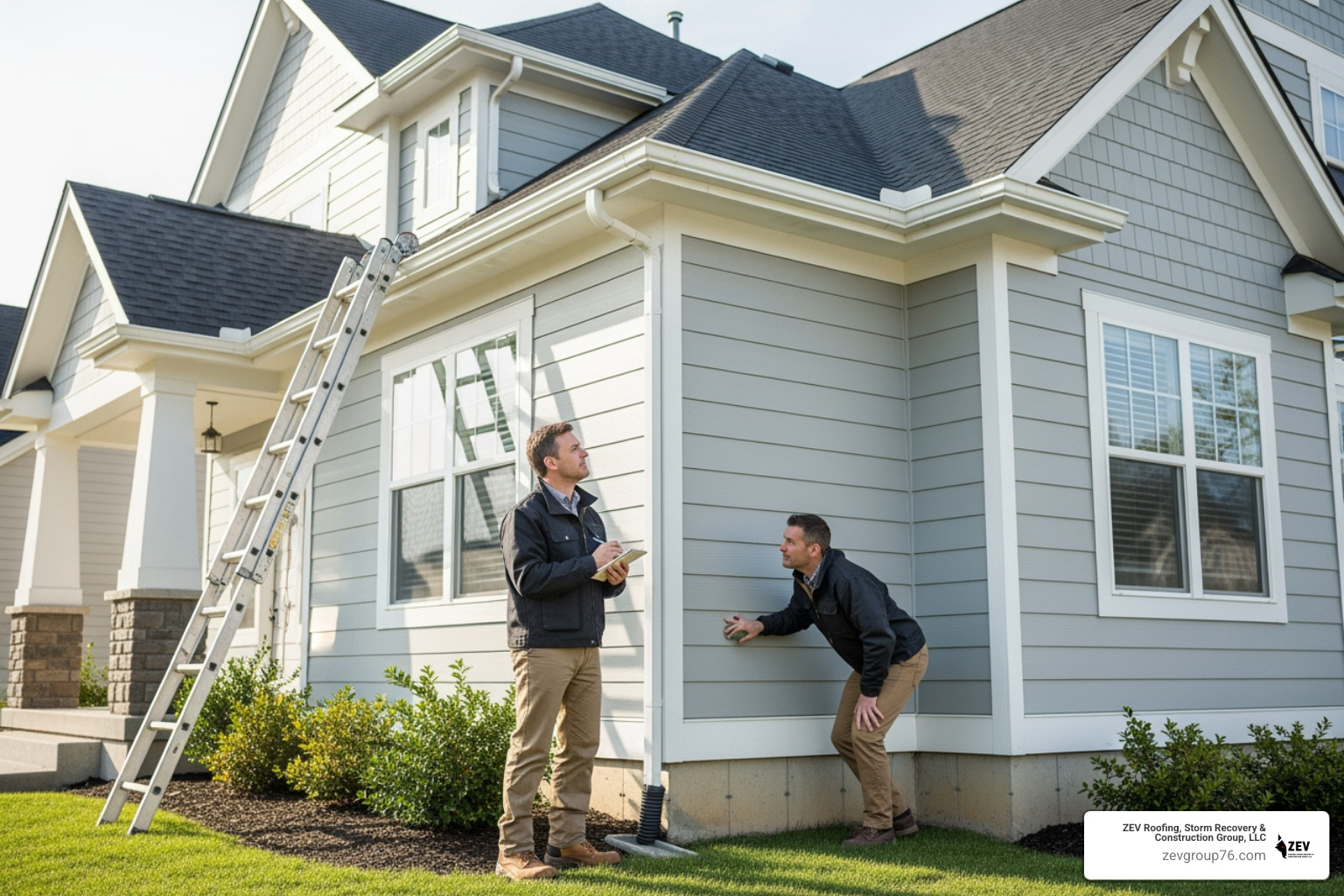
Water damage prevention is one of the most critical—and often overlooked—aspects of home maintenance. Here’s what you need to know right now:
Key Water Damage Prevention Strategies:
- Know your shut-off valves – Locate your main water valve and individual fixture shut-offs
- Inspect regularly – Check pipes, appliances, and hoses every 6 months for wear
- Maintain your exterior – Clean gutters, inspect your roof, and seal foundation cracks
- Use smart technology – Install leak detectors near appliances and water heaters
- Prepare seasonally – Insulate pipes in winter, inspect before storm season
The stakes are high. Water damage causes more than $10 billion in property losses annually across North America, making it the leading cause of property insurance claims in the United States. A single 1/8 inch crack in a pipe can leak up to 250 gallons per day, and the average water damage restoration costs around $3,300—though severe cases run much higher.
But the financial impact is only part of the story. Water damage can displace families from their homes for weeks or months during repairs. It can destroy irreplaceable family heirlooms and photos. It creates stress, disruption, and the very real health risk of mold growth. Most frustrating of all, the majority of water damage stems from preventable maintenance issues—not natural disasters.
The good news? A few proactive steps can dramatically reduce your risk. Regular inspections of plumbing fixtures, prompt replacement of aging appliance hoses, proper maintenance of your roof and gutters, and strategic use of modern leak detection technology can save you thousands of dollars and countless headaches.
I’m Eli Hita, Managing Partner of Zev Roofing, Storm Recovery, & Construction Group in Lubbock, Texas. After 15 years working with structural systems in demanding environments, I’ve seen how West Texas’s harsh climate—with its hail, wind, and temperature extremes—makes water damage prevention essential for every property owner. My team specializes in helping homeowners and businesses across the region strengthen their defenses against water intrusion before disaster strikes.
Water damage prevention vocabulary:
Understanding the Most Common Water Damage Culprits
When we talk about water damage prevention, it’s crucial to understand where these watery woes typically originate. It’s not always the catastrophic flood you see on the news; often, it’s the insidious drip behind a wall or a slowly failing appliance.
Here are the most common causes of water damage in homes and commercial properties across Texas and New Mexico:
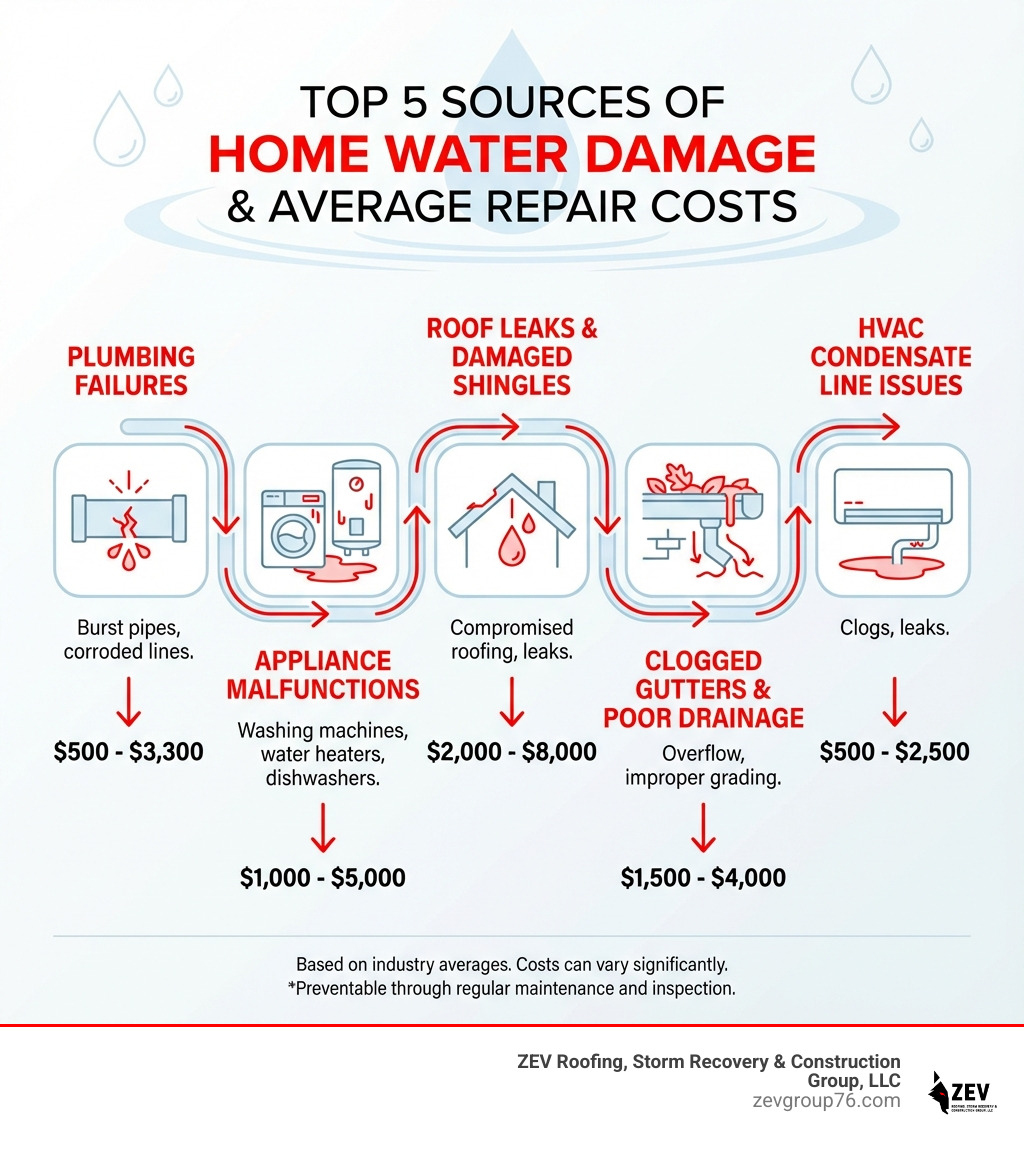
- Plumbing Failures: This is a big one. Leaking pipes, burst pipes (especially during winter freezes), corroded fittings, or even a tiny 1/8 inch pipe crack can release as much as 250 gallons of water per day. Older homes with aging plumbing systems are particularly susceptible to these issues.
- Appliance Malfunctions: Our modern conveniences, while helpful, are also common culprits. Defective washing machine hoses, water heaters, ice maker lines, and dishwashers are frequent sources of internal flooding. In fact, indoor plumbing fixtures, washers, dryers, and water heaters were among the top five critical home systems that broke down for homeowners in 2023.
- HVAC Issues: Air conditioning units and furnaces produce condensation. If their drain lines become clogged or pumps fail, water can back up and overflow, leading to significant damage, often in attics or utility closets.
- Clogged Gutters and Downspouts: When gutters are blocked by leaves and debris, rainwater can’t drain properly. It can then overflow, seep under your roof, or pool around your foundation, eroding the soil and potentially leading to basement or crawl space intrusion.
- Roof Leaks: Damaged, missing, or aging shingles, compromised flashing around chimneys or skylights, and deteriorated sealants can allow rainwater to penetrate your roof and attic, leading to ceiling damage and mold.
- Foundation Cracks: Differential soil settlement, common in our region’s expansive clay soils, can cause cracks in foundations and exterior walls. These cracks become direct pathways for water to enter basements and crawl spaces, especially during heavy rains.
- Weather Events: While often covered by specific insurance policies, we can’t ignore the impact of severe weather. Heavy convective storms, hurricanes (for coastal Texas, which impacts supply chains and resources even for us inland), and flash floods can overwhelm even well-maintained drainage systems. Winter freezes, though less frequent, can cause widespread burst pipes if homes aren’t properly winterized.
The consequences of these issues can be far-reaching:
- Financial Consequences: The average water damage restoration can cost $3,300, but this can skyrocket depending on the extent of the damage, the type of water (clean, gray, or black), and the location. Structural repairs, replacing damaged flooring, walls, and personal belongings, and especially mold remediation can quickly drain your savings. A burst pipe alone can cost about $500 for a moderate repair, not including the secondary damage.
- Emotional Consequences: Beyond the financial strain, there’s the stress of displacement, the disruption to daily life, and the emotional toll of losing cherished, irreplaceable items. It’s a truly disheartening experience that we wouldn’t wish on anyone.
Strengthening Your Home’s Interior Defenses
Proactive water damage prevention inside your home starts with a keen eye and a commitment to regular maintenance. We often say, “An ounce of prevention is worth a pound of cure,” and nowhere is that truer than with water damage. Managing your plumbing systems and appliances properly can prevent countless headaches and save you significant money. More info about preventing leaks inside your home.
Know Your Plumbing System
Understanding your home’s plumbing is your first line of defense.
- Main Water Shut-Off Valve: Do you know where your main water shut-off valve is? More importantly, do you know how to turn it off? This valve is your ultimate emergency brake in case of a major leak or burst pipe. It’s typically located on an exterior wall, in the garage, or in the basement. For public water supply, it’s usually on the street side of the home. We highly recommend locating it and practicing turning it off and on so you’re not fumbling in a panic.
- Individual Fixture Shut-Offs: Most toilets, sinks, and appliances like washing machines and dishwashers have individual shut-off valves. Knowing these can isolate a problem area without shutting off water to your entire home.
- Inspecting Pipes for Corrosion or Leaks: Regularly inspect exposed pipes—under sinks, in basements, and utility closets—for signs of trouble. Look for discoloration on metal pipes (blue, green, yellow, white), cracking or crimping of plastic parts, or any signs of moisture, drips, or puddles. Even slow, weeping leaks can cause significant damage over time. If you spot any issues, address them immediately. How to Prevent Pinhole Leaks in Copper Pipes is a great resource for understanding specific pipe vulnerabilities.
- DIY vs. Professional Repairs: While some minor issues, like tightening a loose connection, might be DIY-friendly, we strongly caution against attempting complex plumbing repairs yourself. The risks associated with DIY plumbing repairs are high, and a small mistake can lead to a major flood. If you’re unsure, or if it involves main lines or anything beyond a simple fix, professional help is necessary.
Maintain Appliances and Fixtures
Appliances and fixtures are common sources of leaks if not properly maintained. Here’s a checklist we recommend:
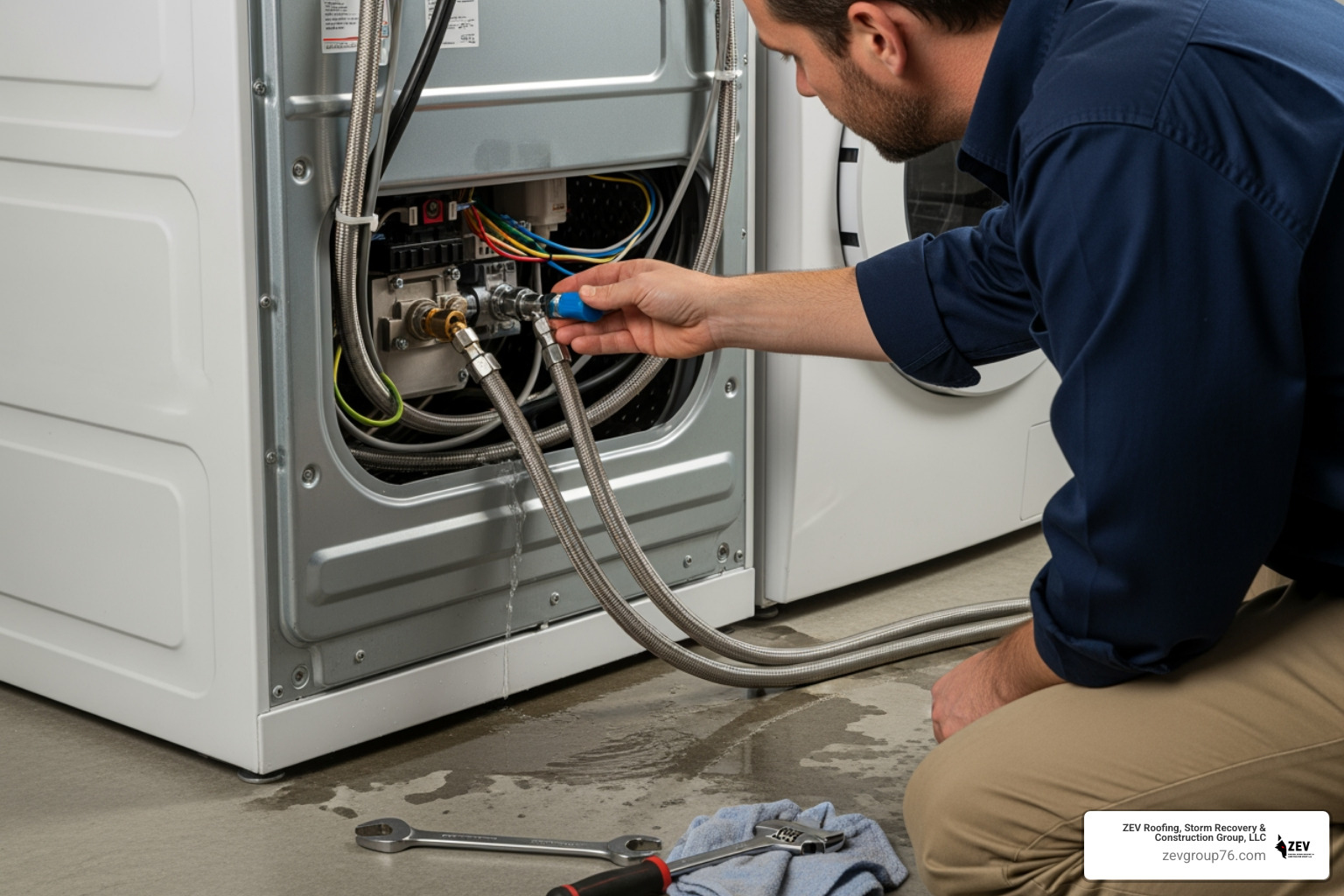
- Washing Machine Hoses: These are notorious for bursting. We advise replacing rubber hoses with braided stainless steel flexible hoses every five to seven years, or sooner if they show any signs of wear. Never leave your home with the washing machine running.
- Water Heater Inspection: Inspect your water heater tank every six months for leaks, rust, or corrosion. Flush the tank twice a year to remove sediment buildup, which can prolong its life and efficiency. Water heater tanks can hold 40-100 gallons, so a failure can release a lot of water quickly. Consider replacing units every 7-10 years, as the risk of failure increases with age.
- Refrigerator Lines: The water supply line to your ice maker and water dispenser can loosen or crack. Inspect it every six months and consider upgrading to a stainless steel hose. Also, clean and check the drain pan every few months and ensure the defrost drain isn’t clogged.
- Toilet Flappers and Supply Lines: A constantly running toilet wastes water (a leaky faucet that drips once per second can waste more than 3,000 gallons in a year!) and indicates a faulty flapper or fill valve. Replace these parts promptly. Inspect the supply line to the toilet for wear and tear, replacing it every five to seven years.
- Faucet Drips: Don’t ignore dripping faucets. While seemingly minor, a leaky faucet can waste thousands of gallons annually. Repairing them saves water and prevents potential damage to your sink or countertop.
Fortifying Your Building’s Exterior Envelope
The exterior of your home, often called the “building envelope,” is its primary defense against the elements. Especially in the varied and sometimes harsh climate of Texas and New Mexico, maintaining this barrier is critical for water damage prevention. From scorching summers to unexpected winter freezes and intense storm seasons, our homes need to be ready for anything. More info about preventing all types of leaks.
Roof, Attic, and Chimney Inspections
Your roof is your home’s first line of defense. As roofing and storm recovery specialists, we can’t stress enough the importance of regular roof inspections.
- Missing or Damaged Shingles: High winds and hail, common in our region, can easily damage or dislodge shingles. Missing or cracked shingles create direct entry points for water.
- Flashing Integrity: Flashing—the thin metal strips around chimneys, vents, skylights, and valleys—is designed to prevent water intrusion. If it’s bent, rusted, or poorly sealed, water will find its way in. This is especially true for chimneys, which create a direct opening from the roof into the home.
- Attic Moisture Signs: Periodically check your attic for signs of moisture, such as water stains on the wood, damp insulation, or a musty smell. These are indicators of a roof leak or poor ventilation.
- Professional Roof Inspection: We recommend a professional roof inspection at least once a year, and especially after any significant storm. Our team can identify potential issues before they become costly leaks. If you have skylights, understanding Skylight Leak Repair is also important.
Gutter and Downspout Maintenance
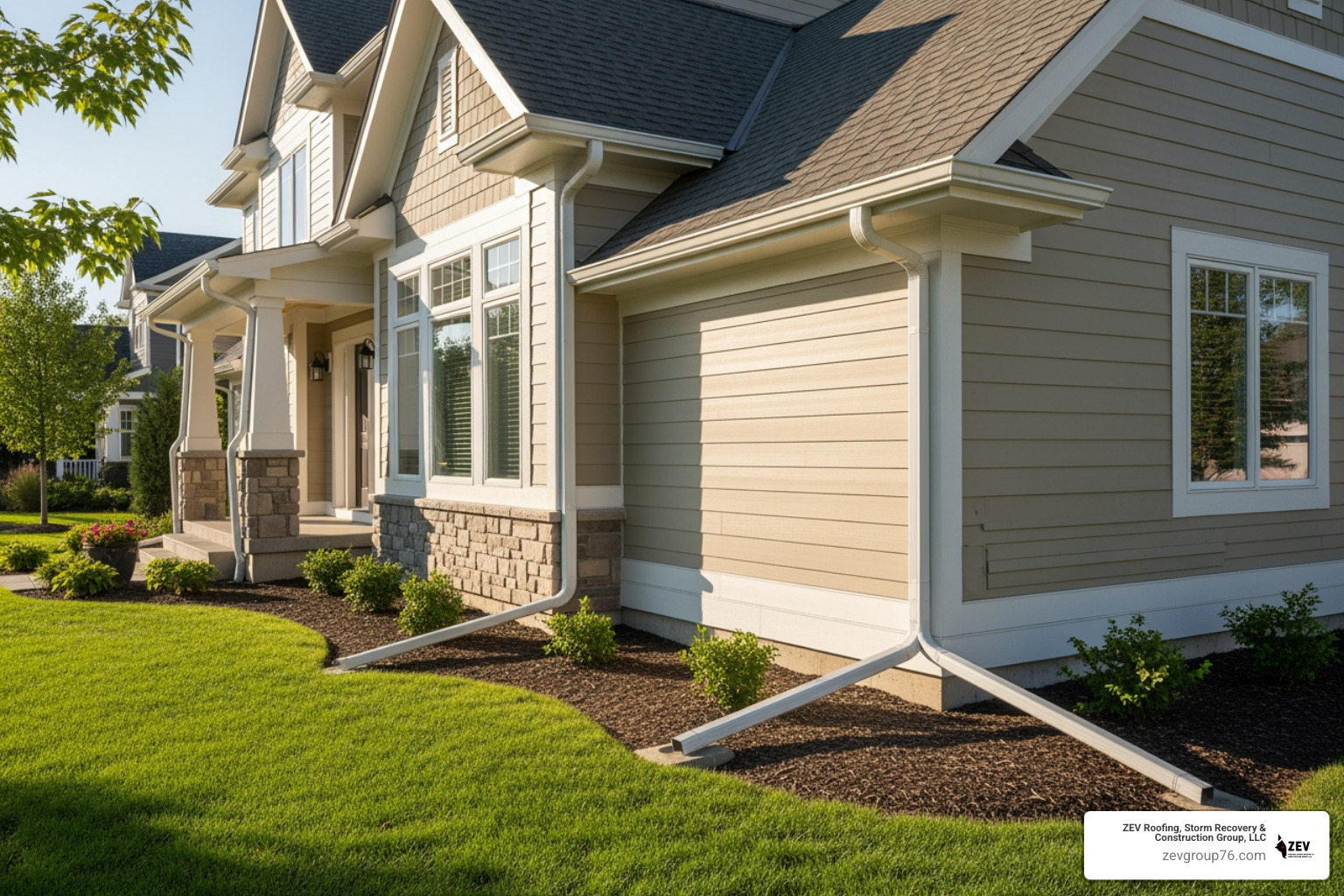
Gutters and downspouts play a vital role in directing rainwater away from your home’s foundation. If they fail, water can pool around your house, leading to foundation damage, basement leaks, and even damage to your roof.
- Regular Cleaning: Clean your gutters twice a year, or more frequently if you have many trees nearby. Clogged gutters are a primary cause of water overflow and seepage.
- Gutter Guards: Consider installing gutter guards to minimize debris buildup and reduce the frequency of cleaning. This is particularly helpful in areas with heavy leaf fall.
- Proper Downspout Placement: Ensure your downspouts extend at least five to ten feet away from your foundation, directing water to an area where it can drain away from your home. If they’re too short, water will simply dump right next to your foundation.
- Ice Dam Prevention: While less common in most of Texas and New Mexico than in colder climates, severe winter freezes can lead to ice dams. These occur when snow on the roof melts and refreezes at the eaves, creating a barrier that prevents water from draining. The trapped water can then back up under shingles and into your home. Proper attic ventilation and insulation can help prevent this.
Foundation, Yard, and Window Sealing
Water doesn’t just come from above; it can also enter from the ground up or through exterior openings.
- Yard Grading: Ensure your yard slopes away from your home’s foundation. A minimum of a 5-10% slope for at least 10 feet away will help prevent water from pooling against your house and seeping into your basement or crawl space. If your yard is too flat, consider regrading your yard or installing French drains (drain tile) to effectively move water away.
- Sealing Foundation Cracks: Regularly inspect your foundation for cracks. Even hairline cracks can allow water intrusion. These should be sealed promptly by a professional to prevent further damage.
- Caulking Windows and Doors: Over time, caulk and seals around windows and doors can dry out, crack, and pull away, creating gaps for water to enter. Inspect these areas annually and reapply fresh caulk as needed. This simple step is crucial for overall Prevent Mold Growth as well.
Advanced & Seasonal Water Damage Prevention
Beyond routine maintenance, embracing smart technology and understanding seasonal risks can significantly improve your water damage prevention strategy.
Leveraging Smart Home Technology for water damage prevention
Technology has come a long way in helping us detect and prevent water damage before it becomes a disaster.
- Smart Leak Detectors: These small, battery-powered sensors are placed in high-risk areas—under sinks, behind toilets, near water heaters, and in basements. When they detect moisture, they send an alert to your smartphone, often before any visible signs appear.
- Automatic Shut-Off Valves: Some advanced systems integrate with your main water line. If a leak is detected, the system automatically shuts off your home’s water supply, preventing further damage. This is like a “circuit breaker” for your water.
- Flow Monitors: These devices monitor your home’s water usage patterns. If they detect unusually high flow rates (like a burst pipe) or continuous low flow (like a running toilet or small leak) when no one is home, they can alert you or even automatically shut off the water.
- Smartphone Alerts: The beauty of smart technology is the ability to receive real-time alerts on your phone, no matter where you are. This allows for quick intervention, minimizing damage. Learn more about how to Detect Water Leaking with these systems.
Essential Seasonal Precautions for water damage prevention
Living in Texas and New Mexico means preparing for a range of weather conditions, each with its own water damage risks.
- Winter Preparations: While our winters aren’t as harsh as some northern states, we still experience freezing temperatures that can burst pipes.
- Insulating Pipes: Insulate exposed pipes in unheated areas like attics, crawl spaces, and garages. Foam pipe insulation is readily available and easy to install.
- Dripping Faucets: During extreme cold snaps, letting indoor and outdoor faucets drip slightly can relieve pressure in the pipes and prevent freezing.
- Draining Exterior Lines: Shut off and drain water from exterior faucets and irrigation systems before the first hard freeze to prevent pipes from bursting.
- Thermostat Settings: If you’re going away during winter, keep your thermostat set to at least 55°F to maintain warmth in wall cavities and prevent pipes from freezing.
- Storm Season Readiness: Our region is no stranger to intense thunderstorms, hail, and heavy rains.
- Pre-Storm Inspections: Before storm season, conduct a thorough inspection of your roof, gutters, and yard drainage. Clear any debris, ensure downspouts are properly positioned, and trim any tree limbs that could fall on your roof.
- Securing Property: During a storm warning, secure loose outdoor items, bring patio furniture inside, and ensure windows and doors are tightly closed.
- Emergency Supplies: Have emergency supplies on hand, including tarps, sandbags, and a flashlight.
- Flooding Preparedness: If your area is prone to flash floods, know your flood risk by checking the Flood Map Service Center. For comprehensive guidance, refer to How to Prepare for a Flood and Minimize Losses.
Frequently Asked Questions about Water Damage Prevention
We often get asked about various aspects of water damage, from insurance coverage to immediate actions. Here are some of the most common questions:
How does homeowners insurance typically cover water damage?
Homeowners insurance can be a complex topic, especially when it comes to water damage. Generally, standard policies in Texas and New Mexico cover sudden and accidental water damage that originates inside your home. This includes:
- Burst Pipes: Damage from a sudden burst pipe or a leaking appliance (like a washing machine hose or water heater) is usually covered.
- Wind-Driven Rain: If a storm damages your roof or windows, allowing rain to enter and cause damage, this is typically covered.
However, there are significant exclusions:
- Floods: Damage from external flooding (like an overflowing river or flash flood) is almost never covered by a standard homeowners policy. For this, you need a separate flood insurance policy, often purchased through the federal government’s National Flood Insurance Program (NFIP) or from some private insurers.
- Gradual Leaks: Damage from slow, continuous leaks that could have been prevented with regular maintenance (e.g., a long-term dripping faucet, a slow leak under a sink that causes rot over months) is often not covered because it’s considered preventable neglect.
- Neglect: If the damage is a result of your failure to maintain your home (e.g., ignoring a known leak, not repairing a damaged roof), it may not be covered.
- Sewer Backups: Damage from sewer or drain backups is typically excluded but can often be added as an optional “water backup” endorsement or rider to your policy.
- Service Line Coverage: This optional coverage protects against damage to your underground utility lines (water, sewer, electrical) that run from the street to your house.
We always recommend reviewing your policy with your local independent agent to understand your specific coverage and consider additional options like water backup or flood insurance, especially if you live in a flood-prone area.
What should I do immediately if I find a water leak?
Time is of the essence when a water leak occurs. Immediate action can significantly minimize damage:
- Stop the Water Source: Your absolute first priority is to stop the flow of water. If it’s a specific fixture or appliance, use its individual shut-off valve. If you can’t find it or the leak is widespread, head straight for your main water shut-off valve and turn it off.
- Turn Off Electricity (If Safe): If water is near electrical outlets, appliances, or pooling on the floor, turn off the power to the affected area at your circuit breaker. Water and electricity are a dangerous combination.
- Document Damage with Photos/Videos: Before you touch anything, grab your phone and take plenty of photos and videos. This documentation is crucial for your insurance claim.
- Remove Valuables: Move any furniture, rugs, electronics, and other valuables out of the affected area if it’s safe to do so.
- Call a Professional for Assessment: Once the water flow is stopped, contact a professional water damage restoration service immediately. They have the expertise and equipment to properly assess the damage, extract water, and begin the drying process. For more detailed steps, visit our guide on Water Leaks.
Is professional water damage restoration worth it compared to DIY cleanup?
When facing water damage, many homeowners consider a DIY approach to save money. However, in most cases, professional water damage restoration services offer significant benefits over DIY cleanup:
- Thorough Drying and Specialized Equipment: Professionals use industrial-grade dehumidifiers, air movers, and moisture meters to ensure all moisture, including hidden moisture within walls and subfloors, is thoroughly removed. DIY methods often miss this hidden moisture, leading to long-term problems.
- Mold Prevention: Hidden moisture is a breeding ground for mold. Professionals not only dry the area but also apply antimicrobial treatments to prevent mold growth, which can start within 24-48 hours. Preventing mold is key to protecting your home and your family’s health.
- Structural Damage Assessment: Water can compromise the structural integrity of your home. Professionals can identify potential structural issues that might not be obvious to an untrained eye.
- Insurance Claim Assistance: Reputable restoration companies often have experience working with insurance providers. They can help document the damage, provide detailed estimates, and streamline the claims process, saving you time and stress.
- Health and Safety: Depending on the water source, water damage can pose health risks (e.g., contaminated water). Professionals are equipped with personal protective equipment and follow safety protocols to handle hazardous materials.
While DIY might seem cheaper upfront, the risks of hidden moisture, missed structural issues, and subsequent mold growth can lead to far more expensive repairs down the line. For significant water damage, professional help is necessary to ensure a complete and safe recovery.
Protect Your Investment with Proactive Prevention
Water damage prevention is not just about reacting to a crisis; it’s about building resilience into your home or commercial property. By implementing a few key strategies—routine maintenance, regular inspections, and leveraging smart technology—you can dramatically reduce your risk of costly and emotionally draining water-related incidents.
We’re not just builders; we’re your neighbors in Texas and New Mexico. We understand the unique challenges our local climate presents, from sudden freezes to intense storm seasons. Our commitment at ZEV Roofing & Construction is to provide expert craftsmanship and durable solutions that protect your investment.
Taking proactive steps now ensures peace of mind, significant cost savings in the long run, and preserves the value and safety of your property. Don’t wait for a drip to turn into a deluge.
Take the next step in safeguarding your property with our expert Leak Prevention services. We’re here to help you keep your home dry and secure.