
Why Storm Water Damage Repair Requires Immediate Action
Storm water damage repair is the process of restoring a property after water intrusion from severe weather events, including flooding, roof leaks, and structural saturation. When storms strike, property owners face a critical window of 24 to 48 hours before secondary damage like mold growth begins. Quick action is essential to prevent permanent structural damage, health hazards, and escalating repair costs.
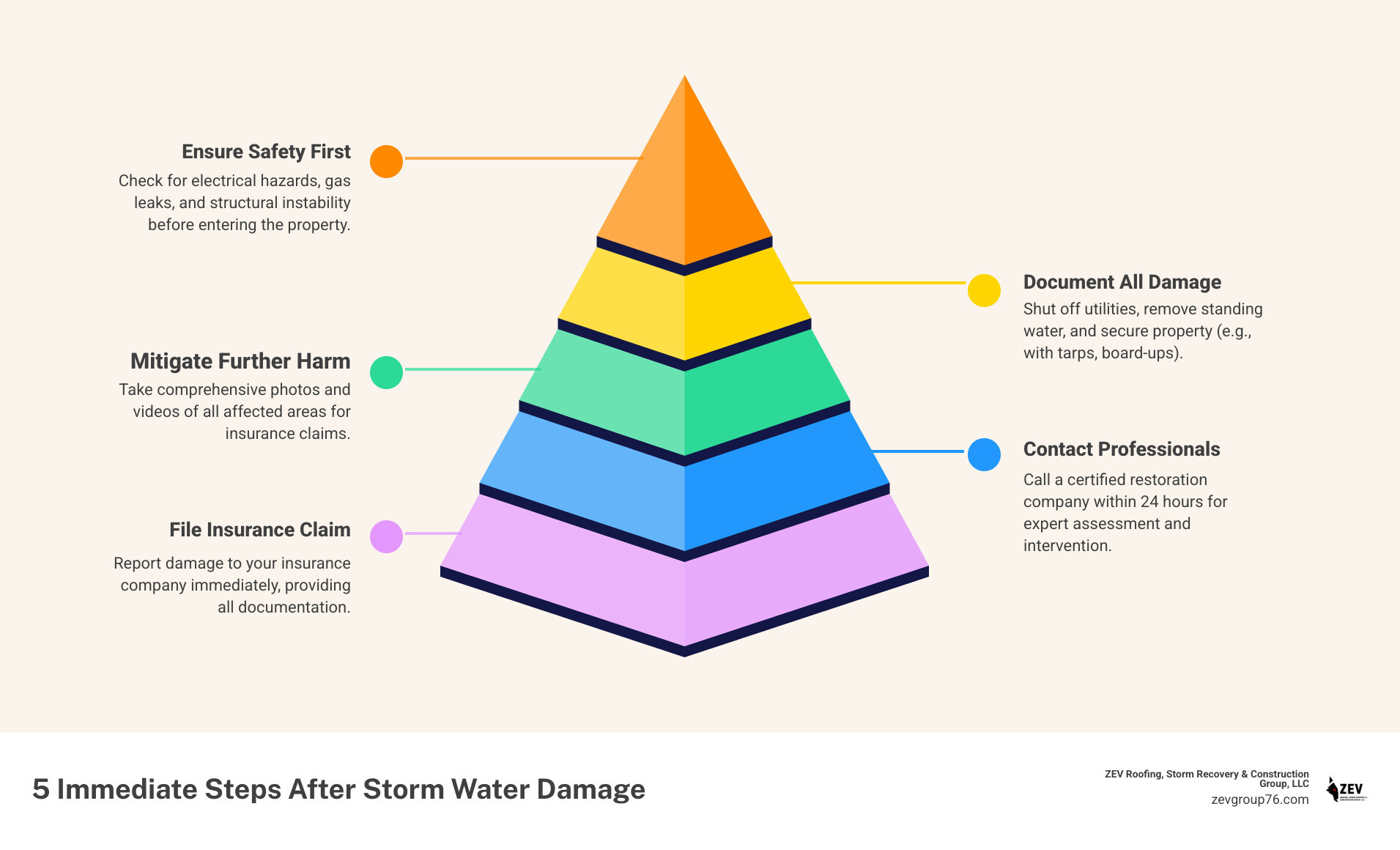
Immediate steps after storm water damage:
- Ensure safety – Check for electrical hazards, gas leaks, and structural instability before entering
- Document everything – Take photos and videos of all damage for insurance claims
- Stop further damage – Shut off utilities, remove standing water, and secure the property with tarps or board-ups
- Contact professionals – Call a certified restoration company within 24 hours
- File your claim – Report damage to your insurance company immediately
The damage from storms extends far beyond what you can see on the surface. Water seeps into wall cavities, insulation, and subflooring, creating hidden pockets of moisture that weaken your home’s structure and create perfect conditions for mold. Without proper restoration following industry standards like the IICRC S500, you risk long-term health issues, decreased property value, and repair costs that multiply over time.
As Eli Hita, I’ve spent over 15 years working with structural systems in challenging environments, including storm recovery and roofing projects across West Texas where hail, wind, and unpredictable weather demand resilient solutions. This experience has taught me that successful storm water damage repair requires not just quick action, but a methodical approach that addresses both visible and hidden damage. The guide below walks you through the entire process, from those critical first moments after the storm to long-term prevention strategies that protect your property against future weather events.
First Steps After the Storm: Safety and Initial Assessment
When a storm hits in West Texas or Eastern New Mexico, the aftermath can be disorienting. Your first priority, before thinking about storm water damage repair, is always safety. Assess potential dangers before entering a damaged property.
Look for downed power lines, which pose severe electrocution risks. Keep a safe distance and contact your utility company immediately. Structural integrity is another major concern; sagging ceilings or cracked walls can indicate an unsafe building. Gas leaks, identified by a rotten egg smell, demand immediate evacuation and a call to emergency services. Never re-enter a property if you suspect a gas leak.
Once safety is assured, documenting the damage is paramount for your insurance claim. Take extensive photos and videos of everything–every leaky ceiling, wet wall, and damaged personal item. Capture wide shots and close-ups of specific damage, as this visual evidence will be invaluable.
Common types of storm damage that require professional storm water damage repair include:
- Roof Damage: High winds can rip off shingles, hail can create cracks, and falling debris can puncture the roof, leading to immediate water intrusion. We see this often in areas like Lubbock and Plainview.
- Flooding: Heavy rainfall can lead to localized flooding, overflowing rivers, or hydrostatic pressure forcing water into basements. Floods are the most common type of natural disaster in the United States.
- Foundation Issues: Saturated soil around your home can exert immense pressure on the foundation, leading to cracks and leaks, especially with inadequate drainage.
For comprehensive guidance, the Flooded Homes Cleanup Guidance | US EPA offers valuable insights into safety and cleanup procedures.
Immediate Actions for Homeowners
After ensuring your family’s safety, take these critical steps to prevent further damage while waiting for professional help. These initial mitigation actions can significantly reduce the overall cost and scope of your storm water damage repair.
- Shutting Off Utilities: If there’s standing water or suspected electrical damage, turn off your home’s main power supply. If you have burst pipes or significant plumbing leaks, shut off your main water valve.
- Removing Excess Water: Use mops, buckets, or a wet-dry vacuum to remove as much standing water as possible. Never use a household vacuum for water removal due to electrocution risk. For basements, FEMA recommends a cautious approach: pump out 1 foot of water, wait 24 hours, then another foot. If the water level is stable, you can increase to 2-3 feet per 24 hours to avoid structural damage from pressure changes.
- Protecting Furniture: Prop up wet upholstery cushions for even drying. Place aluminum foil or wood blocks under furniture legs to create a barrier with wet carpets, preventing stains and moisture absorption.
- Moving Valuables: Move paintings, art, computers, and other sensitive valuables to a dry, safe location. Hang furs and leather goods separately at room temperature.
- Securing the Property: If your roof is damaged, use temporary tarps to prevent more water from entering. For broken windows, temporary board-up services can protect your property from further weather exposure and unauthorized entry. We often provide Emergency Roof Repair Methods for Storm Damage to help secure your home quickly.
Identifying Health and Safety Hazards
Beyond structural dangers, storm water can introduce hidden health and safety hazards.
- Contaminated Water: The type of water dictates the health risk. Floodwater from overflowing rivers or sewage backups is often “black water” (Category 3). This water is highly contaminated with bacteria and viruses, posing serious health risks.
- Mold and Bacteria: Mold is an insidious threat that can develop within 24 to 48 hours of water exposure. Hidden moisture behind walls or under flooring can quickly become a breeding ground for mold, leading to respiratory issues and allergies. The Centers for Disease Control and Prevention (CDC) provides excellent guidance on mold, and we recommend consulting resources like A Brief Guide to Mold in the Workplace for detailed information.
- Pests: Standing water and damp conditions attract pests, including rodents and insects, which can seek shelter in your damaged home.
- Asbestos and Lead Paint Risks: In older homes, flood damage can disturb materials containing asbestos or lead-based paint, releasing harmful particles. This is a significant concern during cleanup and requires professional handling.
- Slip-and-Fall Hazards: Wet and debris-strewn floors create a high risk of slips and falls. Always wear appropriate personal protective equipment (PPE), including sturdy, slip-resistant boots, gloves, and masks.
Understanding these hazards underscores why professional storm water damage repair is essential for your safety and long-term well-being.
Understanding the Professional Storm Water Damage Repair Process
Once the immediate hazards are managed and your property is secured, the real work of professional storm water damage repair begins. This isn’t just about drying out a space; it’s a comprehensive, methodical process guided by scientific principles and industry standards.

At ZEV Roofing & Construction, we adhere to the IICRC S500 Standard, which outlines the industry-approved procedures for water damage restoration. This standard ensures that every step is conducted safely and effectively. This “science of drying” involves evaluating the structure, identifying water contamination categories, measuring moisture, designing drying plans using psychrometrics (the study of moist air), and controlling factors like airflow, humidity, and temperature. We employ a two-phase approach: water mitigation and water restoration.
Water Mitigation vs. Water Restoration
These two terms are often used interchangeably, but they are distinct phases of the storm water damage repair process. Understanding the difference is crucial.
| Feature | Water Mitigation | Water Restoration |
|---|---|---|
| Primary Goal | Preventing further damage and minimizing loss. | Repairing and rebuilding the property to its pre-loss condition. |
| Timing | Immediate, emergency response. | Follows mitigation; begins once the property is dry and stabilized. |
| Key Activities | Water extraction, debris removal, structural drying, dehumidification, anti-microbial application, board-ups. | Reconstructing damaged areas, replacing flooring, drywall, insulation, painting, final cleaning. |
| Focus | Containment, drying, and preventing secondary damage (like mold growth). | Repairing, rebuilding, and returning the property to its original state. |
| Urgency | High urgency; rapid response is critical to save salvageable materials and prevent escalating damage. | Less immediate than mitigation, but still time-sensitive to complete repairs and prevent long-term issues. |
| Example | Pumping out standing water, setting up industrial dehumidifiers, removing wet drywall to prevent mold. | Replacing the removed drywall, installing new flooring, repainting the affected room. |
Think of it this way: water mitigation is like stopping the bleeding and stabilizing a patient. Water restoration is the surgery and rehabilitation for a full recovery. Mitigation always comes first because you can’t effectively restore a property if it’s still actively being damaged or is wet.
Identifying Water Categories and Classes
Not all water damage is created equal. The source and contamination level of the water dictate the health risks and the necessary storm water damage repair protocols. Professionals classify water into three categories:
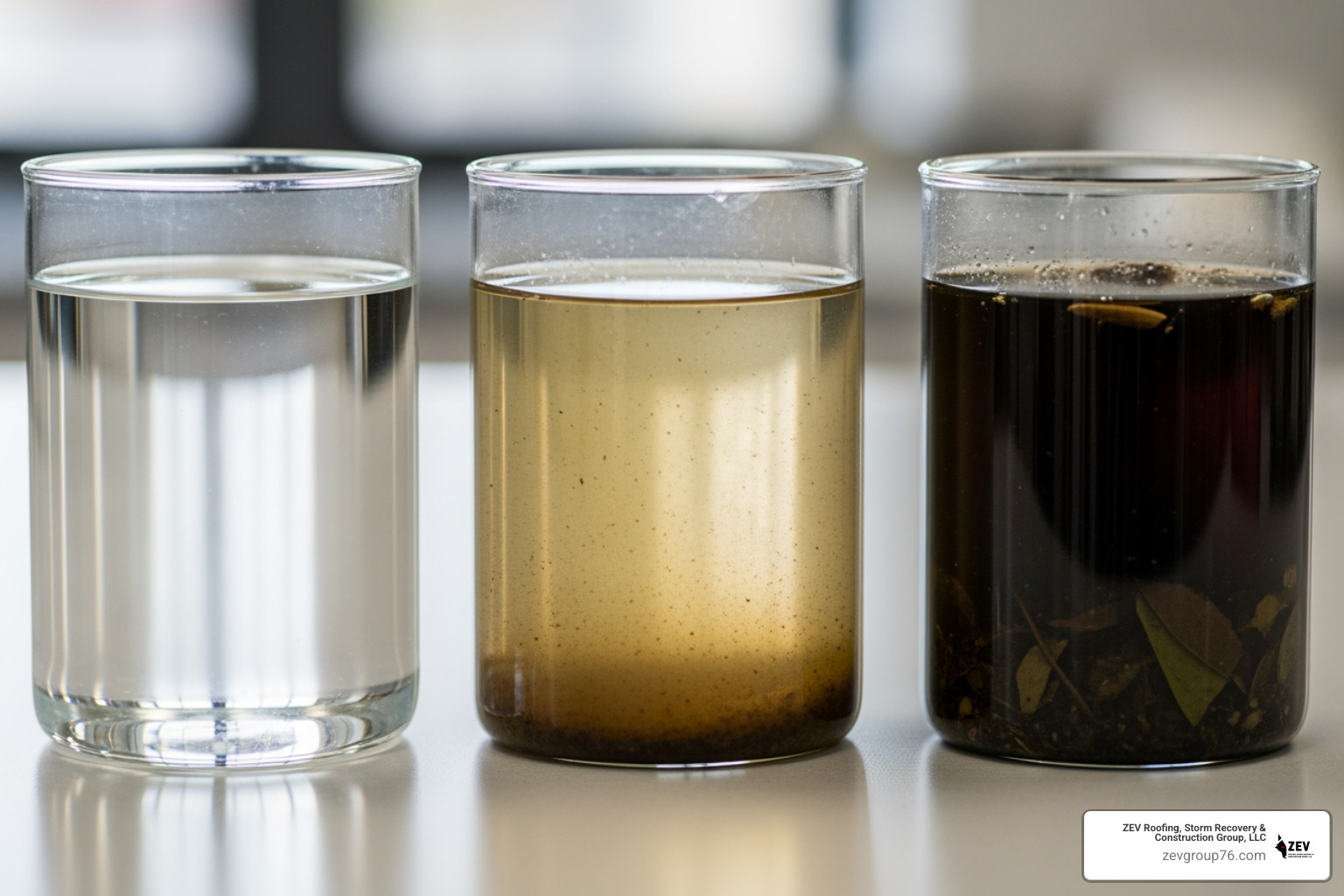
- Category 1: Clean Water: This originates from a sanitary source, such as a burst pipe, overflowing sink, or rainwater. While it poses no immediate health threat, it can quickly degrade into Category 2 or 3 if not addressed promptly, as it can pick up contaminants from building materials.
- Category 2: Gray Water: This water contains a significant level of chemical, biological, or physical contaminants. Sources include overflowing washing machines or dishwashers, or sump pump failures, and can cause illness if ingested.
- Category 3: Black Water: This is grossly contaminated and contains pathogenic agents, making it extremely unsanitary. Sources include sewage backups, floodwater from rivers or oceans, or any water that has stood for an extended period. Black water poses a severe health risk and requires strict safety protocols, often necessitating the removal of all porous materials it has touched.
Beyond categories, there are also four classes of water damage, which describe the amount of water and the rate of evaporation:
- Class 1: Minimal water absorption, affecting only a small area.
- Class 2: Affects an entire room, with moisture wicked up walls less than 24 inches.
- Class 3: Affects an entire room, with moisture wicked up walls more than 24 inches, and water from overhead.
- Class 4: Specialty drying situations, where materials like wood, brick, or stone are deeply saturated and require specialized drying techniques.
These classifications help us determine the appropriate equipment, safety measures, and drying strategies for effective storm water damage repair.
Key Steps in Professional Storm Water Damage Repair
When ZEV Roofing & Construction tackles storm water damage repair in West Texas and Eastern New Mexico, we follow a meticulous process to ensure your property is thoroughly dried, cleaned, and restored. The process typically includes:
- Damage Assessment and Inspection: We begin with a comprehensive inspection, using advanced diagnostic tools like moisture meters, hygrometers, and infrared cameras to detect hidden moisture in walls, ceilings, and subflooring. This helps us create a detailed “moisture map” and develop a precise restoration plan.
- Water Extraction: Our team uses industrial-grade pumps and powerful extraction vacuums to remove standing water quickly. Rapid water removal is crucial to prevent further saturation and inhibit mold growth.
- Drying and Dehumidification: This is where the science of drying truly comes into play. We deploy high-velocity air movers to promote evaporation and commercial dehumidifiers to remove moisture from the air and building materials. We continuously monitor material moisture content, relative humidity, and temperature to ensure optimal drying conditions.
- Cleaning and Sanitizing: Depending on the water category, affected areas are cleaned, disinfected, and deodorized. For gray or black water, we use EPA-registered antimicrobial products to eliminate contaminants. Odor removal is addressed with equipment like air scrubbers.
- Restoration and Rebuilding: Once the property is thoroughly dry and sanitized, we move to the restoration phase. This can involve minor repairs like replacing damaged drywall, insulation, or trim, or more extensive reconstruction like flooring replacement or structural rebuilding. Our goal is to return your home to its pre-loss condition.
For more detailed information on our services, visit our Storm Damage Restoration Service page.
Navigating Insurance and Deciding on Professional Help
Dealing with the aftermath of storm damage is stressful enough without the added headache of insurance claims and deciding who to trust with your storm water damage repair. We’re here to help you steer both.
The average cost of water damage restoration is around $3,300, though it can range from $1,361 to $6,270 depending on the severity and type of damage. This is why proper documentation and understanding your insurance policy are so important.
Standard homeowners insurance generally covers sudden and accidental damage from things like burst pipes, wind-driven rain, or hail. However, flooding from natural disasters—like an overflowing river or storm surge—is typically not covered by a standard homeowners policy. For that, you will need separate flood insurance, which you can often obtain through The National Flood Insurance Program. Always review your specific policy or speak with your agent to understand your coverage.
Filing Your Storm Damage Insurance Claim
Filing an insurance claim can feel like a daunting task, but with the right approach, it doesn’t have to be.
- Contact Your Insurer Immediately: As soon as it’s safe, notify your insurance company about the damage. The sooner you report it, the faster the process can begin.
- Provide Documentation: This is where all those photos and videos come in handy! Submit them along with a detailed inventory of damaged items. Be thorough and specific.
- The Role of a Restoration Contractor: As your chosen storm water damage repair experts, we can play a significant role in this process. We provide detailed estimates, scope of work, and documentation that align with industry standards, helping to streamline communication with your insurance adjuster. We understand the nuances of insurance claims and can assist in making sure all damages are properly identified and accounted for. For more guidance, check out My Step-by-Step Guide to Filing Roof Repair Insurance Claims.
While we work closely with insurance companies, you, the homeowner, are ultimately responsible for all charges once you sign the work authorization. Your deductible will also typically need to be paid in advance.
DIY Cleanup vs. Professional Storm Water Damage Repair
It’s natural to want to save money and tackle cleanup yourself, but when it comes to storm water damage repair, knowing when to call in the professionals is critical.
- Scope of Damage: For very minor issues, like a small, clean water spill quickly cleaned up, DIY might be sufficient. However, anything beyond Class 1 water damage or involving gray/black water usually warrants professional intervention.
- Safety Concerns: As discussed, contaminated water (Category 2 or 3) poses significant health risks. Structural damage is also a major safety hazard. Professionals have the training and PPE to handle these situations safely.
- Equipment Needs: Household fans and dehumidifiers are no match for the industrial-grade equipment needed to thoroughly dry out a property and prevent hidden moisture pockets. Professionals use specialized tools for effective water extraction, drying, and moisture monitoring.
- When to Call a Professional: We strongly recommend calling a professional for storm water damage repair if:
- The water is Category 2 or 3 (gray or black water).
- The water has been present for more than 24-48 hours, increasing mold risk.
- There’s significant structural damage.
- The affected area is large or involves multiple rooms.
- You suspect hidden moisture behind walls or under floors.
- You’re dealing with electrical hazards.
- Risks of Improper Cleanup: A botched repair can actually cost you more money in the long run. Incomplete drying can lead to rampant mold growth, persistent odors, and long-term structural integrity issues. These secondary damages may not be covered by insurance if proper mitigation wasn’t performed. As the CDC advises, cleaning up after a flood may be too difficult or dangerous for you to do alone. For a deeper dive into choosing the right experts, our Ultimate Storm Damage Contractor Guide can help.
Long-Term Consequences and Future Prevention
Ignoring or improperly addressing storm water damage repair can lead to a cascade of long-term problems that are far more costly and challenging to fix.
- Structural Rot: Prolonged moisture exposure can lead to wood rot in framing, subflooring, and other structural components, compromising your home’s integrity.
- Foundation Damage: Saturated soil around the foundation can cause hydrostatic pressure, leading to cracks, leaks, and even shifting. This can be a major issue in areas with expansive clay soils like parts of West Texas.
- Decreased Property Value: Unaddressed water damage, mold, and structural issues will significantly diminish your home’s market value.
- Persistent Odors: Musty, mildewy smells often linger long after visible water is gone, indicating hidden mold or bacterial growth.
- Health Issues from Mold: Chronic exposure to mold can trigger allergies, asthma attacks, respiratory problems, and other health complications for occupants.
The Dangers of Unaddressed Damage and Mold Growth
The most prevalent and concerning long-term consequence of unaddressed storm water damage is mold growth. As we’ve mentioned, mold and mildew can develop within 24 to 48 hours of water exposure. This means that even a seemingly minor leak, if left to fester, can become a significant problem.
Signs of mold development include:
- Musty Odors: A persistent, earthy, or musty smell is often the first indicator of hidden mold, even if you can’t see it.
- Visible Growth: Mold can appear as fuzzy, discolored patches (green, black, white, or brown) on walls, ceilings, floors, and personal belongings.
- Health Symptoms: Unexplained allergies, respiratory issues, headaches, or skin irritation can be signs of mold exposure.
Mold remediation requires professional expertise for significant infestations. It’s not just about cleaning the visible spots; it’s about identifying and eliminating the moisture source, containing the spores, and ensuring the air quality is safe. We often help homeowners identify these issues, including common signs of damage that might lead to mold, as detailed in My Guide to Common Signs of Storm Damage on My Roof.
How to Prevent Future Storm Water Damage
While we can’t control the weather, we can certainly take proactive steps to minimize the risk and severity of future storm water damage.
- Regular Roof Inspections: Your roof is your home’s first line of defense. Regular inspections, especially after severe weather, can catch minor issues before they become major leaks. Our team at ZEV Roofing & Construction specializes in identifying and addressing these vulnerabilities. Learning How I Determine if My Roof Needs Repair After a Storm can empower you to stay ahead of damage.
- Gutter Maintenance: Keep gutters and downspouts clear of leaves and debris. Clogged gutters can cause water to overflow and pool around your foundation or seep into your roofline.
- Proper Property Grading: Ensure the ground around your home slopes away from the foundation, directing rainwater away from your property.
- Sump Pump Installation: If you have a basement or crawl space, a properly functioning sump pump with a battery backup can be a lifesaver during heavy rains, preventing water accumulation.
- Storm Drain Maintenance: For properties with private storm drains or French drains, ensure they are clear of blockages from debris or tree roots to allow for proper water runoff.
- Sealing Foundation Cracks: Regularly inspect your foundation for cracks and seal them promptly to prevent water intrusion.
Frequently Asked Questions about Storm Water Damage
We understand you likely have many questions when facing storm water damage repair. Here are some of the most common ones we encounter:
How long does storm water damage restoration take?
The timeline for storm water damage repair varies significantly based on several factors:
- Severity of Damage: Minor damage (Class 1, Category 1) might only require 1-3 days for drying, plus time for any small repairs.
- Water Category: Black water (Category 3) damage typically takes longer due to extensive cleaning, sanitization, and often the need to remove and replace more materials.
- Extent of Repairs: If the damage requires structural rebuilding, new flooring, or extensive drywall replacement, the entire process could take weeks to months.
Our goal is always to work efficiently and thoroughly to get your property back to normal as quickly as possible.
What is the difference between water mitigation and water restoration?
As discussed, water mitigation is the immediate process of preventing further damage and stabilizing the property after water intrusion. This includes actions like water extraction, structural drying, and debris removal. Water restoration, on the other hand, is the subsequent phase of repairing and rebuilding the damage, such as replacing drywall, flooring, or other structural components. Mitigation always comes first to ensure the property is dry and safe before restoration can begin.
How are personal belongings handled after storm damage?
When personal belongings are affected by storm water, our team carefully assesses each item for salvageability. We understand the sentimental and monetary value of your possessions.
- Assessment of Salvageability: Items exposed to clean water (Category 1) have a higher chance of restoration. Items exposed to gray or black water (Category 2 or 3) may need to be discarded, especially porous materials, due to contamination risks.
- Specialized Cleaning Techniques: For salvageable items, we use various techniques, including immersion cleaning, dry cleaning, wet cleaning, abrasive cleaning, spray and wipe, and foam cleaning. We also have specialized methods for restoring electronics, photographs, and important documents.
- When to Discard Items: Any porous items (carpets, upholstered furniture, mattresses) that have been soaked by Category 2 or 3 water for more than 48 hours are typically unsalvageable and should be discarded to prevent health hazards and persistent odors.
We can also help inventory, pack out, and temporarily store your belongings during the repair process, ensuring they are protected.
Your Partner in Storm Recovery
When a storm impacts your home or business in West Texas or Eastern New Mexico, acting fast is critical. Safety is paramount, and professional expertise ensures a complete and lasting recovery. At ZEV Roofing, Storm Recovery & Construction Group, we are dedicated to providing expert craftsmanship, durable solutions, and a customer-focused approach to every storm water damage repair project.
From the initial assessment and emergency mitigation to comprehensive restoration and rebuilding, we handle the entire process with precision and care. We serve communities across Lubbock TX, Shallowater TX, Plainview TX, New Deal TX, Wolfforth TX, Slaton TX, and throughout West Texas and Eastern New Mexico. Our team is equipped with the knowledge, experience, and advanced equipment to tackle any size disaster, helping you steer the complexities of damage repair and insurance claims.
Don’t let storm water damage compromise your property or your peace of mind. Contact us for expert storm damage repair today, and let us help you restore your property “Like it never even happened.”