
Why Storm Damage Repair Is Critical for Your Property’s Safety
Storm damage repair is essential after severe weather strikes. Whether you’re dealing with hail, wind, or water intrusion, quick action can prevent minor issues from becoming major reconstruction projects.
Key Storm Damage Repair Services:
- Emergency tarping and board-up to prevent further damage.
- Water extraction and drying to stop mold and structural decay.
- Roof repair and replacement to restore your primary protection.
- Insurance claim assistance to help maximize your coverage.
- Structural repairs to ensure your property remains safe.
As one homeowner found, their home went “from a safe haven to a disaster area overnight.” This reality affects thousands in Texas and New Mexico, where storms cause extensive damage in minutes.
The urgency is critical. Mold can grow within 24 hours of water damage, and minor roof damage can escalate into major structural problems. With restoration costs ranging from $450 to $15,000, a clear plan is vital.
This guide covers everything you need to know about storm damage repair, from immediate steps to choosing a contractor and working with insurance. We’ll help you steer this process and restore your property correctly.
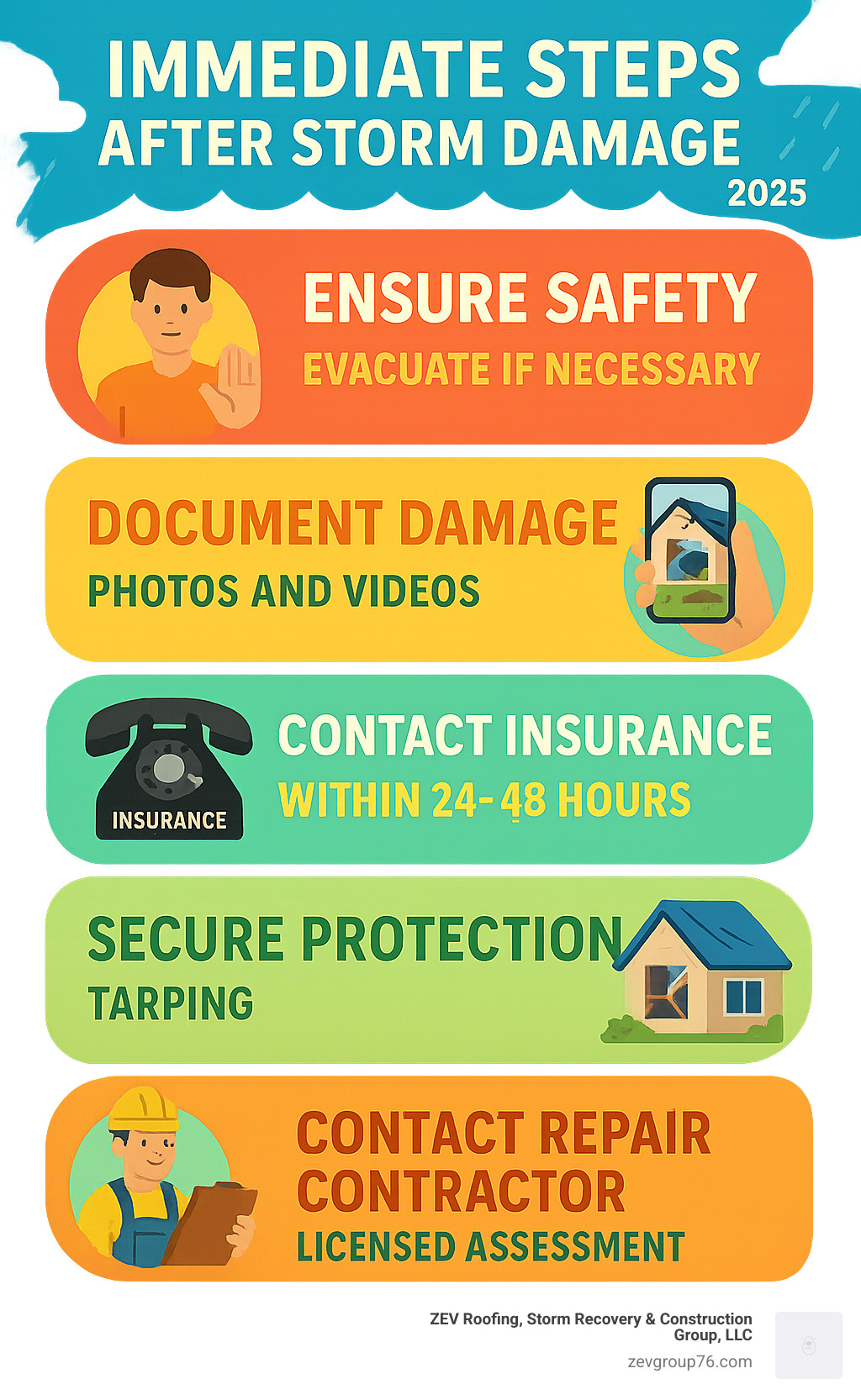
First Steps: What to Do Immediately After a Storm
The moments after a storm can be overwhelming. Take a deep breath; we’re here to guide you. Before anything else, remember: safety first. Once everyone is safe, you can begin assessing the damage and starting your storm damage repair journey.
Prioritizing Safety for You and Your Family
Your safety is non-negotiable. If your home seems structurally unsound (sagging ceilings, cracked walls), evacuate immediately and wait for a professional assessment.
Water and electricity are a deadly mix. Avoid wet electrical outlets or equipment. Never use a household vacuum to remove water. If a ceiling is sagging, don’t turn on the lights, as the fixture could fall.
Treat all downed power lines as live and dangerous. Stay at least 10 feet away and call your power company immediately.
If you smell gas, shut off the main gas line, open windows, and evacuate. Call your gas provider from a safe location. A gas leak can turn a bad situation catastrophic.
To prevent further water damage from burst pipes, find and turn off your main water shutoff valve.
If your home is unlivable, the Red Cross can help. Find information about a shelter nearest to you or call 1-800-RED-CROSS. Local 211 services can also connect you with resources.
Documenting the Damage for Insurance Claims
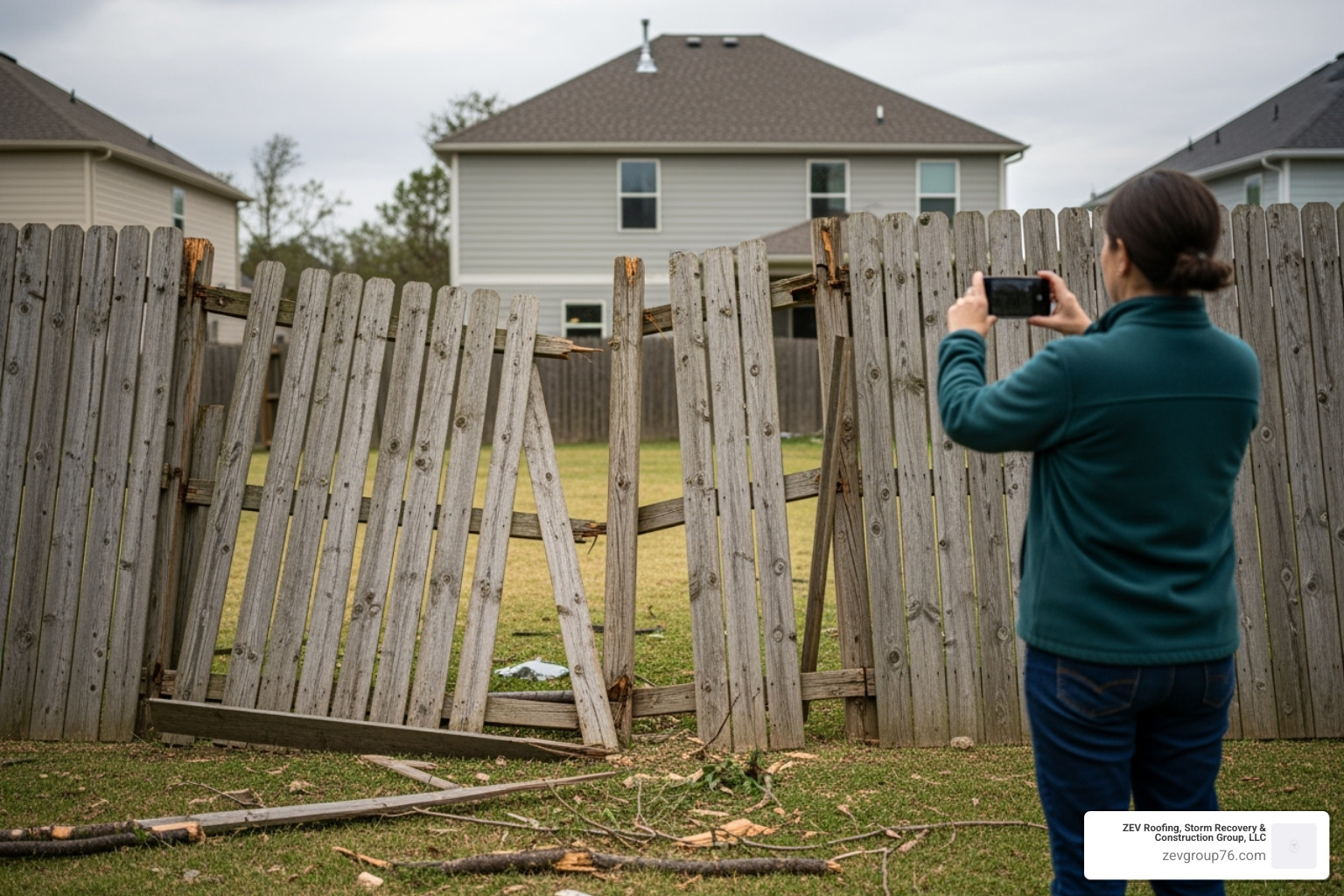
Once it’s safe, it’s time to document the damage. Your insurance claim depends on the evidence you gather now, making this a crucial step in your storm damage repair process.
Use your phone to take extensive photos and videos. Capture wide shots for context and close-ups for detail, covering both the exterior and interior.
Create a detailed inventory of damaged items, noting the item, purchase date, and cost if possible. This will be invaluable for your insurance claim.
Keep all receipts for temporary repairs and emergency expenses, such as plywood for boarding up windows or hotel bills if your home is uninhabitable. Even meal receipts might be covered. Thorough documentation will streamline the entire recovery process.
Assessing the Extent of Storm Damage
After ensuring everyone’s safety, it’s time to understand the scope of the damage. Knowing what to look for helps you communicate effectively with your insurance company and storm damage repair contractor.
Severe weather like thunderstorms, floods, hail, tornadoes, and hurricanes can cause significant harm, from ripped-off shingles and foundation damage to shattered windows and structural collapse.
Perform a safe walk-around inspection of your property, but stay on the ground. Do not climb on a potentially damaged roof. You can spot many warning signs from ground level, even if some damage, like hail impacts, requires a professional eye.
Identifying Roof and Exterior Damage
Your roof takes the brunt of any storm. Look for these common signs of trouble:
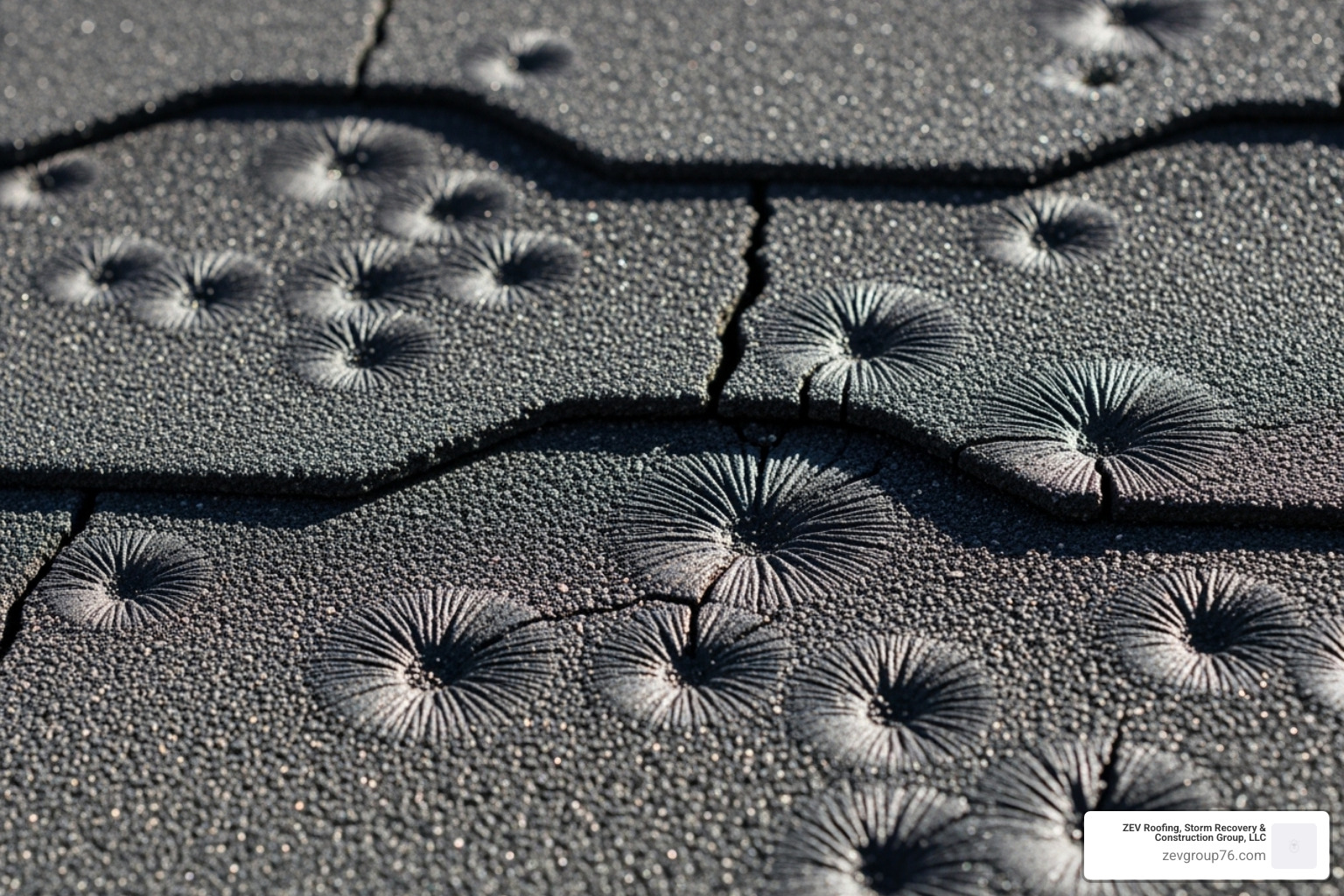
- Missing or Damaged Shingles: High winds can tear off shingles, exposing the underlying wood decking to rain. You may find them in your yard.
- Dents on gutters and siding: Metal surfaces clearly show hail impacts. These dents can affect drainage and create weak spots.
- Granules in downspouts: Finding a large amount of the sandy particles from asphalt shingles in your gutters indicates your roof has been damaged and is now more vulnerable to UV rays.
- Cracked windows: Check all glass surfaces, including skylights and storm doors.
- Damaged flashing: The metal strips around chimneys and vents can be bent or torn, creating an easy path for water.
- Unusual noises or sagging: A creaking or sagging roof is a red flag for serious structural damage that requires immediate professional attention.
Spotting Interior Water Damage and Mold
Water can cause problems far beyond the initial entry point.
- Water stains on ceilings and walls: These brown or yellow marks are a tell-tale sign of a leak.
- Musty odors: A damp smell is often the first sign that mold is growing in a dark, moist area. Mold can appear within 24 to 48 hours.
- Peeling paint: Bubbling or cracking paint often means moisture is trapped behind the wall.
- Warped flooring: Hardwood may cup or buckle, and carpets can feel squishy when water seeps underneath.
- Other signs: Look for gradual discoloration, condensation on dry surfaces, increased humidity, or even higher energy bills from wet, ineffective insulation.
The clock starts ticking when water gets in. Prompt storm damage repair is critical to prevent a small leak from becoming a major health and structural nightmare.
Navigating the Insurance and Storm Damage Repair Process
After a storm, you’re managing both home repairs and insurance paperwork. At ZEV Roofing & Construction, we help homeowners in Texas and New Mexico steer this process smoothly. The key players are your insurance company, their adjuster, and your contractor. A good working relationship between all three speeds up your repair.
Working With Your Insurance Company
File your claim promptly, ideally within 24 to 48 hours. You can add more details later as you find more damage.
Your policy is a contract detailing your coverage. Most homeowners’ policies cover storm damage from wind, hail, and resulting water intrusion. However, flooding from rising water usually requires a separate policy.
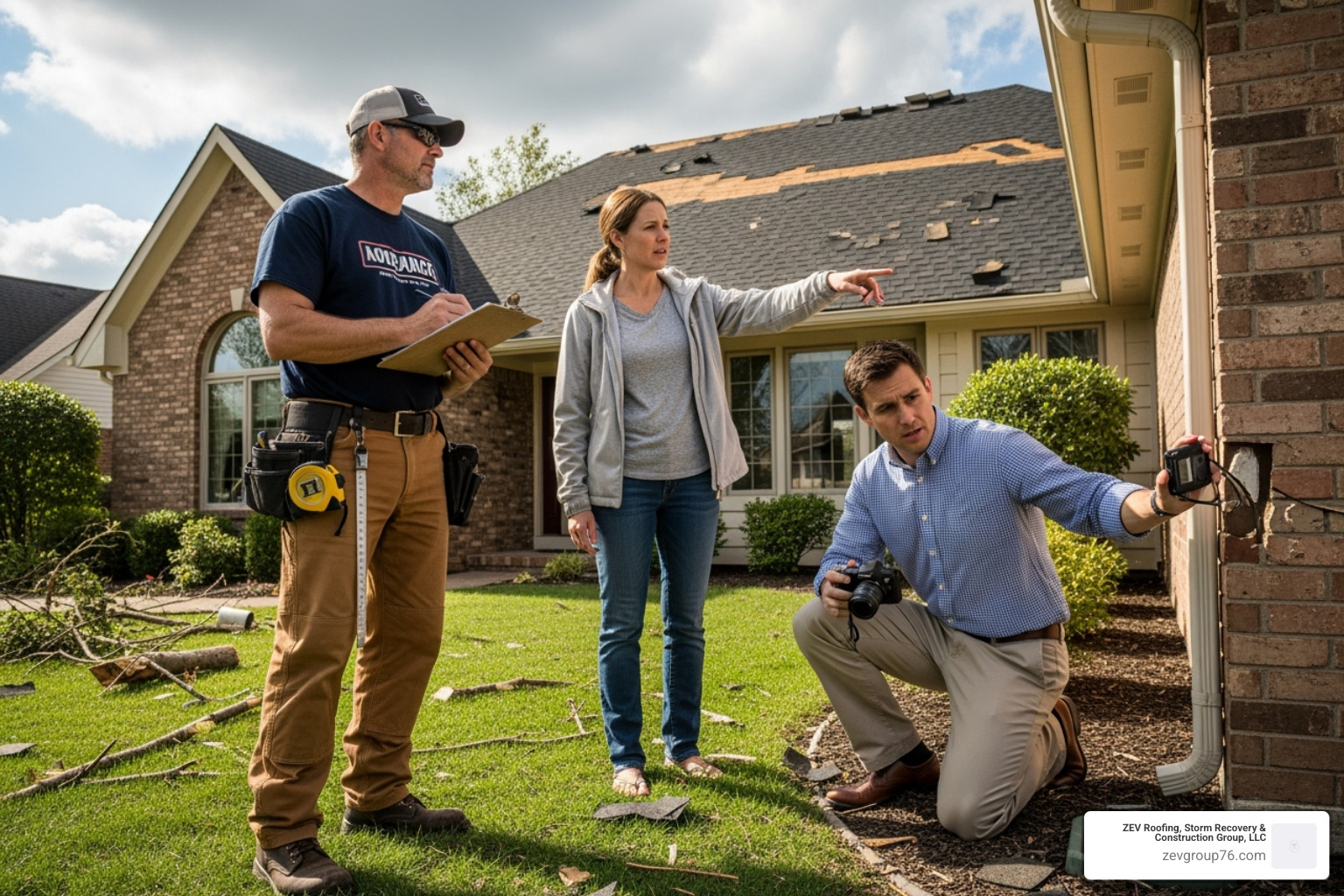
Your insurer will send an adjuster to assess the damage and determine the payout. Having a professional contractor like us involved early helps. We provide detailed estimates and documentation to support your claim and ensure nothing is missed. The process involves filing, meeting the adjuster, receiving an estimate, getting contractor quotes, and resolving any discrepancies.
If you have issues, consumer advocates can help. Get help with insurance questions from consumer advocates to ensure you’re treated fairly.
Key Services for Professional Storm Damage Repair
Time is critical after a storm. We offer 24/7 emergency tarping and board-up services to put a temporary “band-aid” on your roof, preventing further interior damage.
Water extraction and drying is the most time-sensitive service. Professional equipment removes hidden moisture, preventing mold and structural issues that can cost thousands more.
Our Roof Repair and Roof Replacement services are central to most storm projects. We’ll help you decide between a targeted fix or a full replacement based on the damage and your roof’s condition.
We also handle structural repairs to walls, foundations, and framing to ensure your home is sound, and provide professional debris removal for a safe and thorough cleanup.
Understanding the Costs of Storm Damage Repair
Water damage restoration typically costs between $450 and $15,000, with an average around $3,500. Costs vary based on several factors.
The extent and type of damage are the biggest drivers. A few missing shingles are far cheaper to fix than a tree through the roof. Water damage is often costly because it affects so many materials. Material and labor costs, influenced by material quality and roof complexity, also play a role.
The good news is your insurance should cover most of these costs. After your deductible, your policy typically covers restoring your property to its pre-storm condition. We work directly with insurance companies, providing accurate estimates to help you get the coverage you deserve.
Choosing the Right Storm Damage Repair Contractor
Choosing the right contractor for your storm damage repair is a critical decision that will save you headaches and money. After a storm, you may get unsolicited offers. Some are from legitimate professionals, but others are “storm chasers” looking for quick money.
What to Look for in a Reputable Contractor
- Licensing and Insurance: A reputable contractor will readily provide proof of their license and insurance. You can often verify these with your state’s contractor board.
- Experience with Insurance Claims: A contractor who understands the insurance process can be a valuable ally, helping to document your claim and communicate with your adjuster.
- Positive Reviews and References: Check online reviews and ask for recent, local references you can contact. A high BBB rating is also a good sign.
- Local Expertise: A local contractor understands regional building codes and weather challenges and will be around for future warranty work.
- Written Estimates and Contracts: Always get a detailed written contract that specifies the scope of work, materials, timeline, and payment schedule. Why Hiring a Qualified Roofer is Essential explains more about professional standards.
Red Flags and How to Avoid Scams
- High-Pressure Sales Tactics: Be wary of anyone demanding an immediate decision or offering a price that’s “only good for today.”
- Demands for Large Upfront Payments: A reasonable deposit is standard, but demanding most or all of the money upfront is a major red flag.
- Out-of-Town “Storm Chasers”: These contractors often lack local ties and may be gone when you need them for follow-up work.
- Vague Contracts: Avoid contracts that lack specific details about materials, timelines, or the work to be performed.
- Unwillingness to Provide Credentials: If a contractor is hesitant to show their license or insurance, walk away.
The State of Oregon has created helpful guides in English and Spanish to help homeowners identify and avoid disaster scams. At ZEV Roofing & Construction, we prioritize transparency, fair pricing, and quality work for homeowners in Texas and New Mexico.
The Importance of Timely Repairs and Future Prevention
Storm damage repair isn’t just about fixing today’s visible damage; it’s about preventing small problems from becoming tomorrow’s disasters. A minor roof leak, if ignored, can lead to mold, rot, and structural damage, making repairs far more expensive over time.
Long-Term Consequences of Neglect
Delaying repairs can lead to severe consequences:
- Progressive structural damage: A small leak can quietly rot wooden beams and compromise your home’s entire structure, turning a simple fix into a major reconstruction.
- Pervasive mold growth: Mold can start growing within 24 hours of water intrusion. If not treated, it can spread quickly, causing property damage and creating serious health risks.
- Decreased property value: Unrepaired storm damage is a major red flag for potential buyers and will lower your home’s value.
- Higher future repair costs: Delaying repairs almost guarantees higher costs later. A $2,000 roof repair can easily become a $20,000 project if water damage spreads.
- Compromised home safety: Structural weaknesses, electrical hazards from water, and poor air quality from mold all put your family at risk.
How to Mitigate Future Storm Damage
You can take proactive steps to protect your property before the next storm.
- Regular Roof Inspection: Schedule professional inspections twice a year, especially before and after storm season, to catch vulnerabilities early.
- Install impact-resistant materials: When replacing your roof or windows, choose materials designed to withstand severe weather. They are a smart investment for our region.
- Reinforce doors and windows: Storm shutters or impact-resistant windows offer crucial protection. Also, secure outdoor items like furniture and trash cans, which can become projectiles in high winds.
- Proper yard drainage: Keep gutters clear and ensure water is directed away from your foundation to prevent flooding.
- Leak Prevention maintenance: Regularly check plumbing and address small leaks immediately before they can escalate during a storm.
Taking these steps protects your property and your peace of mind, helping you weather the next storm with confidence.
Frequently Asked Questions about Storm Damage Repair
After a storm, it’s normal to have a lot of questions about storm damage repair. We’ve helped homeowners across Texas and New Mexico for years, and here are answers to some of the most common concerns.
How long does the storm damage repair process take?
The timeline depends entirely on the extent of the damage. Minor repairs, like replacing a few missing shingles, might be completed in just a few days.
However, major restoration projects that involve a full roof replacement, water damage remediation, or structural work can take weeks or even months to complete properly.
After our team performs a thorough assessment, we will provide you with a clear, realistic timeline. We work efficiently without cutting corners to get you back to normal life as quickly as possible.
What happens if my insurance claim is denied?
If your claim is denied, don’t give up. You have options, and many initial denials can be successfully appealed.
First, carefully read your insurance policy and the denial letter to understand the reason. Often, claims are denied due to a lack of information.
Providing additional documentation can make a difference. This may include more detailed photos, videos, or a professional assessment from a licensed contractor like us. We can help you gather the right evidence to support your claim.
If you still face challenges, consider hiring a public adjuster or an attorney who specializes in insurance claims to advocate on your behalf.
Should I repair or replace my storm-damaged roof?
This decision depends on two key factors: your roof’s age and the severity of the damage.
A repair is often the best choice if your roof is relatively new and the damage is localized to a small area.
However, a replacement usually makes more financial sense if the damage is widespread or if your roof was already near the end of its lifespan. Patching an old, compromised roof can lead to recurring problems and higher costs over time.
A professional inspection is essential to make the right call. Our team will assess both visible and subtle damage to determine if your roof’s overall integrity has been compromised. We’ll provide an honest recommendation to ensure your long-term security and peace of mind.
Conclusion
When a storm brings chaos to your home, it’s easy to feel overwhelmed. But you don’t have to face it alone. The key steps are ensuring safety, documenting damage, navigating insurance, and finding a qualified contractor for your storm damage repair.
Having the right partner makes all the difference. At ZEV Roofing, Storm Recovery & Construction Group, LLC, we guide our neighbors across Texas and New Mexico through every step. We’ve built our reputation on expert craftsmanship and durable solutions, from the first insurance call to the final nail.
Our team understands the challenges of severe weather in our region. We serve communities like Lubbock, Shallowater, Plainview, New Deal, Wolfforth, and Slaton, because every homeowner deserves quality restoration and peace of mind.
Putting off storm damage repair only makes problems more expensive and dangerous. That small leak won’t fix itself. Take action now to protect your investment and your family.
Ready to restore your home? We’re here with a comprehensive assessment and expert guidance. Learn more about our Storm Damage Repair services, and let’s make your home a safe haven again.