
Understanding What Goes Into Your Roofing Investment
A roofing cost estimate can vary dramatically – from $6,700 to $80,000 depending on your home’s size, materials, and location. Here’s what you need to know right away:
Average Roofing Costs (2024):
- Small home (1,000 sq ft): $7,000 – $15,000
- Average home (2,000 sq ft): $11,000 – $25,000
- Large home (3,000+ sq ft): $20,000 – $50,000+
Cost Breakdown by Material:
- Asphalt shingles: $3.50 – $7.00 per sq ft
- Metal roofing: $6.00 – $15.00 per sq ft
- Tile roofing: $8.00 – $30.00 per sq ft
- Slate roofing: $15.00 – $30.00 per sq ft
When severe weather damages your roof, getting an accurate estimate becomes critical. You’re not just buying materials – you’re investing in your home’s protection, energy efficiency, and value.
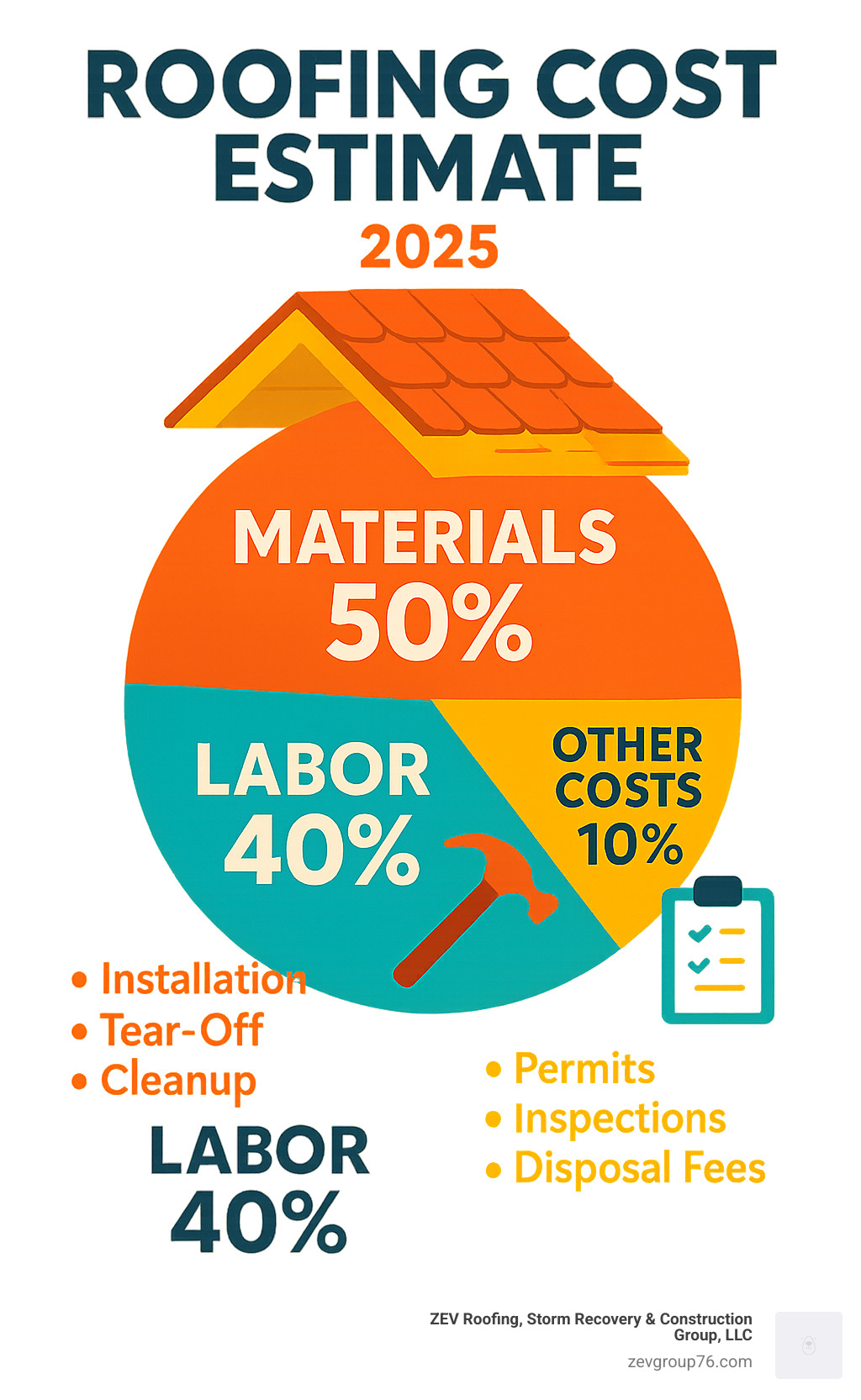
The reality is simple: Labor typically accounts for 40-60% of your total cost, while materials make up the rest. Understanding these numbers helps you make informed decisions, especially when dealing with insurance claims after storm damage.
Whether you’re facing emergency repairs or planning a full replacement, knowing what drives roofing costs puts you in control of the process.
Breaking Down Your Roofing Cost Estimate: Key Factors
Getting a roofing cost estimate can feel overwhelming at first, but understanding the key components makes the process much clearer. Think of it like buying a car – the sticker price depends on the size, features, and quality you choose.
The roofing industry measures everything in “roofing squares,” which equals 100 square feet. Most homes have roofs between 1,500 and 2,000 square feet (that’s 15 to 20 squares). Once we know your roof’s square footage, we can start calculating your cost per square foot more accurately.
But size is just the starting point. Your roof’s complexity dramatically affects both labor time and material needs. A simple ranch-style home with a straightforward roofline costs far less to re-roof than a Victorian with multiple dormers, skylights, and decorative features. Every angle, penetration, and architectural detail requires additional cutting, fitting, and sealing work.
The material type you select often has the biggest impact on your final estimate. Premium materials like slate or copper cost significantly more upfront but can last generations, while budget-friendly asphalt shingles offer solid protection at a fraction of the price.
Here’s how common roofing materials compare across key factors:
| Material Type | Average Cost per Sq. Ft. (Installed) | Average Lifespan | Key Pros | Key Cons |
|---|---|---|---|---|
| Asphalt Shingles | $3.50 – $16.00 | 20-30 years | Affordable, widely available, easy to install, variety of colors | Shorter lifespan, susceptible to wind/hail damage, less energy efficient |
| Metal Roofing | $4.00 – $40.00 | 40-70 years | Durable, long-lasting, energy-efficient, fire-resistant, low maintenance | Higher upfront cost, can be noisy during rain, specialized installation |
| Tile Roofing | $6.00 – $30.00 | 50-100 years | Very durable, long lifespan, fire-resistant, aesthetic appeal | Heavy (may need structural reinforcement), brittle, higher cost |
| Wood Shakes/Shingles | $6.00 – $16.00 | 20-40 years | Natural aesthetic, good insulation | Requires maintenance, fire risk (may be prohibited in some areas), shorter lifespan |
| Slate Roofing | $8.00 – $35.00 | 75-150 years | Extremely durable, very long lifespan, neat look, fire-resistant | Very expensive, heavy (requires structural reinforcement), brittle, specialized installation |
How Different Materials Affect Your Roofing Cost Estimate
Your material choice shapes every aspect of your roofing cost estimate – from initial purchase price to installation complexity to long-term value.
Asphalt shingles remain America’s favorite roofing material for good reason. They’re affordable, reliable, and available in countless styles and colors. Basic 3-tab shingles start around $3.50 per square foot and typically last 20 years. Architectural shingles offer more durability and visual appeal at $4.11 to $5.57 per square foot, lasting 30+ years. Premium architectural options can run $5.95 and up but provide exceptional wind resistance and unique designs.
The best part? Asphalt installation is straightforward, keeping labor costs reasonable. Plus, a new asphalt shingle roof provides a solid return on investment of 56.9%, making it a smart financial choice for most homeowners.

Metal roofing is gaining popularity fast, and for good reason. While costs range from $4.00 to $40.00 per square foot, metal roofs can last 40-70 years with minimal maintenance. They’re incredibly energy-efficient, fire-resistant, and perfect for areas prone to severe weather. The wide price range reflects different metals (steel, aluminum, copper) and styles (corrugated, metal shingles, standing seam).
For detailed insights into specific metal options and their costs, check out our guide on Understanding Standing Seam Roof Costs vs Other Materials.
Tile roofing brings timeless beauty and incredible durability at $6.00 to $30.00 per square foot. Concrete tiles ($6.27 – $8.49 per square foot) offer versatility and affordability, while clay tiles ($9.09 – $12.29 per square foot) provide that classic Mediterranean look. Both can last 50-100 years, but their weight often requires structural reinforcement, adding to upfront costs.
Wood shakes and shingles create a natural, rustic charm that many homeowners love. At $6.00 to $16.00 per square foot, they offer good insulation and unique character. However, they require regular maintenance and may be restricted in fire-prone areas. Expect a 20-40 year lifespan with proper care.
Slate roofing represents the pinnacle of roofing materials. At $8.00 to $35.00 per square foot, it’s expensive upfront, but slate roofs can last 75-150 years or longer. The material is incredibly heavy, requiring structural reinforcement, and installation demands specialized expertise. For homeowners planning to stay long-term, slate offers best longevity and elegance.
Labor, Size, and Complexity: The Other Half of the Equation
While materials get most of the attention, labor costs often surprise homeowners by making up 40-60% of their total roofing cost estimate. According to NerdWallet, Labor makes up 40%-50% of the installation price, though complex projects can push this percentage even higher.
Roof pitch significantly impacts labor time and safety requirements. Gentle slopes are easy to work on, but as your roof gets steeper, everything becomes more challenging. We need additional safety equipment, specialized harnesses, and sometimes scaffolding. Steep roofs also require larger crews and more careful material handling, all of which increases labor costs.
Roof accessibility affects how efficiently we can work. Homes with tight spaces, extensive landscaping, or limited driveway access make material delivery and debris removal more difficult. Multi-story homes present additional challenges, requiring extra time and safety measures to transport materials and workers to higher elevations.
Skylights and chimneys add beautiful features to your home but increase installation complexity. Each penetration needs precise cutting, careful sealing, and proper flashing to prevent leaks. This detail-oriented work requires experienced craftsmen and adds both time and specialized materials to your project.
These factors combine to determine how many labor hours your project requires and what level of expertise is needed – directly affecting the “other half” of your roofing investment.
Additional Factors Influencing Your Roofing Cost Estimate
Several behind-the-scenes elements contribute to your final roofing cost estimate that homeowners often overlook. These components are essential for a complete, long-lasting roof system.
Tear-off and disposal of your old roof typically costs $0.40 to $2.00 per square foot. If your home has multiple layers of old shingles (some areas allow two or three layers), removal becomes more labor-intensive and disposal costs increase accordingly.
Underlayment serves as your roof’s critical moisture barrier, installed directly on the roof deck beneath your shingles. At $1.50 to $2.10 per square foot, quality underlayment is invisible but vital for leak prevention and long-term performance.
Decking repair becomes necessary when we find soft spots, rot, or water damage during tear-off. Damaged decking repair adds $2.20 to $3.00 per square foot but is essential for structural integrity. Skipping this step can compromise your entire new roof system.
Flashing around chimneys, skylights, and roof valleys prevents water infiltration at vulnerable points. Proper flashing installation costs $9.00 to $11.00 per linear foot but is crucial for preventing the Damaged Shingles and leaks that plague many roofs.
Permits and inspections typically run $100 to $500, depending on your local municipality. These ensure your new roof meets building codes and safety standards, protecting both your investment and your family.
Geographic location significantly affects pricing due to varying labor rates, material availability, and local building requirements. Costs in West Texas might differ from Eastern New Mexico based on local market conditions and supply chains.
Understanding these additional factors helps you appreciate the comprehensive nature of a professional roofing cost estimate and ensures no important details get overlooked in your roofing project.
Repair or Replace? Making the Right Financial Decision
Here’s the million-dollar question we get almost daily: “Should I repair my roof or replace it entirely?” It’s a big decision, and honestly, the answer depends on a few key factors that can save you thousands – or cost you if you choose wrong.
Let’s start with the basics. If your roof is still relatively young (under 15-20 years old) and you’re dealing with localized damage – maybe a few missing shingles after a storm or a small leak in one corner – then targeted Roof Repair is usually your best bet. We can fix the problem area and keep your existing roof going strong for years to come.
But here’s where it gets tricky. If your roof is getting up there in age (especially over 20 years for asphalt shingles), or if you’re seeing damage popping up all over the place, a full Roof Replacement often makes more financial sense in the long run.
As the experts at Bob Vila point out, a full replacement may be necessary if your roof is over 20 years old and experiencing multiple issues. Think about it this way – patching up an old, failing roof might seem cheaper today, but you could end up in a frustrating cycle of repairs that ultimately costs way more than just replacing it once and being done with it.
The real key is looking at your roof’s overall health. Are those leaks isolated incidents, or do they seem to be multiplying like weeds? Is the damage from a specific storm, or is it just general wear and tear across the entire surface?
An honest professional assessment will guide you to the smartest financial decision. Sometimes the roof that looks “okay” from the ground is actually telling a different story up close.
Signs You Need a Roof Replacement
Your roof has a way of communicating when it’s ready to retire – you just need to know what to look for. Catching these warning signs early can save you from emergency repairs and water damage headaches down the road.
Curling or cracking shingles are like wrinkles on your roof – they’re telling you age is catching up. When asphalt shingles start curling at the edges, cupping in the middle, or showing visible cracks, they’re losing their ability to protect your home effectively.
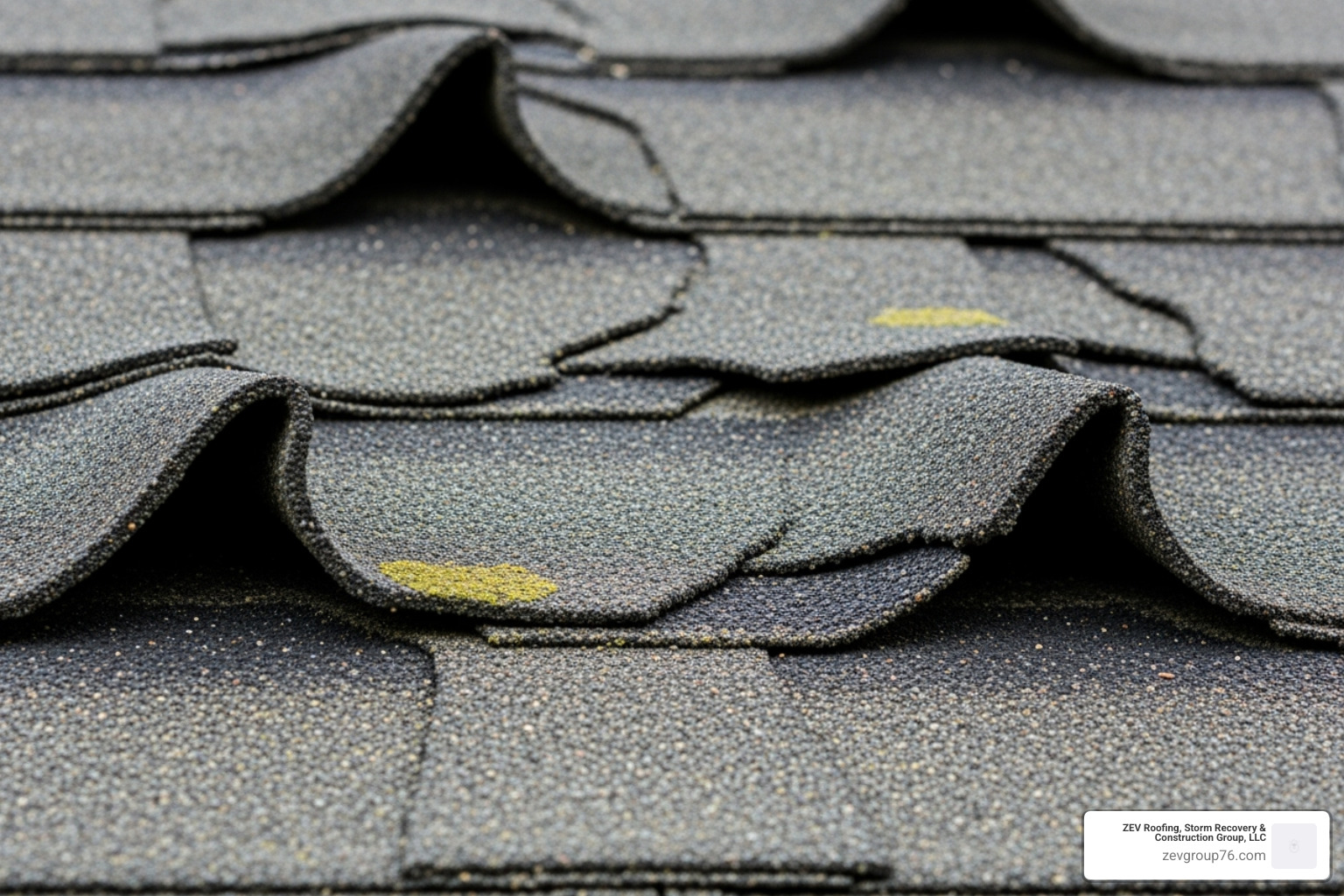
Widespread granule loss is another red flag. Those little granules on asphalt shingles aren’t just for looks – they’re your roof’s sunscreen, protecting against UV damage. If you’re finding tons of granules in your gutters or seeing bare spots on your shingles, that protective coating is wearing away fast.
A sagging roof deck is serious business and needs immediate attention. If you notice any drooping or sagging in your roofline, it could mean problems with the decking or underlying structure. This isn’t something you can patch up – it’s a safety issue.
Water damage in your attic is probably the most alarming sign. Water stains, streaks, dampness, or mold growth mean your roof is already letting water in. While sometimes a single leak can be repaired, widespread water damage usually points to bigger problems throughout the roofing system.
Moss or algae growth might look harmless, but it’s actually trapping moisture against your roof surface. Over time, this can lead to premature deterioration of shingles and even rot in the underlying structure.
Finally, there’s the simple factor of age. If your asphalt shingle roof is pushing 20-25 years old, it’s probably nearing retirement age, even if it looks decent from the street. Being proactive about replacement can prevent those costly emergency repairs that always seem to happen at the worst possible time.
If you’re seeing any of these warning signs, don’t put it off. We always recommend you get a professional roof inspection to get an accurate diagnosis and understand all your options. It’s better to know what you’re dealing with than to be surprised by a leak during the next big storm.
How to Save Money and Hire the Right Contractor
Let’s be honest – getting a new roof is a major expense. But with the right approach, you can protect your investment and avoid costly mistakes that could haunt you for years.
Getting multiple quotes is your first line of defense. We always tell homeowners to collect at least three detailed roofing cost estimates from different contractors. This isn’t just about finding the lowest price – it’s about understanding what you’re really getting. When quotes vary wildly, there’s usually a reason. Maybe one contractor is cutting corners on materials, or another is padding their estimate with unnecessary work.
Timing can save you serious money. While everyone wants their roof done during perfect spring weather, scheduling your project during the off-season (late fall or winter) can sometimes open up better pricing. Contractors often offer competitive rates to keep their crews working during slower months. Just remember – if you’re dealing with storm damage, waiting might not be an option.
Don’t leave money on the table with insurance claims. If severe weather damaged your roof, your homeowner’s insurance might cover more than you think. Hail, wind damage, and fallen trees often qualify for coverage. We’ve helped countless homeowners steer the insurance maze through our Storm Damage Repair services. The key is documenting everything and working with contractors who understand the claims process.
Here’s where many homeowners make their biggest mistake – choosing a contractor based solely on price. Your roof protects everything you own. This isn’t the time to go with the cheapest bid from someone who knocked on your door after a storm.
Proper licensing and insurance aren’t optional. Any contractor working on your Texas or New Mexico home should carry comprehensive liability insurance and worker’s compensation coverage. If they can’t produce these documents immediately, walk away. You don’t want to be liable if someone gets hurt on your property.
Warranties tell you everything about a contractor’s confidence in their work. Look for strong warranties on both materials (typically from the manufacturer) and labor (from the contractor). A reputable roofer will stand behind their craftsmanship for years, not months.
Experience speaks louder than promises. Ask for local references and check online reviews, but dig deeper. How long have they been in business? Can they show you examples of similar projects? A contractor with a solid track record of satisfied customers is worth their weight in gold.
Transparency in pricing matters. Your roofing cost estimate should break down every charge – materials, labor, disposal fees, permits. If a contractor can’t explain where your money is going, that’s a red flag.
As we discuss in our guide on Why Hiring a Qualified Roofer is Essential for Your Full Roof Replacement in Tampa, FL, these principles apply no matter where you live. The right roofing partner will ensure your project is completed safely, correctly, and to the highest standards – protecting your investment for decades to come.
Frequently Asked Questions about Roof Replacement
Getting a new roof can feel overwhelming, especially when you’re dealing with storm damage or facing your first major home renovation. We’ve been helping Texas and New Mexico homeowners through this process for years, and these are the questions that come up most often.
How long does a typical roof replacement project take?
Here’s the good news: most residential roof replacements take just one to five days from start to finish. We know that having workers on your roof disrupts your daily routine, so we work efficiently to minimize that inconvenience.
For a typical single-story home with straightforward access, we can often complete your project in just one to two days. It’s pretty amazing how quickly a skilled crew can transform your home’s protection and appearance.
However, several factors can extend your project timeline. Larger homes naturally take longer – a 3,000+ square foot roof simply requires more materials and labor hours. Complex roof designs with multiple valleys, dormers, or steep pitches need extra care and precision, which takes additional time.
The material type you choose also affects duration. While asphalt shingles install relatively quickly, metal roofing or tile can take significantly longer due to their specialized installation requirements.
Sometimes we find unexpected issues during tear-off, like damaged decking that needs repair. While this extends the timeline, addressing these problems is crucial for your roof’s long-term performance.
Weather delays are always a possibility, especially here in Texas and New Mexico where afternoon thunderstorms can pop up unexpectedly. We never compromise on safety, so if conditions aren’t right for quality work, we’ll pause until they improve.
Material availability can occasionally affect scheduling, particularly if you’ve chosen specialty materials or if we’re dealing with high demand after a major storm event.
What is the best time of year to replace a roof?
The timing of your roof replacement depends on whether you’re dealing with an emergency or planning ahead. If you have active leaks or significant storm damage, the best time is immediately – regardless of season. Preventing further interior damage always takes priority over timing considerations.
For planned replacements, each season has its advantages. Spring and summer represent peak roofing season for good reason. The weather is generally predictable, creating ideal working conditions for quality installation. However, this high demand means longer wait times for scheduling and less flexibility on pricing.
Late fall and winter can offer significant advantages for savvy homeowners. With lower demand, many roofing companies offer potential savings to keep their crews active during slower months. You’ll also find better contractor availability and more flexible scheduling.
Don’t worry about cold weather affecting quality – experienced roofers like our team know how to work with materials in various temperatures. While some materials like asphalt shingles are less flexible in cold weather, proper techniques ensure excellent results year-round.
Does a new roof increase my home’s value?
Absolutely! A new roof is one of the smartest investments you can make in your home. The numbers speak for themselves – a new asphalt shingle roof provides a return on investment of 56.9% according to recent industry data.
But the benefits go far beyond the financial return on investment (ROI). A new roof dramatically improves your home’s curb appeal, making it stand out in the neighborhood and creating that all-important first impression for potential buyers.
Energy efficiency is another major benefit. Modern roofing materials and proper installation improve your home’s insulation and ventilation, which can lead to noticeable reductions in your utility bills. This ongoing savings adds to the roof’s overall value proposition.
Perhaps most importantly, a new roof provides buyer confidence. When potential buyers see a recently replaced roof, they know they won’t face this major expense for decades to come. It removes a significant concern from their decision-making process and can help your home sell faster and for a better price.
Even if you’re not planning to sell soon, you’ll enjoy the peace of mind that comes with reliable protection for your family and belongings.
Your Next Steps for a Secure and Reliable Roof
Now that you understand what goes into a roofing cost estimate, you’re equipped to make smart decisions about one of your home’s most important investments. Think of it this way – your roof is like a trusty umbrella that never gets put away. It’s working 24/7 to keep you and your family safe and dry.
Here’s what we want you to remember: quality matters more than the lowest price. A roof that’s done right the first time will save you thousands in repairs down the road. We’ve seen too many homeowners who went with the cheapest bid only to call us a year later when their “bargain” roof started leaking.
Don’t try to guess your roofing costs from online calculators or rough estimates you found on the internet. Every home is different. Your neighbor’s roof replacement cost won’t match yours, even if your houses look identical. Factors like roof pitch, accessibility, and hidden damage can only be finded during a proper inspection.
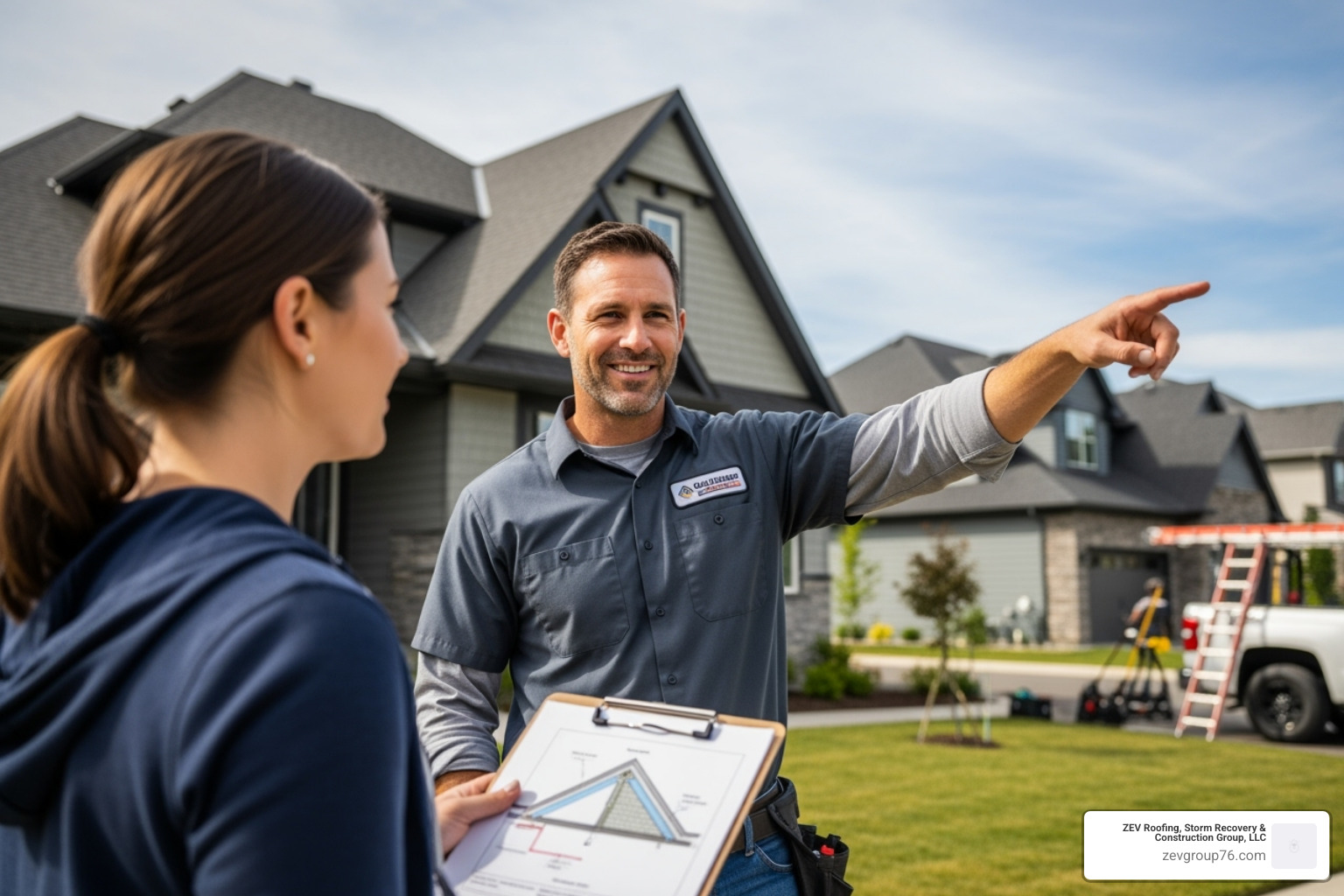
That’s where professional assessment becomes crucial. A thorough inspection by experienced roofers reveals the full picture – from the condition of your decking to potential ventilation issues you might not even know exist.
At ZEV Roofing & Construction, we believe in straight talk and transparent pricing. When we give you a roofing cost estimate, we break down every cost so you understand exactly what you’re paying for. No surprises, no hidden fees, no pressure tactics.
We’re proud to serve homeowners and businesses across West Texas and Eastern New Mexico. Whether you’re in Lubbock, Plainview, Shallowater, New Deal, Wolfforth, or Slaton, our team brings the same commitment to quality and customer service.
Storm damage doesn’t wait for convenient timing, and neither do we. If severe weather has damaged your roof, time is critical. Water damage spreads quickly, and what starts as a small leak can become a major headache. If your roof has been compromised by severe weather, contact us for expert Storm Damage Repair.
Your roof replacement journey doesn’t have to be stressful. With the right information, a trusted contractor, and a clear plan, you can move forward with confidence. We’re here to guide you through every step, from initial inspection to final cleanup, making sure your investment protects your home for decades to come.