
Why Mold Prevention is Critical for Your Home’s Health and Value
Prevent mold growth in your home by controlling moisture—it’s that simple, yet that crucial. The key to stopping mold before it starts is moisture control.
Quick Answer: How to Prevent Mold Growth
- Keep indoor humidity between 30-50%
- Fix water leaks within 24-48 hours
- Use exhaust fans in bathrooms and kitchens
- Ensure proper ventilation throughout your home
- Direct water away from your foundation
- Clean gutters regularly
- Dry wet areas immediately
Mold isn’t just unsightly; it’s a serious threat to your health and property. It can grow on wet surfaces in just 24-48 hours, turning a small moisture issue into a costly remediation project often not covered by homeowners insurance.
The health risks are significant. Mold produces allergens and irritants, triggering asthma attacks, allergic reactions, and irritating the eyes, skin, nose, and lungs, with severe impacts on sensitive individuals.
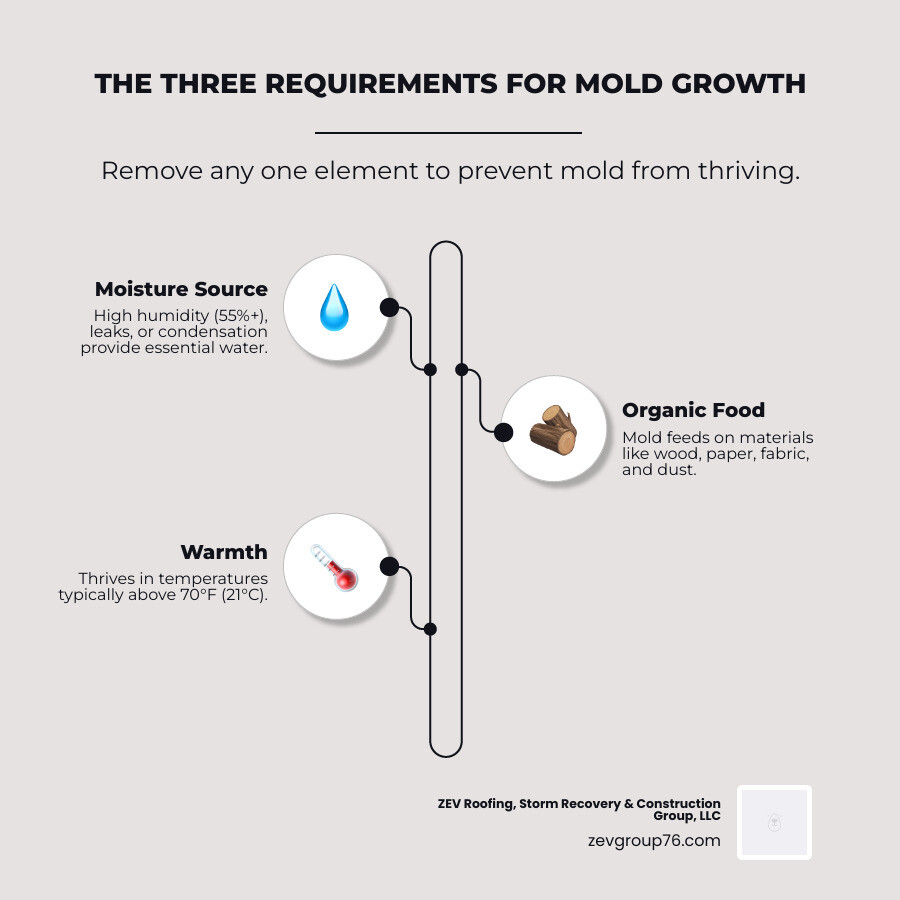
The good news is that mold is preventable. It needs organic material, warmth (above 70°F), and moisture to grow. By controlling moisture, you create an environment where mold cannot thrive, protecting your family’s health and your home’s value.
Understanding Mold: The Unwanted Houseguest
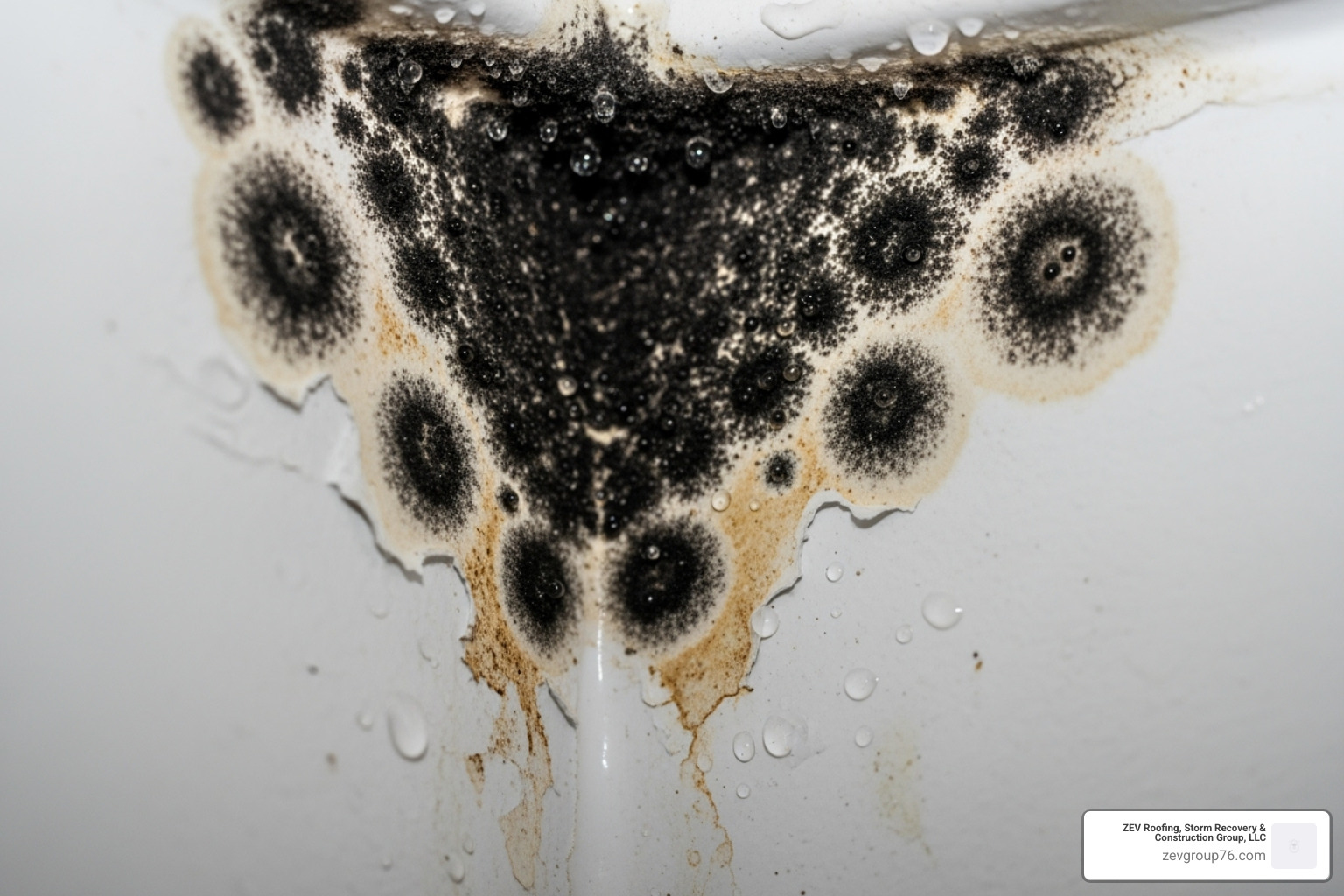
Mold is an unwanted houseguest that can damage your home and health. It’s sneaky, often growing unseen until it becomes a major problem.
What is Mold and Why Does it Grow Indoors?
Mold is nature’s recycling system, but it becomes a problem indoors. It infiltrates your home via tiny, invisible mold spores that are everywhere. They enter on clothes, through open windows, or via your HVAC system.
Trouble begins when spores find ideal conditions: organic material to eat, warmth, and moisture. Your home offers a buffet of food sources like wood, paper, drywall, and dust. Mold thrives in temperatures of 70°F or higher. Add moisture, and you have a problem.
Mold growth is shockingly fast, starting within just 24 to 48 hours on wet surfaces. A small, unaddressed leak can lead to a mold colony in days. High humidity above 55% is also ideal for mold, even without visible water. Musty odors often appear before visual signs like fuzzy patches or dark stains.
Health Risks Associated with Mold Exposure
When mold grows, it releases spores and potentially harmful mycotoxins into your air. The most common health issues are allergic reactions like sneezing, runny noses, or skin rashes. For those with asthma, mold can trigger severe asthma attacks.
Mold exposure can also cause eye and lung irritation, such as watery eyes, scratchy throats, and persistent coughs. Sensitive individuals—including children, the elderly, and those with compromised immune systems—are at higher risk, facing more severe and lasting symptoms.
Understanding these risks underscores why moisture control is not just home maintenance—it’s about protecting your family. For more details, see this helpful resource: Mold 101: Effects on Human Health.
The Core Strategy: How to Prevent Mold Growth Through Moisture Control
The truth about mold prevention is simple: prevent mold growth by controlling moisture. Since mold needs water to survive, cutting off its supply is your most powerful weapon. This involves managing indoor humidity, ensuring proper ventilation, and preventing exterior water intrusion.
Managing Indoor Humidity Levels
Keep your home’s humidity between 30-50%. Use an inexpensive hygrometer to monitor levels, or watch for condensation on windows and pipes as a warning sign.
- Dehumidifiers are great for problem areas like basements and crawl spaces. Clean them weekly to prevent mold growth within the unit itself.
- Your air conditioner also dehumidifies. Ensure it’s correctly sized for your home; an oversized unit cools too quickly to effectively remove humidity. Set the fan to “auto,” not “on,” to prevent re-circulating moisture. If you leave town, set the thermostat to 78-80°F to control humidity.
The Power of Proper Ventilation
Ventilation gives moisture an escape route. The goal is to move moist air out and bring fresh, dry air in.
- Kitchen exhaust fans are essential for removing steam from cooking or dishwashing. If you lack a fan, crack a window.
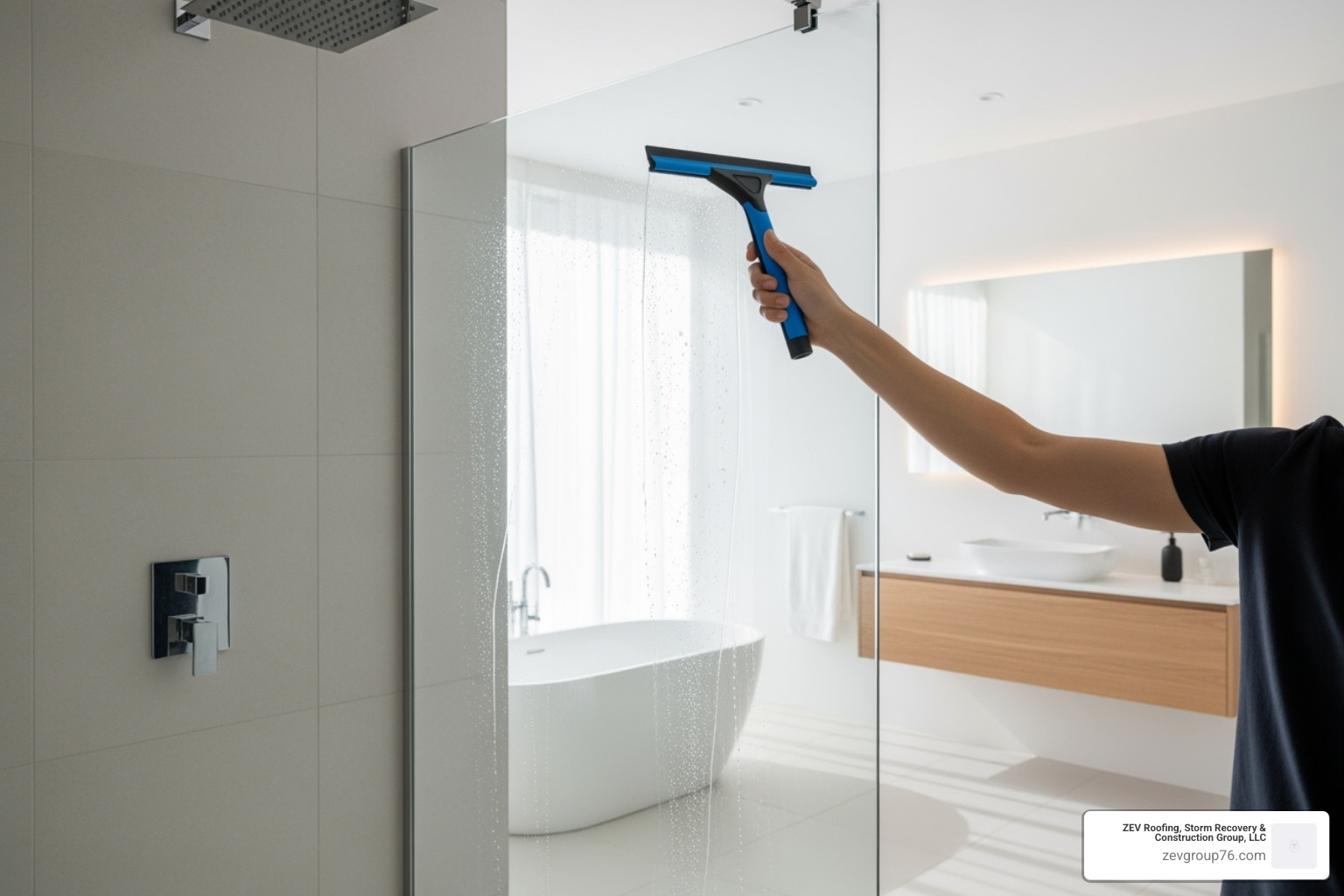
- Bathroom ventilation is non-negotiable. Run the exhaust fan during and for 30 minutes after showering. Wiping down shower walls with a squeegee also helps immensely.
- In the laundry room, always vent your dryer outside and promptly remove wet clothes from the washer. For front-loading washers, leave the door open after use to let the drum dry.
- Improve air circulation by keeping interior doors open, pulling furniture away from walls, and using ceiling fans year-round.
Controlling Exterior Water Intrusion
Often, moisture problems start outside. Keeping water away from your house is fundamental to mold prevention.
- Ensure proper ground slope away from your foundation to prevent water from pooling and seeping into your basement or crawl space.
- Clean gutters and proper downspout placement are your first line of defense. Clogged gutters cause water to overflow and pool around your foundation. We offer Gutter Installation services to ensure water flows away from your home correctly.
- Window and door seals degrade over time. Inspect them twice a year for cracked or missing caulk and replace it to prevent water damage. Our Exterior Siding services can address underlying water intrusion issues.
Proactive Home Maintenance for a Dry Environment
The best defense against mold is proactive maintenance. Regular upkeep of your home’s systems is far easier and cheaper than dealing with a mold problem later. Our experience in Texas and New Mexico shows that simple, regular maintenance could have prevented most water damage and mold issues.
Maintaining Your Home’s Key Systems to Prevent Mold Growth
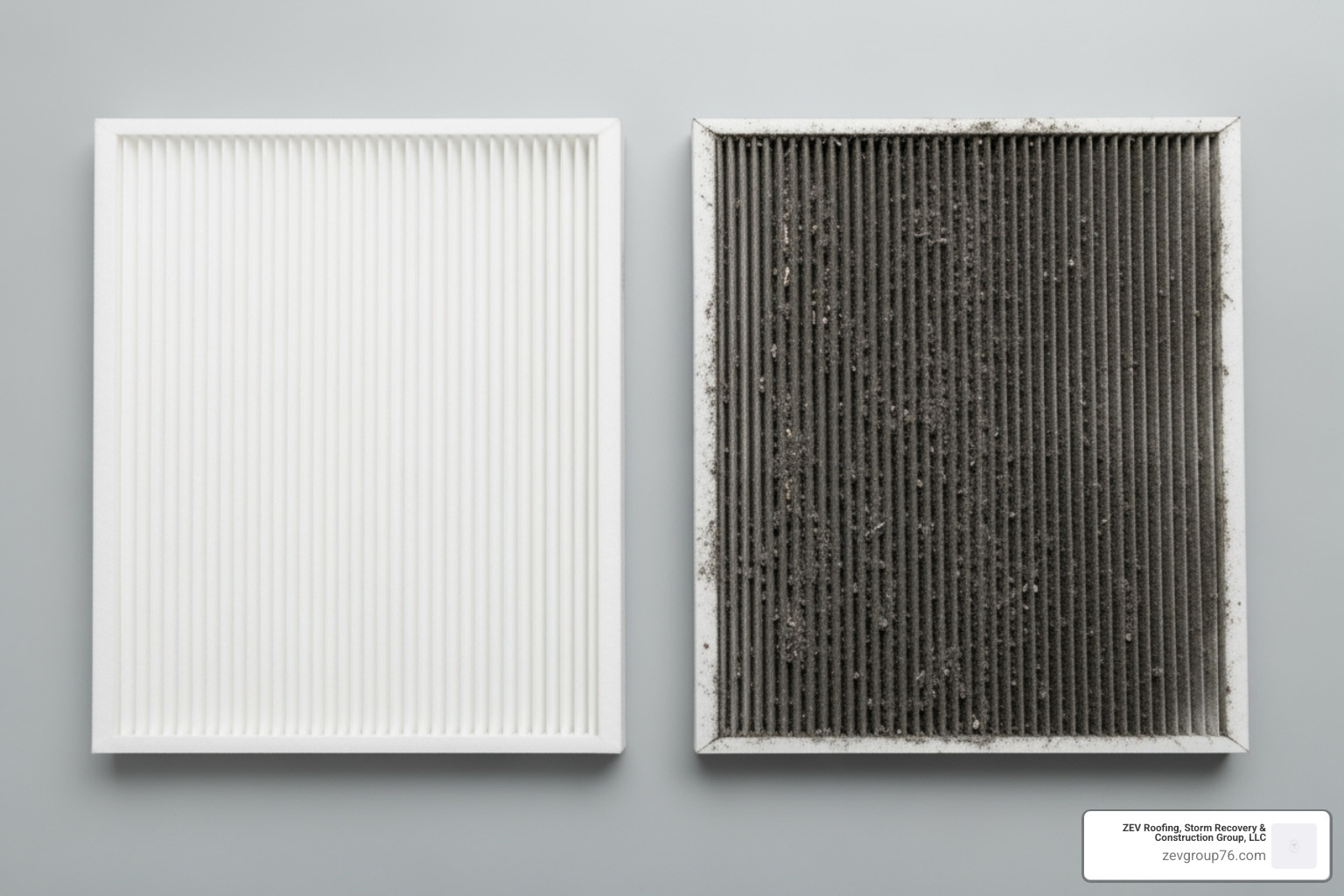
- HVAC System: Your HVAC is a key ally in moisture control. Change air filters regularly to maintain efficiency and prevent condensation. Ensure drip pans and drain lines are clean. Get your system professionally inspected annually to check for proper drainage and insulated ductwork.
- Plumbing: Silent plumbing issues can cause major mold problems. Regularly check under sinks, around toilets, and behind appliances for leaks or musty smells. Replace washing machine hoses every five years to prevent bursts. Our Leak Prevention services can help you stay ahead of these issues.
- Roof: Your roof is your primary defense against water. Even a small leak can let in enough moisture for mold to thrive. Since leaks often start small and hidden, a regular Roof Inspection is valuable for catching issues early.
Your 48-Hour Action Plan for Water Damage
Even well-maintained homes can have water emergencies. When a storm, burst pipe, or appliance overflow occurs, you must act fast, as mold can grow within 24-48 hours.
- Stop the water source immediately.
- Remove standing water with wet/dry vacuums or mops.
- Start the drying process with fans and dehumidifiers.
- Remove water-damaged porous materials (drywall, insulation, carpet) that can’t be dried within 48 hours.
- Clean and disinfect all affected hard surfaces.
- Monitor the area for lingering moisture or musty odors.
For major water damage, especially from storms, call professionals. Our Storm Damage Repair services team has the expertise for large-scale water removal and drying to prevent future mold problems.
Identifying and Removing Existing Mold
Despite best efforts, mold can appear. Whether you smell something musty or see suspicious spots, don’t panic. Knowing how to identify mold and when to call a professional can save time and money. For a comprehensive resource, bookmark the EPA’s A Brief Guide to Mold, Moisture and Your Home.
How to Spot Hidden Mold
Mold can be sneaky, but it leaves clues. Trust your nose—persistent musty smells are a strong warning sign. Visual cues include peeling paint or wallpaper, warped drywall, and signs of condensation on walls or pipes. Know mold’s favorite hiding spots: behind wallpaper, under carpets, inside wall cavities, in air ducts, and on insulation. Basements are also vulnerable as moisture can seep through concrete.
DIY Mold Cleanup vs. Calling a Professional
Deciding between DIY cleanup and calling a professional depends on the size and scope of the problem.
- DIY Cleanup: The EPA’s 10-square-foot rule is a good guideline. If the area is smaller than a 3×3 foot patch, you can likely handle it. Always use essential protective equipment: a fitted N-95 respirator, long gloves, and goggles. For cleaning, use detergent and water. A diluted bleach solution can disinfect non-porous surfaces, but ensure good ventilation and never mix it with ammonia.
- Call a Professional: Call for help with areas larger than 10 sq. ft., if household members have health sensitivities, or if the mold is from contaminated water (like sewage). Hidden mold behind walls and suspected HVAC contamination should also be handled by pros to avoid spreading spores. If mold returns after cleaning, it indicates an unresolved moisture issue that needs professional investigation.
Building and Decorating to Prevent Mold Growth
When building or renovating, choose materials that resist mold.
- Use mold-resistant drywall in moisture-prone areas like bathrooms and basements. It lacks the paper facing that feeds mold.
- Apply paint with mold inhibitors for an extra layer of protection.
- Choose smart flooring in damp areas. Avoid carpet; opt for hard surfaces like tile or sealed concrete. Use washable area rugs for comfort.
- Use thoughtful storage solutions. Keep items off concrete floors and use plastic containers instead of cardboard.
- Reduce clutter to improve airflow and reduce dust, a major food source for mold.
Frequently Asked Questions about Mold Prevention
We get these questions all the time from homeowners who want to prevent mold growth. Here are the straight answers.
What is the best temperature to prevent mold growth?
Humidity matters more than temperature. A cool but humid room can grow mold, while a warmer, dry room will not. Your best bet is a consistent temperature between 68-72°F. This helps your AC remove moisture effectively. Pair this with humidity below 50% and avoid large temperature swings that cause condensation.
Can I just paint over a moldy surface?
Absolutely not. Painting over mold is a temporary fix that hides a worsening problem. The mold continues to grow underneath, causing the paint to peel and releasing spores. The mold must be completely removed first. Clean the surface, fix the moisture source, and ensure the area is completely dry before painting.
Are air purifiers effective at preventing mold?
Air purifiers with HEPA filters are helpful for capturing airborne mold spores, but they don’t solve moisture problems. They can’t fix a leaky pipe or a damp basement. Use an air purifier as a supplementary tool alongside proper moisture control and ventilation. Fix the moisture source first, then use the purifier to help manage airborne spores.
Conclusion: Your Partner in a Healthy, Mold-Free Home
A mold-free home hinges on one truth: moisture control is key. As this guide has shown, mold is preventable when you cut off its water supply. You now have a roadmap: proactive maintenance, managing humidity, ensuring proper ventilation, and controlling exterior water are your primary strategies.
This investment protects your investment and health. A mold-free home means better health, no costly remediation, and peace of mind. It also adds value when you decide to sell.
In Texas and New Mexico, unpredictable weather makes a trusted partner essential. At ZEV Roofing & Construction, we see how small moisture problems become major issues. We focus on fixing the root cause, not just the symptoms. Our team understands that every drop of water that enters your home uninvited is a potential mold problem waiting to happen. Whether it’s through a compromised roof, faulty gutters, or exterior siding, we have the expertise to create a comprehensive moisture barrier.
For comprehensive solutions to the root causes of moisture, from roofing to construction, trust the experts. We’re not just about fixing what’s broken—we’re about building resilience into your home. Start protecting your home today by ensuring it’s free from leaks. More info about Leak Prevention services