
Why New Mexico Wind Damage Requires Your Immediate Attention
New Mexico wind damage affects thousands of property owners each year, from subtle roof wear to catastrophic tornado destruction. The Land of Enchantment experiences unique weather patterns that create significant risks for homes and businesses across all 33 counties.
Key Facts About New Mexico Wind Damage:
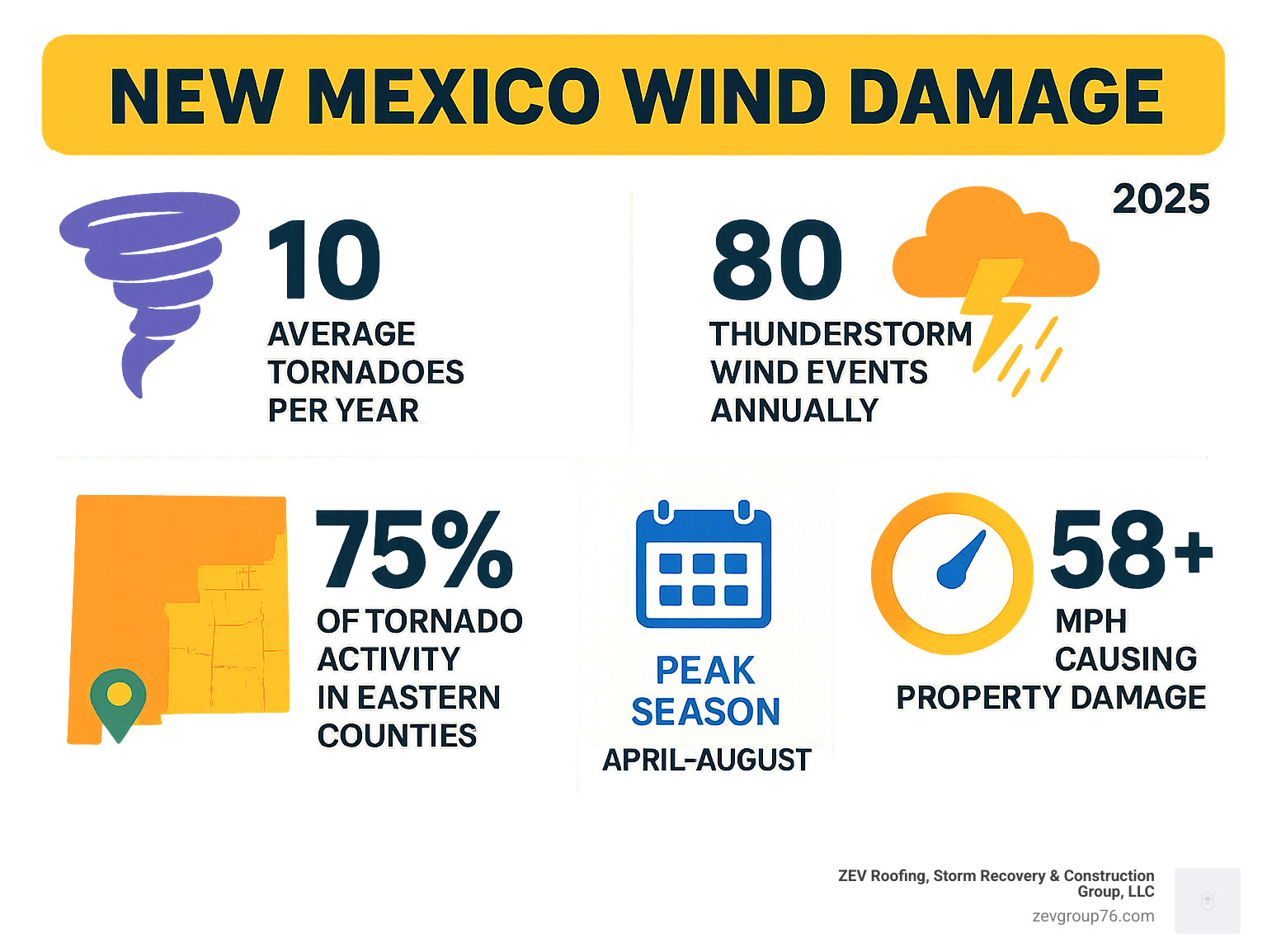
- Average tornado frequency: 10 tornadoes per year statewide
- Thunderstorm wind events: 80 reported annually (recent 10-year average)
- Peak risk season: April through August
- Highest risk areas: Eastern New Mexico plains
- Wind speed threshold for damage: 58+ mph gusts
- Historical severe events: Cimarron tornado (1996) – $2 million damage
New Mexico’s complex terrain creates ideal conditions for both landspouts – weak tornadoes that form without strong thunderstorms – and powerful straight-line winds from severe storms. While strong tornadoes are rare, occurring about once every 10 years, the steady increase in reported thunderstorm wind events means property damage is becoming more frequent.
The state’s geography puts 75% of severe storms with tornadoes in eastern New Mexico, but all counties experience severe thunderstorms producing high winds, large hail, and heavy rains. Spring storms peak from April through June in eastern areas, while summer monsoon storms affect the entire state from July through August.
Understanding your risk and knowing how to respond quickly can save thousands in repair costs and prevent minor damage from becoming major structural problems.
Understanding New Mexico’s Powerful Winds
New Mexico’s breathtaking landscapes come with a price – some seriously powerful winds that can turn a peaceful day into a property owner’s nightmare. If you’ve lived here long enough, you know that wind isn’t just background noise in the Land of Enchantment. It’s a force that shapes our daily lives and, unfortunately, can reshape our roofs too.

Our state’s unique geography creates a perfect recipe for wind events. Those vast eastern plains act like nature’s wind tunnel, channeling storms across miles of open space with nothing to slow them down. The mountain ranges don’t help either – they actually funnel and accelerate winds in ways that can catch homeowners off guard.
Spring storm season hits hardest from April through June, especially in eastern New Mexico. That’s when severe thunderstorms roll across the plains, bringing damaging winds, large hail, and tornadoes. But don’t think you’re safe once summer arrives. The monsoon season from July to August spreads thunderstorms across the entire state, meaning even homes in Albuquerque and Santa Fe can face significant wind threats.
Here’s something that might surprise you – New Mexico has incredible wind power potential. Those same winds that threaten our homes are helping power the state’s renewable energy future. It’s a reminder that what’s challenging for homeowners can be beneficial in other ways.
For the most current severe weather data and forecasts, the Severe Weather Climatology for NM provides comprehensive tracking of our state’s wind patterns.
The Climatology of Wind in the Land of Enchantment
Let’s talk numbers, because understanding New Mexico wind damage starts with knowing what we’re up against. Our state averages 10 tornadoes per year, and while most are relatively weak and touch down over empty rangeland, the potential for stronger events always lurks. A truly destructive tornado capable of major damage occurs roughly once every 10 years.
But here’s what really should get your attention – thunderstorm wind events are becoming much more common. Between 1979 and 2009, New Mexico averaged 26 wind events annually. Fast forward to the decade ending in 2022, and that number jumped to 80 events per year. That’s more than triple the historical average.
These aren’t gentle breezes we’re talking about. Severe thunderstorm winds are classified as gusts of 58 mph or higher, and they can cause serious New Mexico wind damage without a tornado ever forming. Think of it as nature’s equivalent of a freight train rolling through your neighborhood.
The seasonal peaks follow predictable patterns. Spring brings the most intense activity to eastern counties, while summer monsoons spread the risk statewide. What makes this particularly challenging is the connection between wind and flash floods – heavy rains often accompany strong winds, creating a double threat to your property.
The good news? WSR-88D radar technology has dramatically improved our ability to detect and track these storms, giving homeowners better warning systems than ever before.
From Common Gusts to Rare Tornadoes
Not all wind events are created equal, and understanding the difference can help you better prepare your home. A severe thunderstorm isn’t just any storm with impressive thunder – it’s specifically defined as producing hail one inch or larger, winds of 58 mph or more, or a tornado.
Landspouts are New Mexico’s quirky contribution to severe weather. These tornado-like phenomena form differently than traditional tornadoes, appearing without the rotating supercell thunderstorms that create their more dangerous cousins. They look like oversized dust devils connected to cloud bases and, while generally weaker, can still damage lighter structures like sheds, fences, and roofing materials.
While tornado frequency averages 10 per year statewide, the historical tornado events remind us that rare doesn’t mean impossible. The Cimarron tornado of July 25, 1996, caused nearly $2 million in damage. The Logan tornado in 2007 injured 12 people. Other significant events include the 1992 Carlsbad tornado, the 1964 Maxwell tornado, and the devastating 1930 Wagon Mound tornado that killed 3 and injured 19.
These events serve as sobering reminders that even in a state where strong tornadoes are uncommon, the potential for serious property damage and personal injury is always present. The key is being prepared and knowing how to respond when the winds pick up.
Common Signs of Wind Damage to Your Home
After New Mexico’s powerful winds sweep through your neighborhood, your home might be telling you a story – if you know how to listen. Sometimes New Mexico wind damage announces itself dramatically, like when a cottonwood branch crashes through your living room window. But more often, wind damage whispers rather than shouts, hiding behind seemingly minor changes that can lead to major problems down the road.
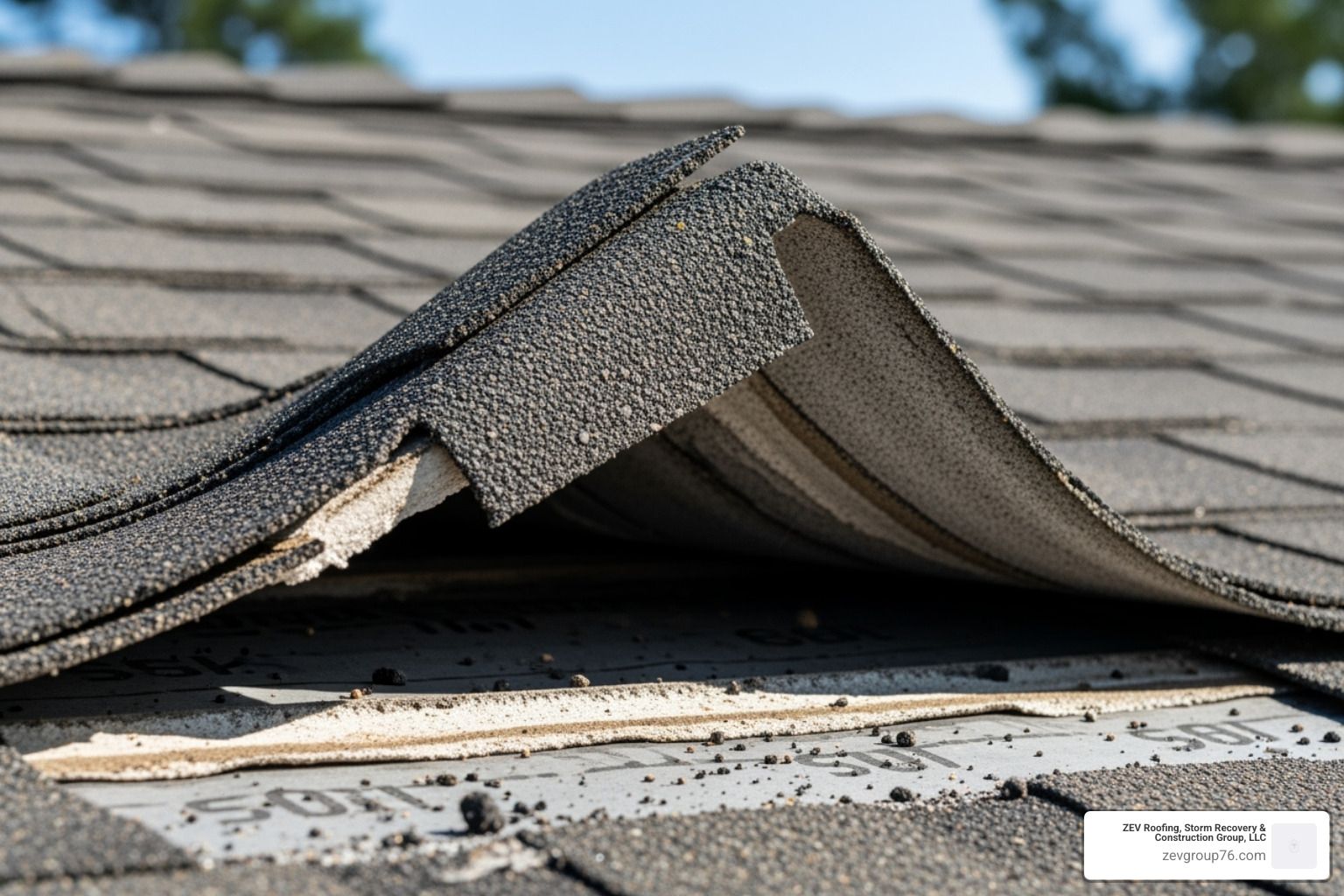
We’ve inspected thousands of properties after New Mexico’s spring storms and summer monsoons, and we’ve learned that the most costly damage often starts small. Those loose granules scattered in your gutters after a windstorm aren’t just harmless debris – they’re your roof’s protective coating being stripped away. When you notice darker patches on your shingles or streaks running down your roof, wind has likely begun compromising your home’s first line of defense.
The subtle signs are often the most important ones to catch early. Small dents on your gutters or siding might seem cosmetic, but they indicate that debris was flying with enough force to cause impact damage elsewhere. If you’ve been hearing unusual rattling from your attic during windy nights, loose flashing or damaged components could be the culprit.
Sometimes your utility bill becomes an unexpected messenger of wind damage. When damaged insulation or compromised seals let conditioned air escape, your energy costs creep upward month after month. It’s not dramatic, but over time, those increased energy bills can signal that wind has found ways into your home’s envelope.
Assessing Your Roof for New Mexico Wind Damage
Your roof bears the full brunt of New Mexico’s winds, from gentle desert breezes to those powerful 80+ mph gusts that roll across the eastern plains. When we climb up for inspections, we’re looking for specific patterns that tell the story of wind’s impact.
Missing shingles are the obvious red flags – entire sections lifted and carried away by powerful updrafts. But we pay just as much attention to curled or cracked shingles that stayed put but got twisted and bent by the wind’s force. These compromised shingles lose their ability to shed water effectively, setting the stage for leaks during our next thunderstorm.
Damaged flashing around chimneys, vents, and skylights often gets overlooked because it’s not as visible as missing shingles. Yet when wind lifts these metal strips even slightly, it creates direct pathways for water to enter your home. Similarly, gutter damage might seem secondary, but when gutters are ripped loose, bent, or dented, they can’t properly channel water away from your foundation.
The granule loss we mentioned earlier deserves special attention here in New Mexico. Our intense UV exposure already challenges roofing materials, and when wind strips away those protective granules, it accelerates aging dramatically. If you suspect damaged shingles on your property, addressing them quickly prevents minor issues from becoming major roof repair projects.
Beyond the Roof: Other Areas to Inspect
Wind doesn’t limit itself to rooftops – it explores every surface of your property, looking for weaknesses to exploit. Loose or cracked siding often results when wind gets underneath panels and pries them away from the house. Once siding loses its tight seal, moisture and pests find easy entry points into your home’s structure.
Window seals take a beating during windstorms, especially when debris impacts the glass or frames. You might notice condensation between window panes or hear whistling sounds during breezy days – both signs that seals have been compromised and energy efficiency has suffered.
Dented gutters and downspouts tell the story of flying debris – everything from small gravel to larger branches becomes projectile material in high winds. Even when gutters stay attached, severe denting can impair water flow and create standing water problems.
Falling tree limbs create some of the most varied damage patterns we see. A single branch can scrape across multiple roof sections, dent gutters, crack siding, and damage fencing in one wind event. The impact points might be scattered across your property, making thorough inspection essential.
Don’t forget about fences and sheds – these structures often serve as early warning systems for wind damage. Their lighter construction makes them more vulnerable, so leaning fence sections or shed damage can indicate that your main house experienced significant wind pressure too, even if the damage isn’t immediately visible.
When we conduct comprehensive post-storm inspections, we examine all these areas systematically. Every dent, crack, and loose component helps us understand the full scope of wind impact on your property, ensuring nothing gets missed in the recovery process.
Your Post-Storm Action Plan: From Safety to Repair
When the winds finally die down and the storm passes, it’s natural to want to rush outside and see what happened to your property. But hold on just a minute – we can’t stress enough how important it is to put safety first. Storm-damaged properties can hide some nasty surprises, and the last thing anyone needs is an injury on top of property damage.
Once you’ve confirmed it’s safe to venture outside, having a clear action plan makes all the difference. We’ve helped hundreds of New Mexico homeowners steer the aftermath of severe wind events, and we’ve learned that taking the right steps in the right order can save you time, money, and a whole lot of headaches.
The key is being systematic about it. Start with safety, then document everything you can see, secure your property from further damage, contact your insurance company right away, and finally get a professional inspection to uncover what you might have missed. Think of it as your roadmap to getting your life back to normal as quickly as possible.
Step 1: Prioritize Safety and Document Everything
Before you step one foot outside, take a moment to scan for immediate dangers. Downed power lines are absolutely deadly – they can still be live even if they’re not sparking. Gas leaks are another serious concern, especially if you smell that distinctive rotten egg odor. If your home looks like it might have structural damage – sagging rooflines, cracked walls, or doors that won’t close properly – it’s time to evacuate and call the professionals.
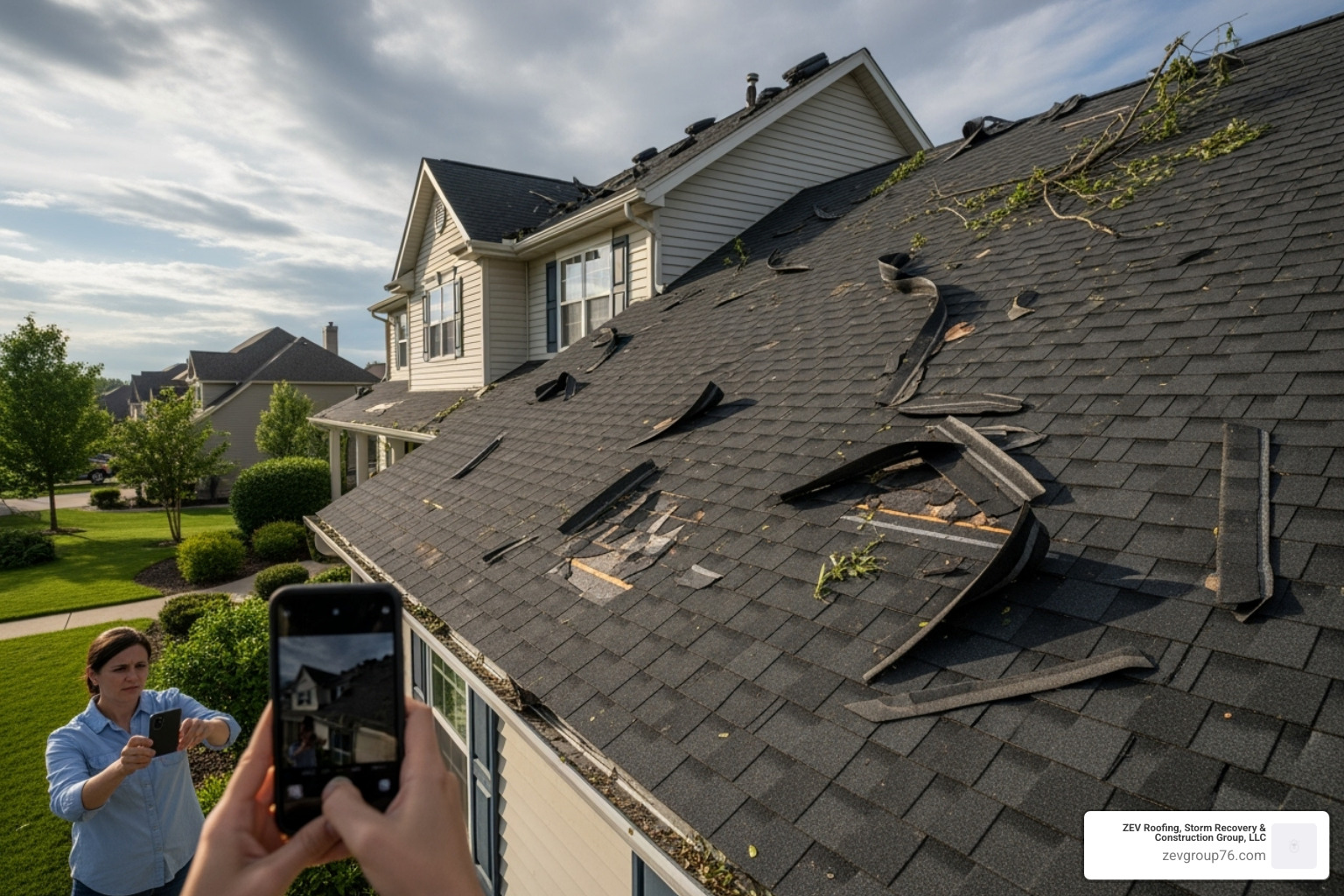
Once you’re sure it’s safe, grab your phone and start taking pictures. We know it might feel overwhelming, but good documentation now will make your insurance claim so much smoother later. Take wide shots first to show the overall scene, then get up close for the details. Don’t forget to photograph things that might seem minor – that loose piece of siding or those granules in your gutters could be signs of significant New Mexico wind damage.
If you spot any areas where water could get into your home, like missing shingles or broken windows, you’ll want to make some temporary fixes right away. Tarps, plywood, and plastic sheeting can be lifesavers for preventing water damage. Just make sure to keep every receipt – your insurance company will likely reimburse you for these emergency materials. Quick leak prevention measures can save you thousands in additional damage down the road.
Step 2: Secure a Professional Assessment
Here’s where many homeowners make a costly mistake – they assume they’ve spotted all the damage themselves. The truth is, wind damage can be sneaky. What looks like a small problem on the surface might actually indicate major structural issues underneath. That’s exactly why we recommend getting a thorough professional evaluation as soon as possible.
A qualified contractor knows exactly what to look for and where to look for it. We’ve seen cases where homeowners missed thousands of dollars in covered damage simply because they didn’t know the subtle signs to watch for. Hidden damage in areas like your attic, behind siding, or in your home’s structural components can become major problems if left unaddressed.
The comprehensive report from a professional roof inspection becomes your best friend when dealing with insurance adjusters. It provides detailed documentation of all wind-related damage, complete with photos and repair recommendations. This isn’t just helpful – it’s essential for maximizing your insurance claim and ensuring nothing gets overlooked.
When you’re facing the possibility of major repairs, choosing the right contractor makes all the difference. You want someone who understands New Mexico’s unique weather challenges, knows local building codes inside and out, and has experience working with insurance companies. The same principles that make a contractor qualified for major work anywhere apply right here in New Mexico – expertise, reliability, and a commitment to getting your home back to its pre-storm condition.
Navigating Insurance and Repairs for New Mexico Wind Damage
When New Mexico wind damage strikes your property, the path forward might seem overwhelming at first. But here’s the thing – you don’t have to steer this journey alone. We’ve walked this road with countless homeowners and business owners, and we know exactly how to turn a stressful situation into a smooth recovery process.
Your first move after documenting the damage is getting familiar with your homeowner’s insurance policy. Take a close look at your coverage limits, deductibles, and any specific requirements for filing wind damage claims. The good news? Most standard homeowner’s policies do cover wind damage. The not-so-good news? The details can vary quite a bit between policies, and the fine print matters.
If you’re scratching your head trying to decode insurance language, don’t worry – we speak fluent insurance and can help you understand exactly what you’re working with.
Filing your claim starts with a call to your insurance provider. You’ll share your documentation with them and schedule a visit from an insurance adjuster. This person will assess the damage on behalf of your insurance company. This moment is absolutely critical, and it’s where having an experienced contractor in your corner can make the difference between a fair settlement and leaving money on the table.
When it comes to the actual repairs, whether you need a straightforward roof repair or a complete roof replacement, choosing the right contractor sets the tone for your entire recovery. Our comprehensive storm recovery services take you from that initial damage assessment all the way through to your final walkthrough, ensuring your home comes back stronger than before.
The Role of a Qualified Contractor in Your Claim
This is where ZEV Roofing & Construction really makes a difference in your storm recovery journey. We don’t just show up after your claim is approved – we’re your partner from day one, working alongside insurance adjusters to make sure every bit of damage gets properly documented and accounted for.
Why does this matter so much? Because insurance adjusters, while knowledgeable, might not catch every subtle sign of wind damage that our trained eyes spot immediately. They might miss that compromised flashing around your chimney or overlook granule loss that seems minor but actually signals significant shingle damage. Our job is to ensure your claim captures the full scope of necessary repairs.
We handle the technical conversations with your insurer, provide detailed estimates that align with insurance standards, and advocate for you throughout the entire process. This means you get to focus on what matters most – getting your life back to normal – while we handle the paperwork, phone calls, and back-and-forth with the insurance company.
Our goal is simple: maximize your claim so you can fully restore your property to its pre-storm condition, or even better.
Completing the Restoration
Once your claim gets the green light, the real change begins. At ZEV Roofing & Construction, we take pride in using quality materials and delivering expert craftsmanship that stands up to whatever New Mexico weather throws your way. Whether we’re replacing a handful of damaged shingles or tackling a complete roof overhaul, every detail gets our full attention.
We stand behind our work with a workmanship warranty because we believe in the quality of what we deliver. Our process includes a thorough final inspection where we walk through every aspect of the work with you, ensuring everything meets both our high standards and your complete satisfaction.
The end result isn’t just repairs – it’s long-term protection for your home and peace of mind for your family. When the next wind event rolls through New Mexico, you’ll know your property is ready for whatever nature has in store.
Frequently Asked Questions about Wind Damage
When it comes to New Mexico wind damage, we get a lot of questions from homeowners. It’s completely understandable – dealing with storm damage can be stressful, and having clear answers helps you make the right decisions for your property and family.
How often does damaging wind occur in New Mexico?
If you think damaging winds are rare in New Mexico, you might be surprised by the actual numbers. While our state averages about 10 tornadoes per year, the real concern comes from straight-line thunderstorm winds, which happen much more frequently.
Here’s what’s particularly interesting: the data shows a significant jump in these events over recent decades. We used to see about 26 thunderstorm wind events annually back in the 1980s and 1990s. But in the past 10 years, that number has climbed to 80 reported events per year – that’s more than triple the historical average.
Most of this activity happens across the eastern plains during spring months (April through June), but don’t think you’re safe if you live elsewhere. During our summer monsoon season (July and August), these damaging wind events spread across the entire state. Whether you’re in Albuquerque, Santa Fe, or Las Cruces, strong thunderstorm winds can impact your property.
What’s the first thing I should do if I suspect wind damage?
We always tell our customers: safety first, documentation second. After a storm passes, resist the urge to immediately climb up on your roof or rush outside. Take a moment to check for immediate hazards like downed power lines, gas leaks, or obvious structural damage to your home.
Once you’ve confirmed it’s safe to venture outside, grab your phone and start documenting everything from the ground. Take clear photos and videos of all visible damage from multiple angles – wide shots to show the overall impact, then close-ups of specific problem areas. This visual evidence becomes crucial for your insurance claim.
Here’s what we can’t stress enough: never climb on your roof yourself. It’s dangerous under the best circumstances, and potentially deadly after storm damage. Instead, contact us for a professional roof inspection. We have the proper safety equipment and training to safely assess the full extent of damage, including issues that aren’t visible from ground level.
Will my homeowner’s insurance cover wind damage?
The good news is that most standard homeowner’s insurance policies do cover wind damage. The not-so-simple part is that coverage details can vary significantly between policies and insurance companies.
Your deductibles, coverage limits, and claim requirements might be different from your neighbor’s, even if you have the same insurance company. Some policies have separate wind and hail deductibles, while others lump everything together. It’s worth taking time to review your policy thoroughly – or better yet, let us help you understand what’s covered.
This is where working with an experienced storm recovery contractor like ZEV Roofing & Construction makes a real difference. We’ve worked with dozens of insurance companies and understand their processes inside and out. We help ensure that all damage is properly documented and accounted for in your claim, communicate directly with adjusters, and work to maximize your settlement so you can fully restore your property.
The insurance claims process doesn’t have to be overwhelming when you have the right team on your side.
Conclusion
Living in the Land of Enchantment means accepting that New Mexico wind damage is part of life here. Whether it’s those rare but powerful tornadoes or the much more common straight-line winds that sweep across our plains, our homes face regular challenges from Mother Nature’s fierce gusts.
We’ve covered a lot of ground together – from understanding why our unique geography creates such dynamic wind patterns to recognizing those sneaky signs of damage that might be hiding in plain sight. The reality is that with thunderstorm wind events increasing from 26 annually a few decades ago to 80 in recent years, being prepared isn’t just smart – it’s essential.
Storm preparedness starts with knowledge, and now you have the tools to spot potential issues before they become major headaches. Regular proactive maintenance of your roof, gutters, and siding can save you thousands down the road. But when those powerful spring storms roll across the eastern plains or summer monsoons bring their intense winds statewide, even the best-maintained homes can take a hit.
That’s where we come in. At ZEV Roofing, Storm Recovery & Construction Group, LLC, we’ve seen it all – from subtle granule loss that homeowners miss to catastrophic damage from those once-in-a-decade strong tornadoes. We don’t just patch holes and call it a day. We provide comprehensive professional repair services that restore not just your property, but your peace of mind.
Our team knows how to work with insurance companies, spot hidden damage that adjusters might miss, and deliver the quality craftsmanship that stands up to New Mexico’s challenging weather. From your initial call through the final inspection, we’re with you every step of the way.
Don’t wait until small problems become big ones. When wind damage strikes your property, you need experts who understand both New Mexico weather and the complexities of storm recovery. Get help with your storm damage repair today, and let us help you get back to enjoying all the beauty this state has to offer – without worrying about your roof.