
Why Leak Prevention Matters for Every Property Owner
Leak prevention is a critical strategy for protecting your property from water damage through regular inspections, proactive maintenance, smart technology, and prompt repairs. Understanding how to stop leaks before they escalate can save you thousands of dollars and prevent serious structural damage.
Essential Leak Prevention Strategies:
- Inspect regularly – Check high-risk areas like toilets, water heaters, appliances, roofs, and gutters monthly
- Install smart technology – Use leak detection systems with automatic shut-off valves for 24/7 monitoring
- Maintain your systems – Replace worn fixtures, tighten connections, and service appliances on schedule
- Act immediately – Shut off water and call professionals when you detect any leak
- Monitor your water bill – Unexplained increases often signal hidden leaks
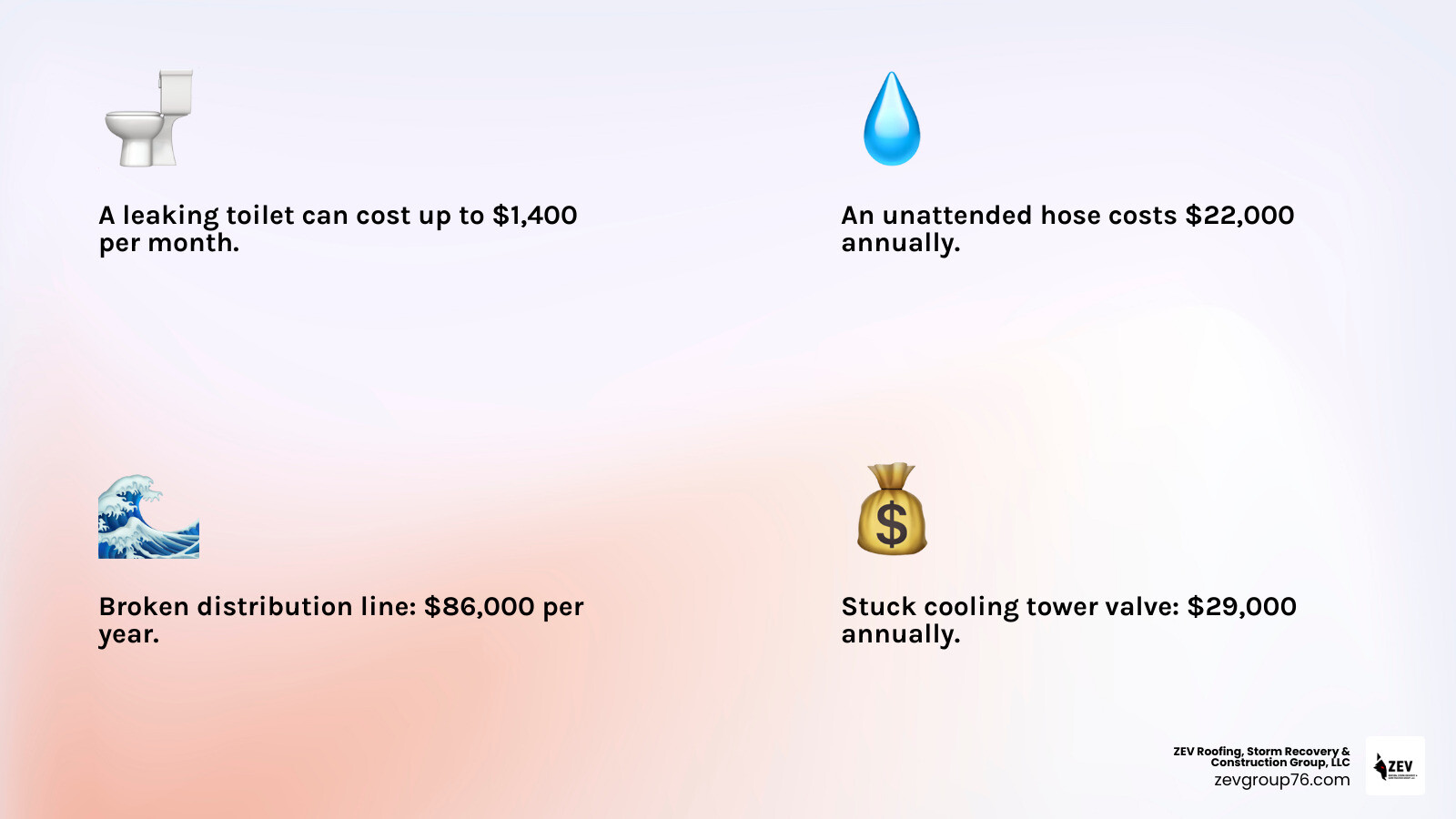
The financial stakes are staggering: a single leaking toilet can cost up to $1,400 per month, while a broken distribution line can lead to losses of $86,000 per year.
Beyond water waste, unchecked leaks cause permanent structural damage to foundations and walls and create ideal conditions for mold growth, which poses serious health risks. In commercial settings, they can also release harmful volatile organic compounds (VOCs).
Most leaks start small and hidden. By the time you notice water stains or musty odors, significant damage has often already occurred. This is why a proactive approach to leak prevention is essential.
I’m Eli Hita, Managing Partner of Zev Roofing, Storm Recovery & Construction Group, LLC. With over 15 years of experience protecting West Texas properties from water intrusion, I’ve learned that the best leak prevention combines routine maintenance, quality materials, and modern detection technology.
Leak prevention vocab to learn:
Understanding the Enemy: Common Sources and Consequences of Leaks

Water leaks often start small and go unnoticed until severe damage is done. Understanding their common sources and consequences is key to effective leak prevention.
Common Leak Sources in Homes and Businesses
Leaks have favorite hiding spots. While some are obvious, most are hidden.
Your plumbing system is a prime suspect. A faulty toilet can silently waste up to 3.0 gallons per minute, costing $1,400 per month. Dripping faucets and showerheads also waste hundreds of gallons. Check appliances like dishwashers and washing machines, as their water connections can fail. Water heaters are vulnerable to corrosion, and hidden pipes can develop pinhole leaks. We often address specialized issues like a Backflow Preventer Leaking From Vent, where prompt action is critical.
Your building envelope is another critical area. The roof is a primary defense but is highly vulnerable. We handle many Roof Repair calls for issues like Damaged Shingles, especially after storms. Gutters are also critical; if clogged, water can pool around your foundation. Properly installed Seamless Aluminum Gutters and regular Gutter System Maintenance are essential.
Other vulnerable spots include chimneys and skylights, where failed flashing or seals require professional services like Chimney Flashing Repair or Skylight Leak Repair. Foundations and exterior walls can also crack and allow water intrusion.
The Hidden Costs of Unchecked Leaks
The visible water damage is often just the start. The true consequences affect your finances, property structure, and health.
The financial drain is immediate, showing up on high utility bills. A drip irrigation malfunction can cost $5,700 annually. If over 10% of your water use is unaccounted for, you likely have a leak. Expensive repairs follow, including replacing drywall, flooring, and electrical systems. A Roofing Cost Estimate for a water-damaged section can be thousands. Chronic leaks also diminish property value.
Structural damage is a severe consequence. Wood rot can compromise framing and subflooring, requiring major work like Roof Decking Repair. Water pooling near the foundation leads to expensive foundation cracks. Other materials suffer too—drywall crumbles, paint peels, and flooring warps.
Health hazards are also a major concern. Damp conditions lead to mold growth, which can cause respiratory problems and allergies. Our guide on how to Prevent Mold Growth explains the importance of quick action. In commercial settings, leaks can also release harmful volatile organic compounds (VOCs).
A small leak today can become a major disaster. Leak prevention protects your investment, health, and peace of mind.
Proactive Leak Prevention: Best Practices for Your Property
A proactive approach is the best way to handle leak prevention. Most leaks are preventable with a practical plan involving routine maintenance and smart upgrades.
Routine Maintenance and Inspections
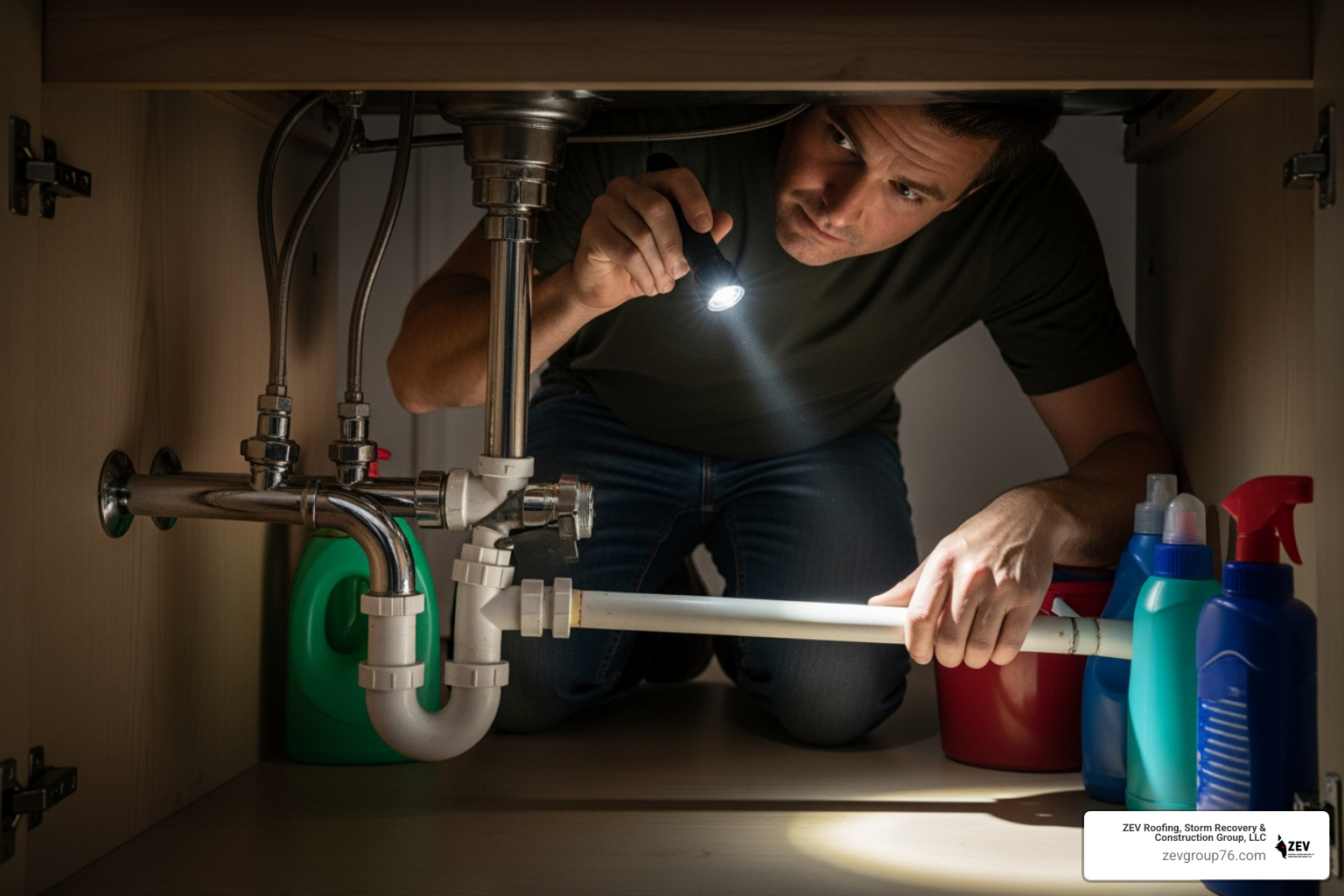
Regular property maintenance is crucial for leak prevention. Conduct seasonal inspections, especially before and after extreme weather. Use a flashlight to check under sinks, around toilets, and near appliances for moisture, drips, or musty smells.
Inspect appliance hoses annually for cracks or bulges, and replace old rubber hoses with more durable braided stainless steel versions. Gutter System Maintenance is vital, as clogged gutters lead to foundation damage. Clean them at least twice a year.
Roof inspections are non-negotiable. Twice a year and after major storms, check for Damaged Shingles or compromised flashing. For safety, consider a professional inspection. Also, check your water pressure; if it exceeds 80 psi, a pressure-reducing valve can protect pipes and fixtures. Finally, regularly inspect and replace deteriorated caulking and seals around tubs, sinks, and windows.
The EPA’s WaterSense guidance on leak repair confirms that proactive leak detection and repair prevents significant water waste.
Smart Upgrades for Effective Leak Prevention
Strategic upgrades boost your property’s resilience and pay for themselves by preventing costly repairs. When renovating, choose durable materials like PEX piping. For businesses, Commercial Building Waterproofing is a smart investment that prevents structural issues.
Pressure-reducing valves protect your plumbing system from high pressure that causes leaks. Addressing the root cause of corrosion can help you learn How to Prevent Pinhole Leaks in Copper Pipes. Professional installation is also critical, as an improperly installed fixture will leak. For any Exterior Home Repair, our team ensures quality craftsmanship.
Implementing a Leak Detection and Repair (LDAR) Program
A Leak Detection and Repair (LDAR) program is a simple, organized approach for any property. Conduct periodic water audits; an unexplained increase in your water bill often signals a hidden leak. Reading your water meter can also detect leaks. Turn off all water, note the meter reading, and check it again after an hour. If it changed, you have a leak.
For businesses, a water balance assessment can identify leaks if more than 10% of water use is unaccounted for. Educating occupants to report signs of water helps prevent minor issues from escalating. Commercial facilities should have a clear reporting system for potential leaks to ensure fast action.
Key Steps for a Home LDAR Plan:
- Monthly Meter Check: Read your water meter at night, then again in the morning before using any water. If the reading changed, you have a leak.
- Toilet Dye Test: Drop food coloring in your toilet tank. If color appears in the bowl after 15-30 minutes without flushing, you have a silent leak.
- Visual Walkthroughs: Regularly check all visible pipes, faucets, and appliance connections for drips or corrosion.
- Listen for Sounds: When all fixtures are off, listen for running water—a common sign of hidden leaks.
- Check Exterior: Inspect outdoor spigots, irrigation systems, and look for wet spots in your yard that don’t dry.
- Review Water Bills: Compare bills month-to-month and year-over-year to spot unusual usage patterns.
The Role of Technology in Modern Leak Detection
Technology has revolutionized leak prevention, allowing us to detect problems instantly and avoid costly damage. As documented by the Alliance for Water Efficiency, these systems are essential for modern property management.
Key Technologies for Advanced Leak Prevention
Understanding your options helps you choose the right protection for your property.
- Passive alarms (spot detectors) are affordable, battery-operated sensors placed in high-risk areas. They sound an alarm when they detect water but require someone to be present to take action.
- Active systems with automatic shut-off are the gold standard. These whole-house monitors connect to your main water line, learn your usage patterns, and automatically shut off the water supply when they detect an anomaly.
- Flow-based detectors analyze water usage in real-time to identify anomalies like a constantly running toilet or a slow drip. Many also offer freeze warnings.
- Acoustic sensors ‘listen’ for the sound of water escaping from pipes, helping professionals pinpoint hidden leaks.
- Smart water monitors connect to Wi-Fi, sending instant alerts to your smartphone about high usage or potential freezes. You can monitor and control your system remotely.
- Automatic shut-off valves are the key component that provides active protection. When a leak is detected, these motorized valves close automatically, stopping water flow.
- Z-Wave technology is often used to create a reliable wireless mesh network for communication between sensors and the main hub.
Benefits and ROI of Leak Detection Technology
A leak detection system is an investment, not an expense. Key benefits include:
- Round-the-clock monitoring protects your property 24/7, which is invaluable for any property, especially second homes or rentals.
- Peace of mind comes from knowing your property is protected from water damage, whether you’re home or away.
- Preventing catastrophic damage provides the clearest ROI. A system costing $300-$2,000 can prevent tens of thousands of dollars in damage.
- Insurance discounts are often available for homes with these systems, helping to offset the initial cost.
- Water conservation is another key benefit, preventing waste in water-scarce regions like West Texas and Eastern New Mexico.
- The return on investment is clear: preventing just one major leak makes the system pay for itself many times over.
Integrating and Maintaining Your System
These systems integrate easily and require minimal maintenance. Smart home hubs and Building Management Systems (BMS) allow for seamless integration and centralized control. App notifications provide real-time, detailed alerts to your smartphone.
Maintenance is simple: perform periodic battery checks on wireless sensors, occasional sensor cleaning, and run system tests to ensure all components are working correctly.
For comprehensive leak prevention that combines traditional expertise with modern technology, our team helps property owners implement complete water protection strategies. Learn more about our comprehensive Leak Prevention services.
Responding to Leaks: From Detection to Repair
Even with the best leak prevention plans, leaks can occur. A quick, effective response can mean the difference between a minor issue and a major disaster, a lesson we’ve learned from our Storm Damage Repair Service Guide.
Immediate Steps After Finding a Leak
If you find a leak, stay calm and act fast to minimize damage.
- Shut off the main water supply. Know its location beforehand—typically in a basement, crawl space, or near the water heater.
- Contain the water using buckets and towels to prevent it from spreading.
- Document the damage with photos and videos for your insurance claim.
- Remove standing water as quickly as possible using mops or a wet/dry vacuum.
- Promote drying by opening windows and using fans and dehumidifiers to prevent mold and rot.
When to Call a Professional for Repairs
While some fixes are DIY-friendly, many water damage situations require professional expertise.
- Hidden leaks: If your water bill spikes or you see unexplained stains, you need specialized equipment to locate the source without unnecessary demolition.
- Structural damage: If water compromises your property’s structure, such as causing wood rot, you need an expert. Our team handles complex jobs like Roof Decking Repair and can act as your General Contractor to manage the restoration.
- Major pipe bursts: These require immediate professional help for proper repair and damage mitigation.
- Electrical hazards: If water reaches electrical outlets, shut off the power at the circuit breaker and call a professional immediately. This is a serious safety hazard.
- Persistent roof leaks: Especially after storms, a professional assessment is crucial to ensure a proper, lasting repair.
Navigating Insurance Claims for Water Damage
Navigating insurance claims can be stressful, but being organized and proactive helps.
Understand your policy before you need it. Know what’s covered (e.g., sudden bursts vs. gradual leaks) and what your deductible is. Documentation is critical; keep photos, videos, receipts, and notes to support your claim. File your claim promptly, as most policies require timely notification.
Be present for the insurance adjuster’s assessment. Having a trusted contractor with you can ensure all damage is properly identified. Our My Step-by-Step Guide to Filing Roof Repair Insurance Claims offers detailed insights. We also provide Roof Insurance Claim Help to advocate for you throughout the process.
Frequently Asked Questions about Leak Prevention
Here are answers to the most common questions we receive about leak prevention.
How often should I inspect my property for potential leaks?
Consistency is key for effective leak prevention. Perform a quick visual check of high-risk areas (under sinks, around toilets) monthly. Conduct a more thorough inspection of your roof, plumbing, and appliances twice a year (spring and fall) and after any severe weather. This small time investment can save you thousands, as even a small leak can cost over $5,700 annually.
Are smart leak detectors worth the cost?
Yes, absolutely. For most property owners, they are a worthwhile investment. A system may cost $500 to $2,000, but a single water damage incident can cost $10,000 to $50,000 or more. These systems provide 24/7 monitoring and can automatically shut off your water, preventing catastrophic damage even when you’re away. Many insurance companies also offer premium discounts for homes with these systems, helping to offset the initial cost.
What is the first thing I should do if I find a major leak?
When you find a major leak, your first and most critical action is to shut off the main water supply. This stops the flow and prevents further damage. Know the location of your main shut-off valve before an emergency occurs. It’s often in a basement, crawl space, or near the water heater. Once the water is off, you can proceed with containing the water, documenting the damage, and calling for professional help. For a roof leak after a storm, contain the water, document the damage, and call for emergency repairs immediately.
Your Partner in Property Protection
Water damage often starts as a small drip and grows into a costly disaster. As we’ve covered, effective leak prevention rests on three pillars: proactive maintenance, smart technology, and swift response.
The costs are staggering, with leaks potentially costing thousands annually. Beyond finances, water damage threatens your property’s structure and creates health risks like mold. Regular inspections and strategic upgrades create a strong defense against leaks. Smart leak detectors provide 24/7 monitoring and automatic shut-off, offering an excellent return on investment by preventing a single major leak.
If a leak occurs, respond quickly: shut off the water, document the damage, and call professionals for issues involving hidden leaks, structural damage, or electrical hazards.
For over 15 years, ZEV Roofing, Storm Recovery & Construction Group, LLC has protected properties across West Texas and Eastern New Mexico. Our comprehensive approach addresses every vulnerability, from durable Commercial Roofing systems to emergency repairs. We are your partners in protecting your property, offering expert craftsmanship custom to your unique needs.
Don’t wait until a small leak becomes a major crisis. Learn more about our comprehensive Leak Prevention services and find how we can help safeguard your property for years to come. Your peace of mind is just a call away.