
Why a Small Drip is a Big Deal
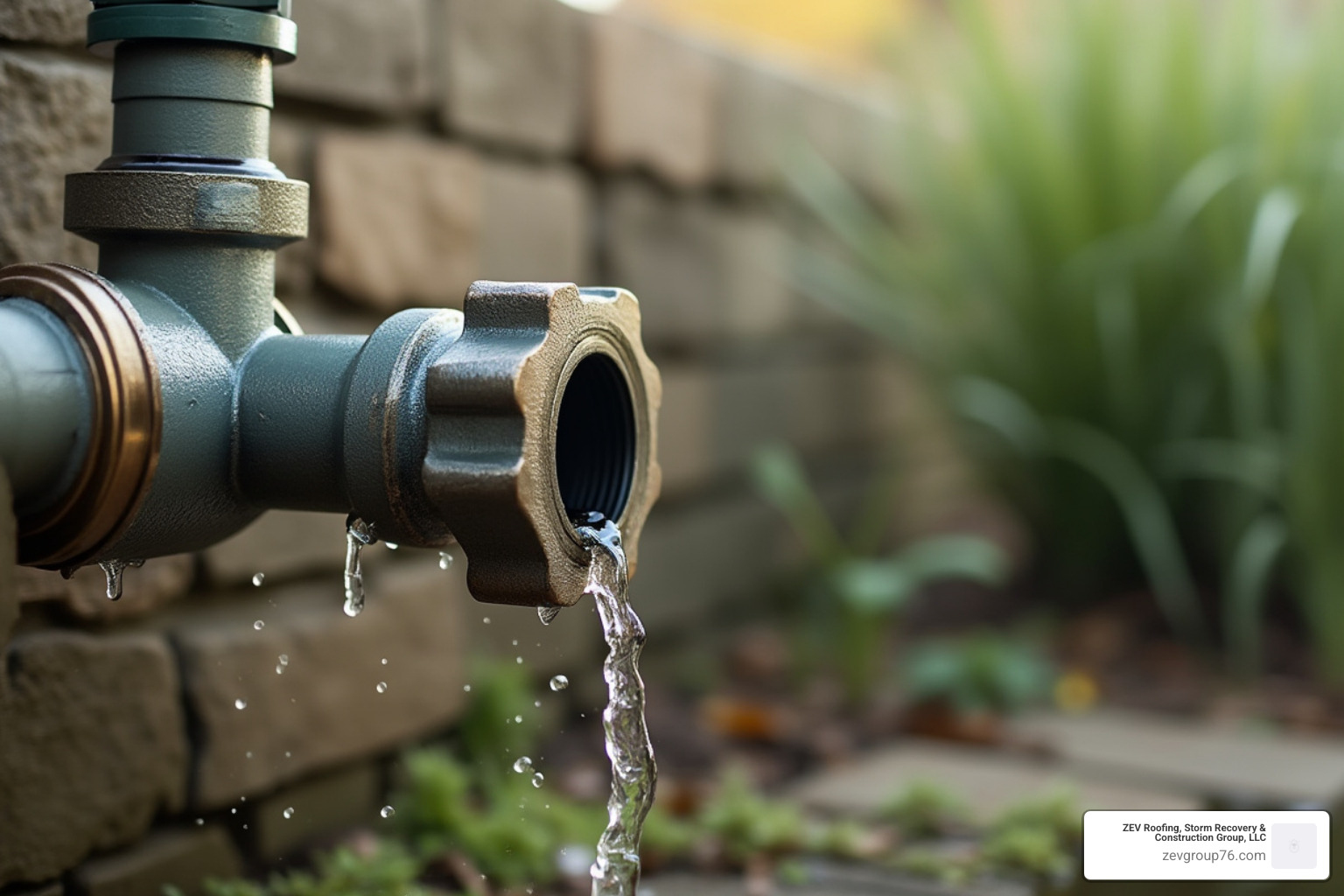
If you’re dealing with an irrigation backflow preventer leaking, here’s what you need to know:
Common Causes:
- Worn-out washer seals or gaskets
- Debris buildup in valve components
- Damaged internal springs
- Freeze damage from poor winterization
- Incorrect installation or placement
Immediate Actions:
- Turn off your main water supply
- Check the washer seal in the female connection
- Remove debris from the spring assembly
- Replace worn components with a rebuild kit
- Call a professional if water is gushing or you’re unsure
That small drip from your sprinkler system’s backflow preventer isn’t just annoying—it’s dangerous. A backflow preventer is crucial for protecting your drinking water from contamination by stopping irrigation water from flowing backward into your home’s clean supply.
When these devices leak, they fail to do their job. Contaminated water with fertilizers, pesticides, and bacteria can enter your potable water system, risking your family’s health. A leaking backflow preventer can even contaminate the community water supply.
The good news is that most leaks are fixable with basic tools and parts. Whether it’s a worn washer, debris, or damaged internal components, you can often stop the leak yourself.

At ZEV Roofing, Storm Recovery & Construction Group, LLC, we know property maintenance includes vital systems like irrigation. This guide will help you understand, troubleshoot, and repair your irrigation backflow preventer leaking problem.
Spotting the Problem: Signs of a Failing Backflow Preventer
A failing backflow preventer will show some telltale signs. The most obvious is visible water pooling or damp ground around the device. This indicates your irrigation backflow preventer leaking from the valve body, connections, or relief ports.
Constant dripping is another clear sign. While a small drip when the system shuts down is normal pressure release, a continuous drip points to a problem like a worn seal, debris, or improper installation.
Pay attention to sudden drops or spikes in water pressure, which can also indicate a failing backflow preventer. Failing internal components struggle to regulate water flow, causing these pressure changes.
Hissing or gurgling noises are also bad signs. Hissing indicates escaping water or air, while gurgling suggests air in the system or a blockage.
Don’t ignore rust and corrosion, as they are warning signs of weakened components that will eventually fail.
The most serious sign is discolored water from your sprinklers. Murky, smelly, or colored water means the backflow preventer has failed, and contaminated water may be entering your drinking water supply. Take immediate action.

Catching these problems early saves money on your water bill and protects your family’s health. The sooner you spot the signs, the easier the fix will be.
Common Causes of an Irrigation Backflow Preventer Leaking
Understanding the cause of your irrigation backflow preventer leaking is the first step to a proper fix.
Worn-out seals and gaskets are the most common cause. Over time, these rubber parts dry out, crack, and fail under constant pressure. While a backflow preventer can last 5-10 years, its seals often fail sooner.
Debris and sediment buildup can also clog the device. Dirt, sand, and mineral deposits can get stuck in check valves or seals, preventing a proper seal and causing leaks.
Worn internal springs are another issue. These are vital for closing valves and maintaining pressure. If they corrode, weaken, or break, the valve won’t seal correctly, often causing drips from the relief valve.
In Texas and New Mexico, freeze damage from improper winterization is common. Frozen water expands, cracking the device body or internal parts. Leaks after winter often point to freeze damage.
High water pressure spikes (water hammer) can damage the device by stressing components, dislodging seals, or cracking the body. Consistently high pressure also causes premature wear.
Incorrect installation can cause problems from the start. Overtightening connections, using the wrong sealants, or incorrect placement (e.g., before a timer) can lead to leaks and damage.
When these devices fail, they typically break down at predictable spots:
- Relief valve problems usually stem from worn springs, debris, or misaligned parts
- Vent leaks point to failing internal diaphragms or excessive pressure
- Check valve issues allow backward water flow when debris prevents proper sealing
- Bonnet and poppet assembly wear creates sealing problems throughout the system
Now that we know what went wrong, let’s roll up our sleeves and fix that irrigation backflow preventer leaking problem once and for all!
DIY Fixes: Your Step-by-Step Guide to Stopping the Leak
Ready to fix your irrigation backflow preventer leaking? Many common issues are manageable with basic tools and patience. Be methodical, as you’re working with your water supply.
Step 1: Preparation and Safety
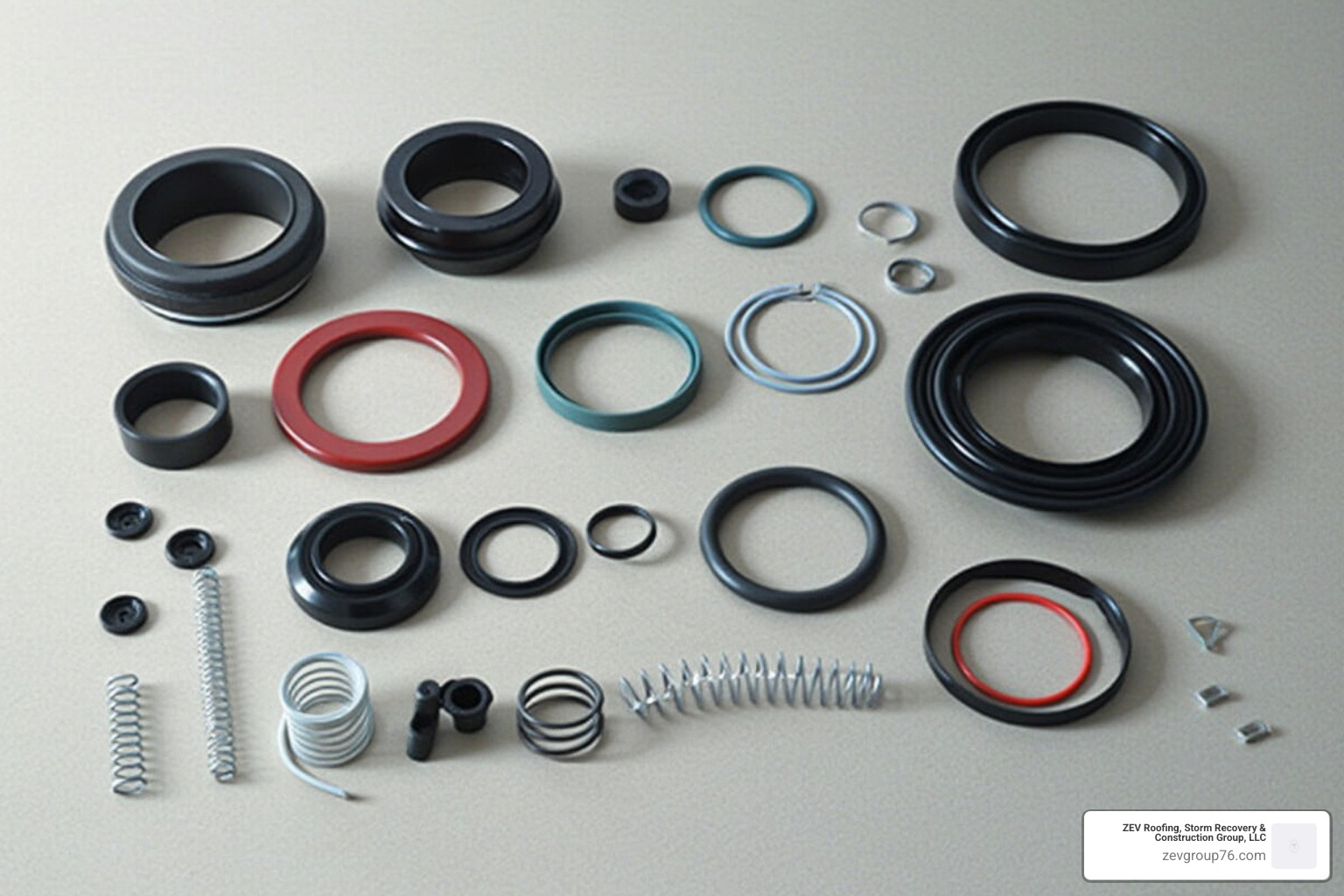
Before starting, prepare your workspace. Safety first: assess the area for hazards, especially near electrical components. Shut off the main water supply to the irrigation system or the entire house. Gather your tools: you’ll need a flathead screwdriver, an adjustable wrench, a small brush or rag, and a bucket. Get a replacement parts kit (rebuild kit) for your specific model before you start to avoid delays.
Step 2: Disassembly and Inspection
With the water off, it’s time to inspect the device. Release residual pressure by carefully opening test cocks or relief valves. Next, remove the bonnet or access cover. Pro tip: Take a photo before disassembly and lay out internal components like the poppet, springs, and diaphragms in the order you remove them to simplify reassembly. Examine everything for cracks, especially if you suspect freeze damage. A cracked main body requires replacement, not repair. Inspect all rubber O-rings and washer seals for wear, cracks, or flattening. Finally, check for debris that could prevent a proper seal.
Step 3: How to Address an Irrigation Backflow Preventer Leaking
Now for the fix. Thoroughly clean all parts with a brush and water, removing any dirt or mineral buildup. Ensure check valve seating surfaces are pristine. Use the rebuild kit to replace all worn components like O-rings, seals, and springs, ensuring they are identical and correctly placed. Pro tip: Apply a light coat of silicone-based plumber’s grease to new O-rings to improve the seal. Reassemble carefully by reversing the disassembly steps, using your photo as a guide. When reattaching the bonnet, hand-tighten first, then use a wrench to snug it securely. Do not overtighten. For most union connections, hand-tight plus a half to three-quarters turn is sufficient.
If you’re more of a visual learner, this video guide can walk you through some common repair scenarios: What to Do if Your Irrigation Backflow Device is Leaking
Step 4: Testing Your Repair
Time to test your work. Slowly turn the water supply back on to avoid pressure spikes that could damage the repair. As the system pressurizes, check for any new leaks or drips, especially around replaced components. Once you’re confident there are no leaks, run your irrigation system through a full cycle to test the repair under operating pressure. Monitor the repair for the next few hours. If it continues to leak, re-inspect your work or consider calling a professional. There’s no shame in calling for help if a simple fix reveals bigger problems.
Prevention and Professional Help
Staying ahead of irrigation backflow preventer leaking problems is crucial for protecting your drinking water.
Preventing Future Irrigation Backflow Preventer Leaking
The best leak is one that never happens. Here’s how to keep your backflow preventer in top shape.
Regular inspections are key. As part of your seasonal routine, check the backflow preventer for warning signs. A quick glance can catch problems early.
Proper winterization is critical in Texas and New Mexico. Before a freeze, completely drain your irrigation system by shutting off the water, opening drain valves, and blowing out the lines. Wrap your backflow preventer with foam pipe insulation for extra protection. If you’ve already experienced storm damage, our team at ZEV Roofing & Construction specializes in Storm Damage Repair, and we know extreme weather affects multiple systems.
Annual professional testing is a worthwhile investment, and often required by cities. A certified technician can spot hidden problems and ensure your device meets local codes.
Also, be aware of your water quality. Hard water or sediment wears down internal components faster, so regular cleaning or a filter can extend the device’s life.
For more detailed information about backflow preventers and their role in protecting public health, check out this overview of backflow preventers from the EPA.
When to Call a Professional
While DIY is great, some situations require an expert. Knowing when to step back can save you time and money.
If you see major gushing leaks, turn off your main water supply and call a licensed plumber immediately. This is an emergency requiring professional help.
If you’re unsure about the cause or repair, it’s best to call a professional. These devices are complex, and a mistake can worsen the problem.
Some repairs require specialized tools that homeowners don’t have, like testing equipment for Reduced Pressure Zone Assemblies.
Local regulations in Texas and New Mexico, including areas we serve like Lubbock and Plainview, often require certified technicians for backflow preventer work to protect the community’s water supply.
If your device is over 10 years old and leaking, replacement is often more sensible than repeated repairs.
Ignoring a leak risks contaminated drinking water, posing serious health risks. Local authorities may also issue hefty fines for non-compliance, and even a small drip can waste hundreds of gallons monthly, increasing your water bill.
At ZEV Roofing & Construction, we understand that protecting your home means looking at all the systems that keep your family safe. While we focus on keeping weather out from above, we know how important it is to keep your water clean from below. For complex plumbing issues beyond basic maintenance, we recommend working with licensed professionals in your area. You can learn more about our comprehensive approach to home protection at our services page.
Frequently Asked Questions about Leaking Backflow Preventers
Here are answers to common questions about an irrigation backflow preventer leaking.
Why is my backflow preventer leaking from the vent?
A leak from the vent usually indicates an internal problem, most often a failing internal diaphragm. This flexible barrier maintains pressure, and when it’s old or torn, it allows water to escape. Another cause is debris stuck in the vent valve, preventing it from closing completely.
Some devices release a small amount of water during normal pressure changes, like when the system shuts off. However, a constant flow indicates a problem that needs attention.
Is a small, constant drip from my backflow preventer normal?
No, a small, constant drip is not normal and signals a problem. The cause is usually a worn washer seal or debris caught in the valve preventing a tight seal. Another possibility is incorrect placement in your irrigation system, such as before a timer, which creates constant pressure.
While some drips upon shutdown are normal, a constant drip wastes water, increases your bill, and means your device may not be protecting your water supply properly.
How long should a backflow preventer last?
A well-maintained backflow preventer typically lasts 5 to 10 years, but several factors affect its lifespan. Water quality is a major factor; hard water or sediment wears down internal components faster. The water hammer effect—sudden pressure spikes—also puts tremendous stress on the device.
However, proper maintenance like regular inspections, annual testing, and replacing small parts can help it last 10 years or more. If your device is approaching 8-10 years old and showing wear, consider planning for a replacement instead of dealing with constant leaks from an aging system.
Protect Your Water and Property
You now have the knowledge to tackle an irrigation backflow preventer leaking problem. Your backflow preventer is your family’s first line of defense against contaminated water. A leak puts everyone at risk.
Fixing these leaks protects your health by keeping contaminants out of your drinking water. It also saves you money on water bills and prevents property damage. Plus, you’re protecting the community’s water supply.
Sometimes a simple DIY fix is enough, but knowing when to call a professional is key.
At ZEV Roofing, Storm Recovery & Construction Group, LLC, we understand that protecting your property means looking at the big picture. Just like that backflow preventer guards your water supply, we’re here to guard your entire investment. Whether it’s storm damage that’s left your roof vulnerable or mysterious leaks that have you scratching your head, we’ve got the expertise to help.
Our team serves families and businesses across Texas and New Mexico, from Lubbock to Shallowater, Plainview and beyond. We know the unique challenges our climate brings – those unexpected freezes that can crack your backflow preventer, the storms that can damage multiple systems at once.
For comprehensive protection against all types of property damage, learn about our Leak Prevention services. Because at the end of the day, we’re not just fixing problems – we’re preventing them. From the smallest irrigation drip to the biggest storm recovery project, we’re here to keep your property safe, sound, and leak-free.
Your home is more than just a building. It’s where your family gathers, where memories are made, where you feel safe. Let us help you protect every part of it.