
The Hidden Threat That’s Costing Homeowners Billions
How to prevent water leaks in your home starts with a sobering reality: water damage accounts for billions of dollars in annual insurance claims. Most of this damage isn’t from dramatic floods or storms, but from silent, preventable leaks hiding in your walls, under your floors, and behind your appliances.
Quick Prevention Checklist:
- Monitor your water bill for unexplained spikes
- Test your water meter – turn off all water and check if it’s still moving
- Inspect appliance hoses every 6 months and replace after 5 years
- Check toilets with food coloring – color in the bowl means a leak
- Maintain proper water pressure between 40-70 psi
- Clean gutters twice yearly and ensure downspouts direct water away from foundation
- Know your main water shut-off valve location for emergencies
The financial impact is staggering. The average home loses almost 10,000 gallons of water every year through leaks. But the real cost isn’t just your water bill – it’s the rotting wood, corroded plumbing, damaged drywall, and dangerous mold growth that follows.
This silent destruction is why proactive prevention beats reactive repairs every time. The good news? Most water leaks are entirely preventable with simple maintenance and early detection. This guide will show you exactly how to protect your home, your wallet, and your peace of mind.
Understanding the Enemy: Common Causes and Devastating Damages

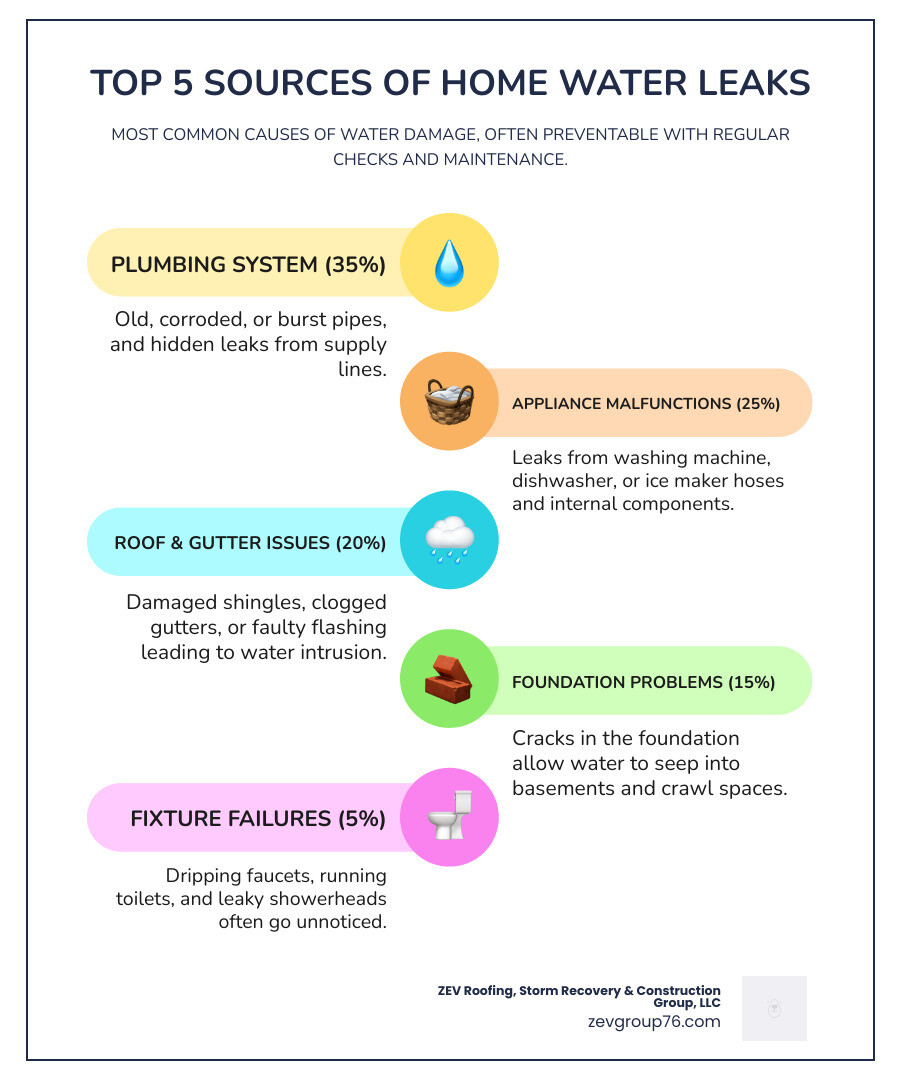
Water damage often starts with subtle signs like a warped floorboard, a small wall stain, or bubbling paint. Understanding how to prevent water leaks in your home means knowing the common culprits. Everyday leaks from ordinary home systems, not dramatic floods, cause the majority of water damage claims.
Common Leak Sources
- Plumbing system failures: Old or corroded pipes develop tiny holes and failing joints, especially in homes with hard water.
- Appliance malfunctions: Hoses for washing machines, dishwashers, and refrigerators have a limited lifespan (typically 5-10 years) and can fail without warning.
- Roof and gutter issues: Clogged gutters and Damaged shingles allow water to penetrate your home’s structure.
- Foundation cracks: Shifting soil and poor drainage can create cracks in the foundation, allowing water to seep in.
- Fixture failures: A running toilet or dripping faucet can waste thousands of gallons and promote mold growth.
Potential Damages
The real tragedy isn’t the initial leak—it’s the cascading damage that follows.
- Structural rot: Prolonged dampness compromises wood framing, subflooring, and support beams, threatening your home’s integrity.
- Mold and mildew health risks: Spores can multiply in damp areas, triggering allergies and respiratory issues.
- Electrical hazards: Water near wiring or outlets creates serious fire and electrocution risks.
- Damaged personal property: Water can destroy furniture, electronics, and irreplaceable personal items like photos and documents.
- Increased utility bills: A sudden spike in your water bill is often the first sign of a hidden leak.
Your First Line of Defense: How to Detect Water Leaks Early
The best defense against costly water damage is catching leaks before they become disasters. Learning how to prevent water leaks in your home starts with becoming a detective and spotting the warning signs early.
Telltale Signs of a Hidden Leak
- Spike in water bill: A sudden, unexplained increase in usage is a primary red flag.
- Musty odors: A persistent damp or earthy smell, especially in enclosed areas, signals hidden moisture.
- Visible changes: Look for yellowish stains on ceilings, warped flooring, or peeling and bubbling paint or wallpaper.
- Unusual sounds: Listen for dripping or running water when all fixtures are off, especially at night.
How to Perform a DIY Leak Detection Test
These simple tests can save you thousands of dollars.
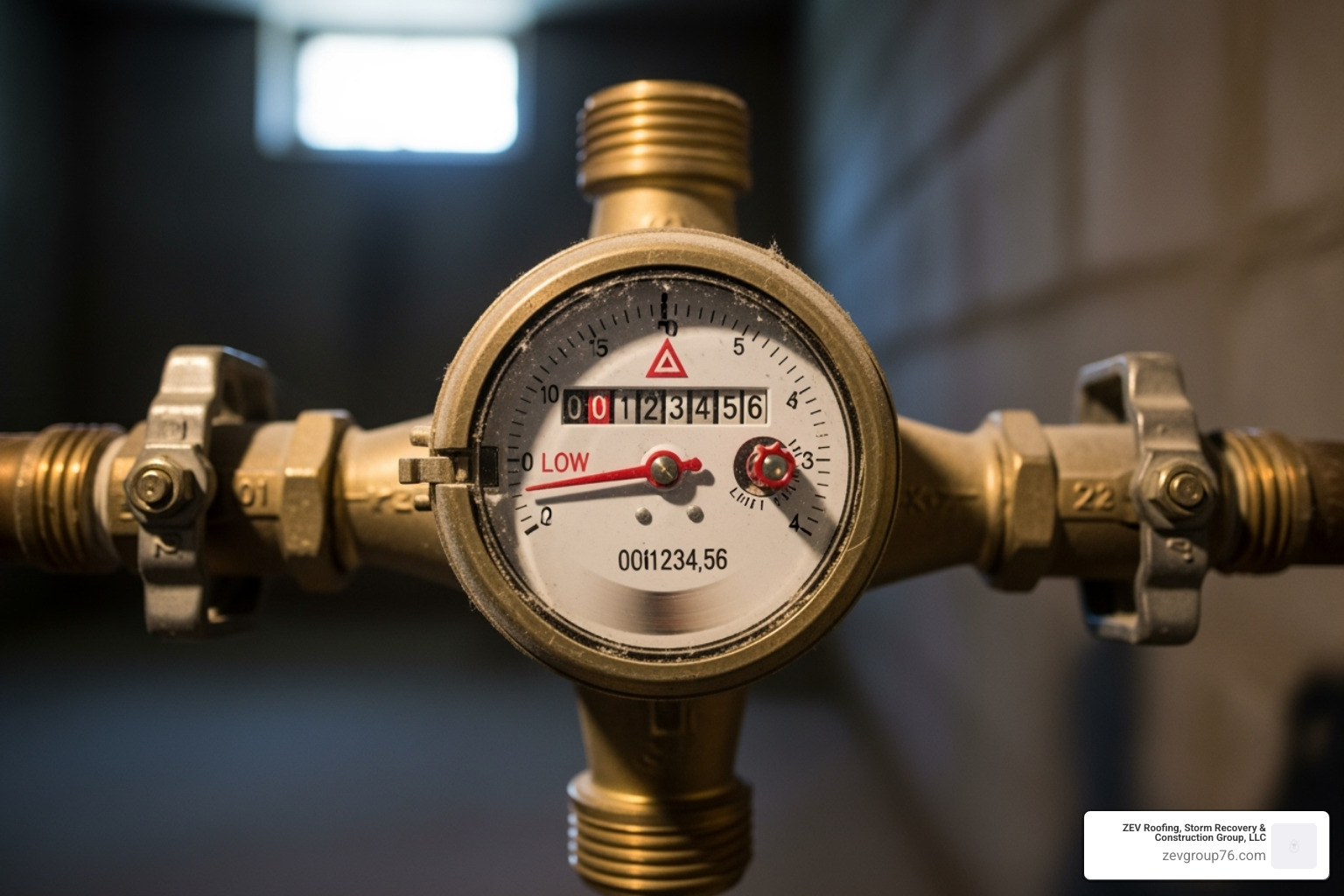
- The Water Meter Test: Turn off all water-using appliances in your home. Record the meter reading, then check it again after two hours of no water use. If the reading has changed, you have a leak. Many meters also have a small triangle or dial that will spin even with a very small leak.
- The Toilet Dye Test: Add a few drops of food coloring to your toilet tank. Wait 15 minutes without flushing. If color appears in the bowl, your toilet’s flapper is leaking and needs to be replaced.
- Regular Visual Inspections: Once a month, use a flashlight to check under sinks and behind appliances for any signs of moisture or small drips.
- Consider Upgrades: When replacing fixtures, choose WaterSense models for better reliability and efficiency, which helps reduce leak risks.
How to Prevent Water Leaks in Your Home: A Maintenance Checklist
Proactive maintenance is the key to how to prevent water leaks in your home. A simple, consistent routine can save you thousands of dollars and significant stress. Here is a manageable checklist for your home’s interior and exterior.
Interior Plumbing and Appliance Maintenance
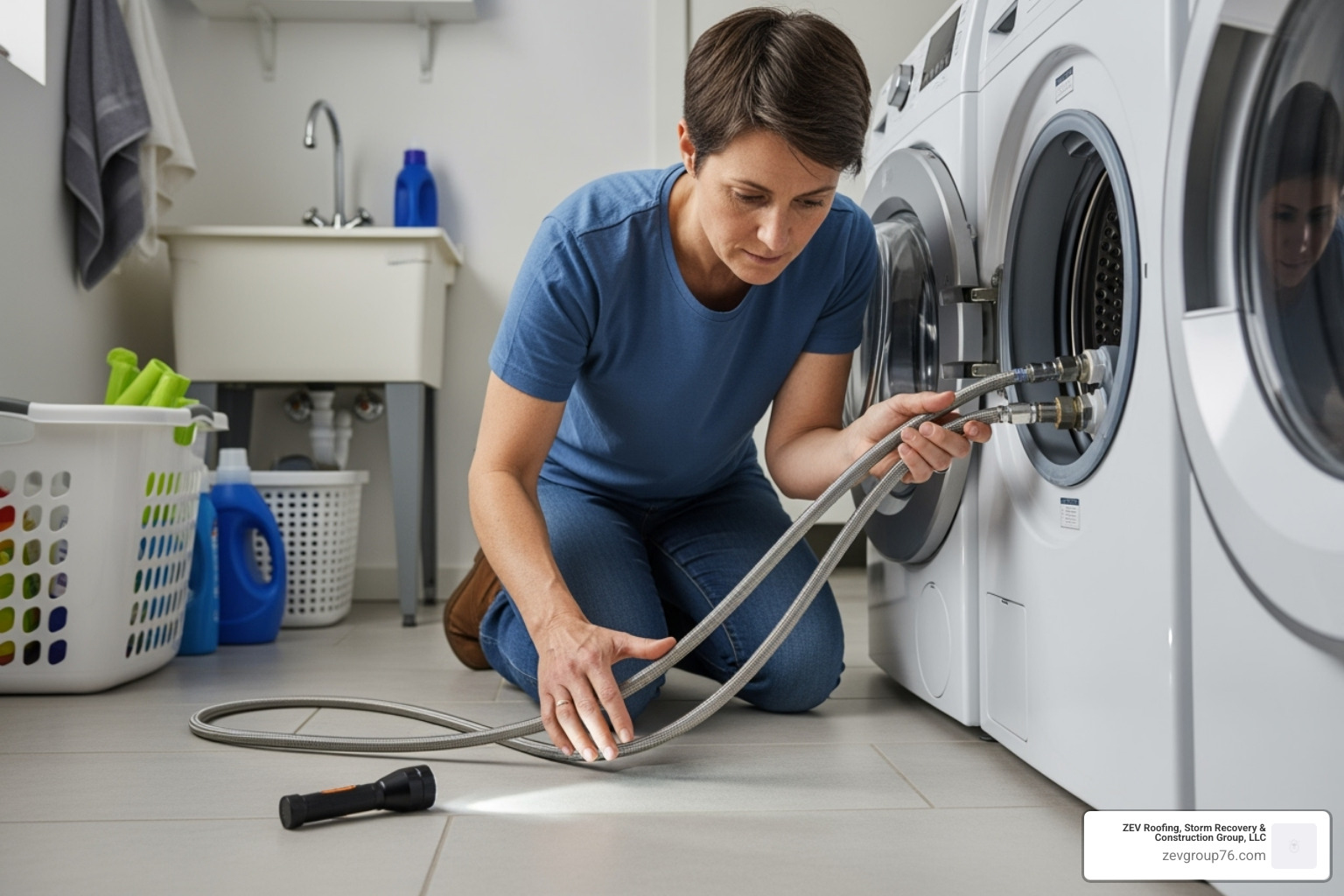
- Inspect Appliance Hoses: Check washing machine, dishwasher, and ice maker hoses every six months. Proactively replace standard rubber hoses with braided steel ones, and replace all hoses every five years.
- Check Water Heater: Look for rust, corrosion, or moisture around the base. Have it professionally inspected annually if it’s over 10 years old.
- Know Your Shut-Off Valves: Ensure every adult in the house knows the location of the main water shut-off valve and individual fixture valves for emergencies.
- Manage Water Pressure: Keep pressure between 40-70 psi to avoid stress on pipes. Use a pressure gauge to test and install a regulator if needed.
- Fix Drips and Leaks: Promptly repair dripping faucets (usually a worn washer) and running toilets. Replace the toilet’s flapper every five years as a cheap preventative measure.
Exterior and Structural Integrity
- Roof Inspection: Get a professional Roof Inspection annually and after severe weather. Immediately repair damaged shingles.
- Gutters and Downspouts: Clean them twice a year and ensure downspouts direct water at least six feet from the foundation. Consider professional Gutter Installation for better protection.
- Landscape Grading: Ensure the ground slopes away from your house to prevent water from pooling near the foundation.
- Foundation and Siding: Seal small cracks in the foundation and walls. Inspect exterior siding for gaps or damage that could let water in.
- Winter Prep: Disconnect outdoor hoses before the first freeze. Insulate pipes in unheated areas like attics and crawl spaces. If you’re away in winter, keep the heat at 55°F or higher to prevent frozen pipes and avoid the need for Storm Damage Repair.
Advanced Strategies and Emergency Protocols
Beyond regular maintenance, modern technology offers advanced protection for how to prevent water leaks in your home. These tools act as a 24/7 security system for water damage.
Leveraging Technology for How to Prevent Water Leaks in Your Home
- Smart Leak Detectors: Place these small, battery-powered sensors near water heaters, sinks, and in basements. They send instant smartphone alerts when moisture is detected, allowing you to act quickly.
- Automatic Water Shut-Off Valves: These systems connect to your main water line and automatically stop the flow of water when a leak is detected. This can turn a potential flood into a minor puddle.
- Insurance Discounts: Many insurance providers offer reduced premiums for homes equipped with these smart systems, as they significantly reduce the risk of major claims.
Protecting Your Home While You’re Away
- Shut Off the Main Water Supply: For extended trips, this is the most effective way to prevent leaks. Remember to also turn off your water heater.
- Maintain Heat in Winter: In Texas and New Mexico, prevent frozen pipes during sudden cold snaps by keeping your heat at 55°F or higher.
- Ask a Neighbor for Help: Have a trusted neighbor check your property periodically and show them where the main shut-off valve is located.
- Prepare for Severe Weather: Before leaving, clean gutters and check forecasts to avoid returning to Storm Damage Repair needs.
What to Do Immediately After Finding a Leak
Your response in the first few minutes is critical.
Emergency Response Steps:
- Shut off the main water valve immediately to stop the source.
- Turn off electricity to the affected area if safe to do so.
- Move valuables and furniture away from the water.
- Document the damage with photos and videos for your insurance claim.
- Call a professional for repairs, especially for complex issues.
The most critical step is knowing the location of your main water shut-off valve before an emergency. When dealing with water near electricity, always prioritize safety. For burst pipes or hidden plumbing issues, professional help is essential.
Frequently Asked Questions about Home Water Leak Prevention
What is the most common cause of water damage in a home?
While major weather events are destructive, the most frequent causes of water damage are failures in the plumbing supply system, aging appliance hoses, and slow leaks from fixtures like toilets and faucets. These issues almost always stem from neglected maintenance, making them highly preventable.
How often should I inspect my home for potential water leaks?
Perform a thorough inspection at least twice a year, ideally in the spring and fall. Additionally, check your home after major storms or unusual weather. Monthly visual checks of high-risk areas like basements, laundry rooms, and under sinks are also recommended.
Are smart water leak detectors worth the investment?
Yes. They provide 24/7 monitoring and can detect leaks long before you would notice them, potentially saving you thousands of dollars in damage. Systems with automatic shut-offs offer the highest level of protection. Many insurance companies also offer discounts for homes with these devices, making them a wise investment for both safety and peace of mind.
Conclusion
Protecting your home from water damage is achievable. As this guide has shown, how to prevent water leaks in your home is about proactive maintenance and early detection. Simple steps like regular inspections, checking appliance hoses, and monitoring your water bill are your best defense against costly repairs.
Knowing the basics, like the location of your main shut-off valve, empowers you to prevent a minor issue from becoming a major disaster. At ZEV Roofing, Storm Recovery & Construction Group, we know that a well-maintained exterior is a critical part of this defense. Your roof, gutters, and siding are the first line of defense against weather in Texas and New Mexico, working in tandem with your interior prevention efforts.
A dry home is a safe home. By creating a simple maintenance schedule and addressing red flags promptly, you protect your family, your property, and your budget. Don’t wait for a leak to happen—take control today.
Ready to bulletproof your home’s exterior? Learn more about our comprehensive Leak Prevention services and find how we can help you create the ultimate barrier against water intrusion.