
The Silent Threat of Pinhole Leaks
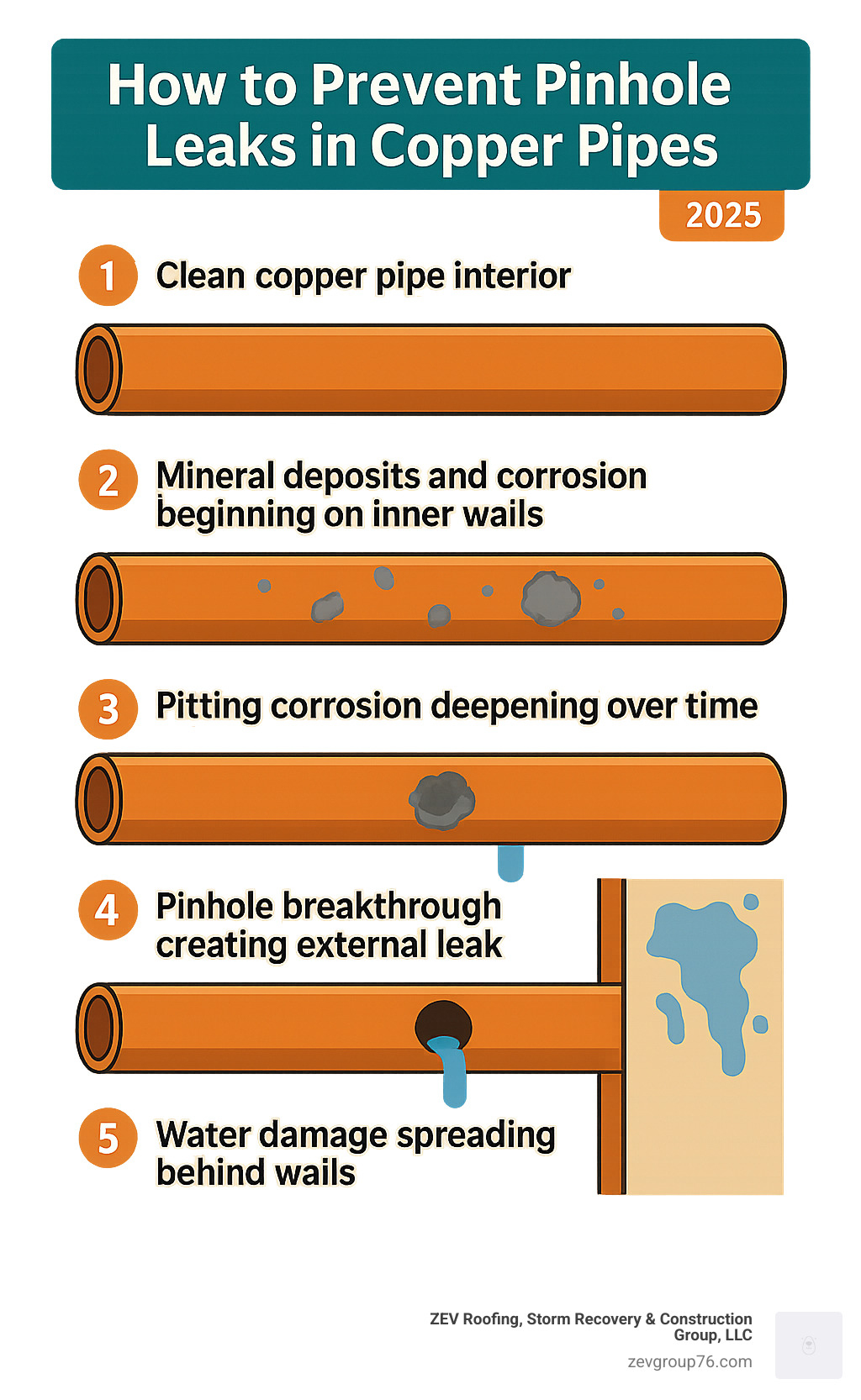
How to prevent pinhole leaks in copper pipes starts with understanding that these tiny holes are among the most dangerous and sneaky plumbing problems you’ll face as a homeowner. Unlike dramatic pipe bursts that flood your basement immediately, pinhole leaks work quietly behind your walls for months or years, causing massive water damage and toxic mold growth.
Quick Prevention Methods:
- Control water pressure – Keep between 40-60 PSI
- Install water treatment – Use softeners for hard water areas
- Regular inspections – Check pipes over 20 years old annually
- Reduce turbulence – Ensure proper pipe sizing and fitting spacing
- Test water chemistry – Monitor pH and mineral content
These microscopic perforations occur when corrosion eats through copper pipes from the inside out. What makes them particularly insidious is their size – often smaller than 1/8 inch – yet capable of releasing hundreds of gallons behind your drywall before you notice the first water stain on your ceiling.
According to plumbing experts, approximately 85% of homes have hard water that accelerates this internal corrosion process. The minerals in your water, combined with factors like high water velocity and aggressive water chemistry, slowly strip copper from the inside of your pipes until they develop these pin-sized holes.
The good news? Pinhole leaks are highly preventable when you understand what causes them and take proactive steps to protect your plumbing system.
Understanding the Enemy: What Causes Pinhole Leaks and How to Spot Them
Picture this: you’re relaxing at home in Lubbock or Plainview when you notice a mysterious water stain spreading across your ceiling. That innocent-looking spot could be the tip of the iceberg – a pinhole leak that’s been quietly working behind your walls for months.
How to prevent pinhole leaks in copper pipes starts with understanding your enemy. These sneaky little holes form through a process called pitting corrosion, which is exactly as nasty as it sounds. Unlike regular wear that gradually thins your pipes, pitting corrosion creates concentrated attacks on specific spots, boring tiny holes straight through the copper.
What makes this particularly frustrating is that copper pipes have been the gold standard since the 1940s. They’re found in countless homes across West Texas and Eastern New Mexico, and they’re supposed to be reliable. But when pitting corrosion strikes, it works from the inside out, staying completely hidden until significant damage has already occurred.
The long-term consequences aren’t pretty. We’re talking extensive water damage, structural problems, and that nightmare scenario every homeowner dreads – pervasive mold growth that can seriously impact your family’s health.
The Root Causes of Pipe Corrosion
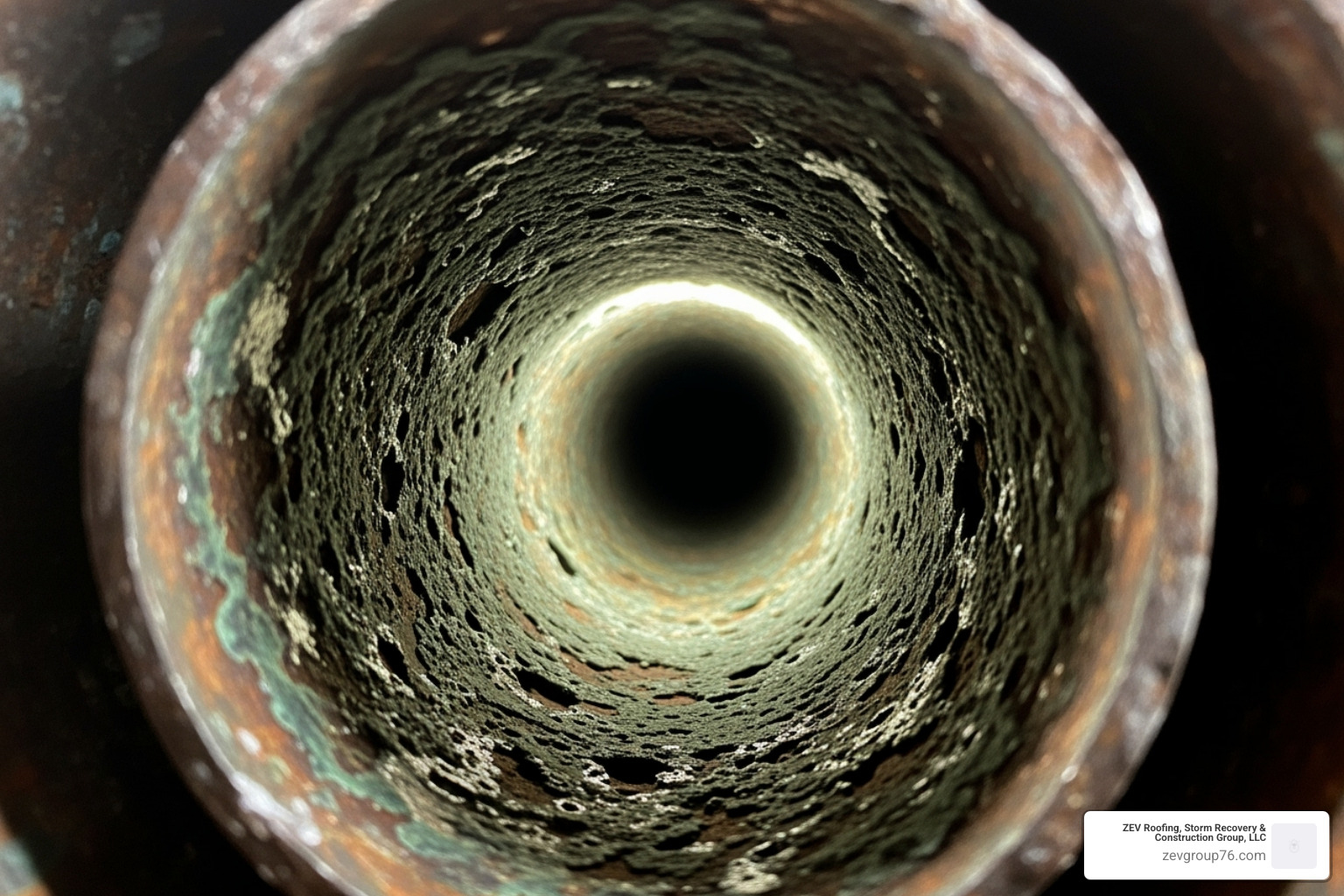
Several culprits work together to create this mess in your copper pipes, and understanding them is your first line of defense.
Water chemistry is usually the main villain in this story. Your water’s pH level can make or break your pipes – literally. Water that’s too acidic or too alkaline becomes aggressive, eating away at copper like a slow-acting acid. Hard water explained shows us how dissolved minerals like calcium and magnesium, while harmless to drink, can gradually wear away your pipes’ protective inner lining.
Even more concerning are chloramines – those disinfectants your municipal water supplier uses to keep your water safe. Ironically, these helpful chemicals can react with copper, creating copper oxide and copper carbonate that literally strips copper from your pipe walls until a pinhole forms.
Water velocity and turbulence might sound boring, but here’s where it gets interesting: water moving too fast can actually erode your pipes. According to plumbing velocity standards, water should move at 8 feet per second for cold water and 5 feet per second for hot water in copper pipes. Go faster than that, and you’re creating turbulence that physically scrapes away the protective layers inside your pipes.
This turbulence gets especially nasty at pipe fittings and bends. When fittings are installed incorrectly or placed too close together, they create localized stress points where water churns and scrapes. These spots become prime real estate for pinhole leaks.
Installation errors compound the problem. Poor workmanship, incorrect materials, or pipes exposed to corrosive elements like concrete or soil can accelerate the whole process. Even the pipe age and material quality matter – while copper pipes can last 20 to 50 years, they’re not immortal. As protective layers degrade over time, your pipes become sitting ducks for corrosion.
Telltale Signs of a Hidden Leak
Your home is constantly communicating with you, and pinhole leaks leave clues if you know what to look for. Just like learning to spot common problems with standing seam roofs, recognizing these signs can save you thousands in damage.
Your water bill tells a story. If your usage habits haven’t changed but your bill suddenly jumps, a hidden leak is often the culprit. Even a tiny drip can waste hundreds of gallons over a month.
Water pressure changes are another red flag. When pressure drops suddenly or gradually throughout your home, water might be escaping your system before reaching your fixtures.
Listen carefully for mysterious dripping sounds coming from inside walls, ceilings, or floors – especially when all faucets are off. Your ears might detect trouble long before your eyes do.
Visible water damage shows up as unexplained stains, damp spots, or peeling paint on ceilings, walls, and floors. These are signs that water has been seeping into your building materials for a while.
Check your exposed pipes for discoloration. Healthy copper pipes should be reddish-brown. Green, brown, or blue discoloration (called patina) on the outside indicates corrosion and potential trouble.
Excessive condensation on pipes, particularly in areas that shouldn’t be humid, suggests a pipe under stress. While some condensation is normal, too much is suspicious.
Finally, musty odors or visible mold are the smoking guns. That distinct mildew smell or actual mold growth on walls, baseboards, or under sinks almost always means prolonged moisture exposure from a hidden leak.
If you spot any of these warning signs, don’t wait. The sooner you investigate, the less damage you’ll face – and the less it’ll cost to fix.
How to Prevent Pinhole Leaks in Copper Pipes: Proactive Strategies
The old saying “an ounce of prevention is worth a pound of cure” has never been more true than when it comes to pinhole leaks. Trust me, spending a little time and money now to protect your copper pipes will save you thousands in water damage repairs later. Plus, you’ll sleep better knowing your walls aren’t slowly turning into soggy drywall sandwiches.
The beauty of how to prevent pinhole leaks in copper pipes is that most prevention strategies are straightforward and don’t require you to become a plumbing expert overnight. Think of it as giving your pipes a healthy lifestyle – proper water treatment, regular check-ups, and keeping things flowing smoothly.

Step 1: How to Prevent Pinhole Leaks in Copper Pipes by Managing Water Chemistry
Your water might look crystal clear, but it could be secretly plotting against your copper pipes. Water chemistry is often the main villain in the pinhole leak story, so let’s make your water play nice with your plumbing.
Water testing is your first line of defense and honestly, it’s pretty fascinating to see what’s actually flowing through your taps. A professional water test reveals your water’s pH level, hardness, and whether you have any pipe-eating troublemakers like chloramines lurking around. Think of it as a health check-up for your water – you need to know what you’re dealing with before you can fix it.
Here in West Texas and Eastern New Mexico, we see a lot of hard water, and boy, does it love to mess with copper pipes. Water softeners are game-changers for homes dealing with hard water. These systems remove those aggressive minerals like calcium and magnesium that slowly wear away your pipes from the inside. It’s like switching from sandpaper to silk when it comes to what’s flowing through your plumbing.
Water filtration systems take things a step further by removing other corrosive elements that standard softeners might miss. If your water test shows acidic conditions, pH neutralizers can balance things out, making your water less hungry for the copper in your pipes. Some advanced systems specifically target chloramines – those municipal water disinfectants that can be particularly nasty to copper pipes.
The goal is simple: make your water as gentle and non-corrosive as possible. When your water chemistry is balanced, the natural protective layer inside your copper pipes can do its job properly.
Step 2: How to Prevent Pinhole Leaks in Copper Pipes by Controlling Water Flow
Water might seem gentle, but when it’s moving too fast or under too much pressure, it becomes surprisingly destructive. Think of it like the difference between a gentle stream and a fire hose – both are water, but one will definitely do more damage to your pipes.
Checking your water pressure should be as routine as checking your tire pressure. The sweet spot for most homes is between 40 and 60 PSI. Anything higher puts unnecessary stress on your entire plumbing system, causing pipes to wear out faster and develop those dreaded pinhole leaks. A simple pressure gauge from the hardware store can tell you where you stand.
If your pressure runs high, pressure reducing valves are your best friend. These devices act like a speed limit for your water, keeping everything flowing at a safe, steady pace. Your pipes will thank you, and so will your appliances – high water pressure is tough on washing machines, dishwashers, and water heaters too.
Proper pipe sizing matters more than you might think. Pipes that are too small for your home’s water demand create a traffic jam effect – water has to rush through faster, creating turbulence and friction. If you hear banging sounds in your walls or experience pressure drops when multiple fixtures run, your pipes might be working harder than they should.
Reducing turbulence involves making sure your pipe fittings are properly spaced and installed. Poorly placed fittings create swirling, chaotic water flow that can literally scrub away the inside of your pipes over time. A professional inspection can identify problem areas where water is getting too wild inside your plumbing system.
Regular maintenance and professional inspections are the final piece of the prevention puzzle. Having a qualified plumber assess your system annually, especially if your pipes are over 20 years old, can catch potential problems before they become expensive disasters.
Repair or Replace? Making the Right Choice for Your Plumbing System
Finding a pinhole leak in your copper pipes feels a bit like finding termites in your foundation – it’s never just about that one spot you can see. For homeowners across West Texas and Eastern New Mexico, from Wolfforth to Slaton, this findy often marks a turning point where you need to make some big decisions about your home’s future.
The truth is, how to prevent pinhole leaks in copper pipes sometimes means accepting that prevention time has passed and it’s time for a more comprehensive solution. When you’re dealing with pipes that are over 20 years old, that first pinhole leak is often your plumbing system’s way of telling you it’s getting tired.
Think of it this way: if you keep finding new leaks every few months, you’re playing an expensive game of whack-a-mole with your plumbing. Each repair might cost a few hundred dollars, but the real expense comes from the water damage, the disrupted routines, and the stress of never knowing when the next leak will appear.
This is exactly why we always recommend a professional consultation when you find your first pinhole leak. An experienced plumber can assess whether you’re dealing with a localized problem or if that tiny hole is just the tip of the iceberg – a warning sign that your entire system is experiencing widespread internal corrosion.
Comparing Long-Term Solutions for Leaky Pipes
When it comes to fixing pinhole leaks permanently, you’ve got two main paths forward: epoxy lining or full re-piping. Both have their place, and the right choice depends on your specific situation, budget, and how much disruption you can handle.
| Feature | Epoxy Lining | Full Re-piping |
|---|---|---|
| Cost | Often less expensive upfront than full re-piping. | Generally more expensive upfront, but can be a long-term investment. |
| Disruption | Minimal. No wall demolition required. Water shut-off is usually 24-48 hours. | Significant. Requires opening walls and ceilings. Can involve several days to a week or more of water shut-off and living disruption. |
| Longevity | Can last 40-60 years. Seals the entire system. | 50+ years, depending on new material. |
| Effectiveness | Seals existing pinholes and prevents new corrosion by coating the interior. | Replaces old, corroded pipes with new material. Eliminates current corrosion issues. |
| Pros | – Less invasive. – Faster completion. – Prevents future leaks throughout the lined section. – Stops copper from leaching into water. – Epoxy is proven safe for drinking water. | – A brand-new plumbing system. – Opportunity to upgrade pipe material (e.g., to PEX). – Addresses all existing pipe issues comprehensively. – Potentially increases home value. – PEX piping is a flexible, durable plastic alternative that is resistant to corrosion, less expensive to install, and can expand to prevent bursting in freezing conditions. |
| Cons | – Not all plumbers offer it. – Requires specialized equipment. – May not be suitable for severely deteriorated pipes. – Controversy exists around its effectiveness and long-term health implications in some discussions, though approved products are safe. | – High cost. – Significant mess and disruption. – Requires extensive wall repair and repainting afterward. – Can be a lengthy process. – Some discussions raise concerns about PEX plastic pipes releasing carcinogenic contaminants, though regulated and widely used. |
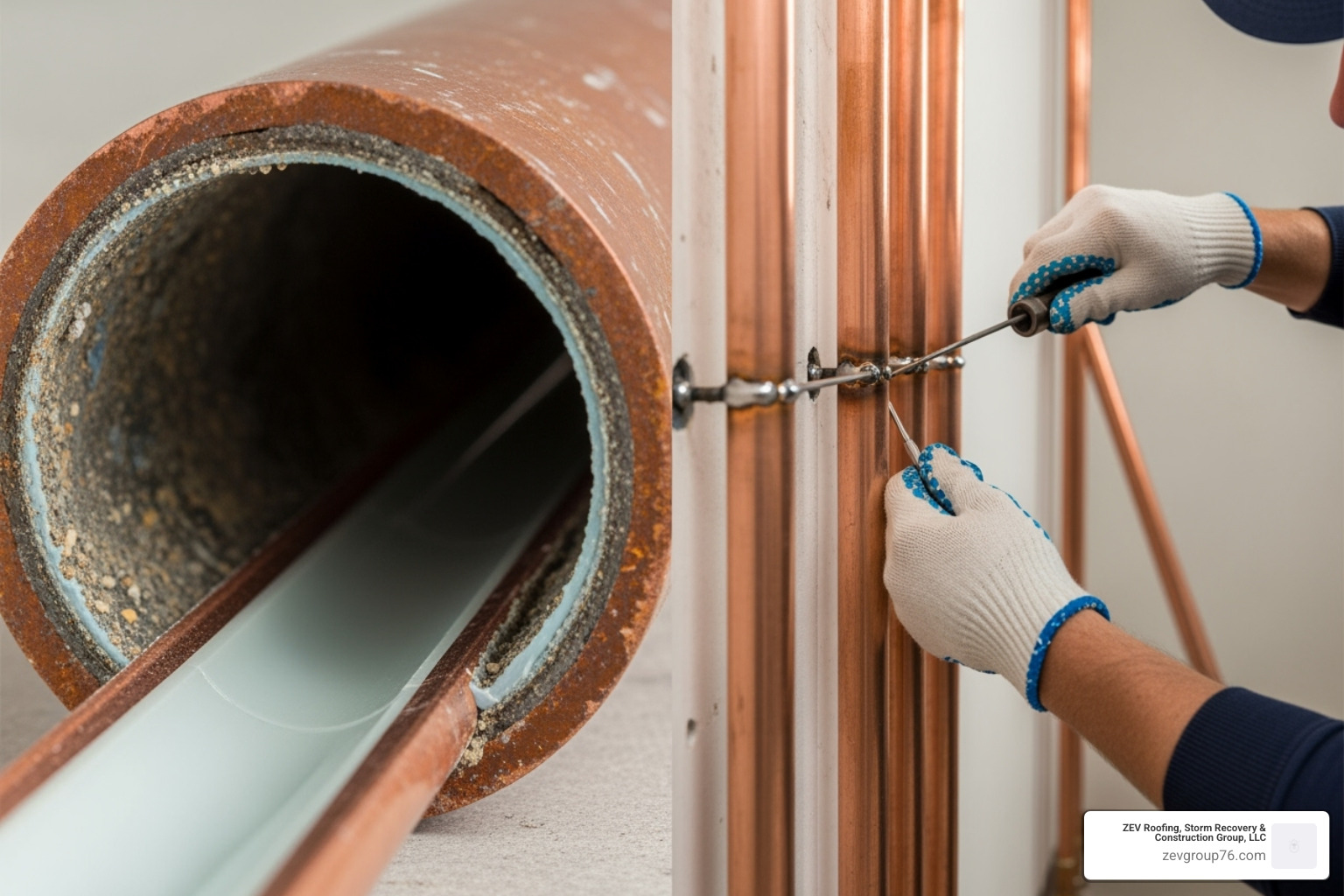
Epoxy lining is like giving your old pipes a brand-new interior. The process involves thoroughly cleaning your entire water distribution system, then applying a thin but incredibly durable epoxy coating to the inside of every pipe. When it hardens, you essentially have new pipes inside your old ones – pretty clever, right?
The biggest advantage here is that there’s no demolition required. No one’s tearing holes in your walls or ceilings, no dust covering everything you own, and typically you’re only without water for a day or two. For many homeowners, especially those with finished basements or recently renovated homes, this minimal disruption is worth its weight in gold.
However, epoxy lining is a specialized service that requires specific equipment and training. Not every plumbing company offers it, so you might need to do some searching. Also, if your pipes are severely deteriorated – think more Swiss cheese than solid copper – epoxy lining might not be the right solution.
Full re-piping, on the other hand, means starting fresh. You’re replacing all or most of your home’s old copper pipes with completely new ones. Yes, it’s more expensive upfront, and yes, it’s going to turn your house into a construction zone for a while. But you’re getting a brand-new plumbing system that should serve you reliably for decades.
Many homeowners choosing re-piping opt for PEX piping instead of going back to copper. PEX is flexible, corrosion-resistant, less expensive to install, and much more forgiving when temperatures drop below freezing. It’s also easier for plumbers to work with, which can help keep labor costs down.
The key to making the right choice often comes down to a simple cost-benefit analysis. If your pipes are relatively young and you’re dealing with just a few problem areas, epoxy lining might be perfect. But if you’re looking at a system that’s been giving you trouble for years, investing in a complete replacement – whether copper or PEX – might actually save you money in the long run.
Whether you’re in Plainview, New Deal, or anywhere else we serve, a professional assessment is your best first step. A qualified plumber can evaluate your specific situation and provide detailed quotes for both options, helping you make the choice that’s right for your home and budget.
Frequently Asked Questions About Copper Pipe Leaks
When homeowners find pinhole leaks, they’re often filled with questions and concerns. After helping countless families across Texas and New Mexico deal with these issues, we’ve found that most people have similar worries. Let’s address the most common questions we hear.
How long do copper pipes typically last?
The truth about copper pipe lifespan isn’t as straightforward as you might hope. While copper pipes are built to be workhorses, their actual lifespan can vary dramatically – anywhere from 20 to 50 years – depending on several key factors.
Water quality is the biggest game-changer. A home with soft, balanced water might see their copper pipes last the full 50 years or more. But if you’re dealing with aggressive water chemistry – think high pH levels, hard water loaded with minerals, or municipal water treated with chloramines – those same pipes might start developing problems in just 15-20 years.
Installation quality matters too. Pipes installed by skilled professionals with proper spacing and fittings will naturally outlast systems with shortcuts or installation errors. Even the thickness of the copper itself plays a role – thicker pipes simply have more material to lose before a pinhole breaks through.
Usage patterns in your home also influence longevity. A vacation home with minimal water flow will typically see longer pipe life than a busy family home with high water demand and frequent pressure changes.
Can I fix a pinhole leak myself?
We get this question a lot, and we understand the appeal of a quick DIY fix. Unfortunately, permanent pinhole leak repair isn’t really a DIY job for most homeowners.
You’ll find temporary solutions at the hardware store – pipe clamps, rubber patches, and various tapes that promise quick fixes. These might stop the immediate drip, but they’re essentially band-aids on a deeper problem. They often fail within weeks or months, sometimes creating new stress points that lead to additional leaks nearby.
The only truly permanent fix is called “sweating” the pipe – cutting out the damaged section and soldering in a new piece of copper. This process requires specialized tools, a torch, flux, solder, and considerable skill to do safely and effectively. One wrong move with that torch, and you could be dealing with fire damage on top of your plumbing problem.
Here’s when you absolutely need a professional: if the leak is behind a wall, if you’re not experienced with soldering, or if you find multiple leaks. A licensed plumber has the expertise to ensure a lasting repair and can spot other potential problem areas while they’re working.
Does a single pinhole leak mean my whole plumbing system is bad?
This is probably the question that keeps homeowners up at night, and honestly, it’s a valid concern. A single pinhole leak is like finding one termite – it could be alone, but it’s more likely a sign of a bigger issue.
The age of your plumbing system is crucial here. If your pipes are under 15 years old, a single leak might indeed be an isolated incident – perhaps a manufacturing defect or damage from installation. But if your copper pipes are pushing 20 years or older, that first pinhole leak is often your plumbing system’s way of saying “pay attention to me.”
Think of it as an early warning system. The same water chemistry and flow conditions that created one pinhole leak are working on the rest of your pipes too. The internal corrosion process doesn’t happen in just one spot – it’s typically occurring throughout the system, with some areas simply reaching the breakthrough point sooner than others.
When we encounter a first pinhole leak in an older system, we always recommend a comprehensive inspection. This helps determine whether you’re looking at a simple repair or if it’s time to start planning for more extensive work. The good news is that catching it early gives you time to plan and budget, rather than dealing with emergency repairs when multiple leaks start appearing.
Understanding *how to prevent pinhole leaks in copper pipes becomes critical once you’ve had that first leak* – it’s your chance to address the root causes and potentially extend the life of your remaining plumbing system while you plan for the future.
Conclusion: A Holistic Approach to Home Leak Prevention
When you think about protecting your home, it’s easy to focus on the obvious things – a sturdy roof, strong walls, good locks on the doors. But some of the biggest threats to your home are the ones you can’t see, like those sneaky pinhole leaks slowly eating away at your copper pipes from the inside.
How to prevent pinhole leaks in copper pipes isn’t just about plumbing – it’s about taking a comprehensive approach to home protection. Whether you’re dealing with roof leaks after a West Texas thunderstorm, foundation issues, or hidden pipe problems, the principle is the same: proactive care beats reactive repairs every single time.
Think of your home as a system where everything works together. A small leak in your pipes can cause just as much damage as a missing shingle on your roof. Both can lead to water damage, mold growth, and expensive repairs that could have been prevented with the right approach.
The prevention methods we’ve covered – managing water chemistry through testing and treatment systems, controlling water pressure and flow, and staying alert for early warning signs – these aren’t just plumbing tips. They’re part of protecting your most important investment.
At ZEV Roofing, Storm Recovery & Construction Group, LLC, we see how water damage can devastate homes across Lubbock, Shallowater, Plainview, New Deal, Wolfforth, and Slaton. While we specialize in roofing and construction, we understand that comprehensive home protection means addressing vulnerabilities wherever they exist – from your foundation to your roof peak.
Regular professional inspections become even more critical as your home ages. Just like we recommend annual roof inspections after storm season, your plumbing system deserves the same attention, especially if your copper pipes are over 20 years old.
Don’t let a tiny pinhole turn into a major headache. The few hundred dollars you spend on water testing, pressure regulation, or a filtration system today could save you thousands in water damage repairs tomorrow. More importantly, it protects your family’s health and gives you peace of mind.
Your home works hard to shelter and protect you. Return the favor by giving it the proactive maintenance it deserves. When you need expert help with roofing, storm recovery, or construction services, we’re here with the durable solutions and customer-focused approach that West Texas and Eastern New Mexico homeowners trust.