
Understanding Urinary Incontinence: A Common Challenge You Can Manage
How to prevent leaking is a concern for millions, yet research shows at least half of those with urinary incontinence never discuss it with a doctor. The good news is that the vast majority of cases can be cured or significantly improved with the right approach.
Quick Prevention Methods:
- Strengthen pelvic floor muscles – Practice Kegel exercises daily
- Maintain healthy weight – Reduce pressure on your bladder
- Avoid bladder irritants – Limit caffeine, alcohol, and spicy foods
- Stay properly hydrated – Drink 6-8 glasses of water daily
- Use proper lifting technique – Tighten pelvic muscles before lifting
- Choose right products – Select pads with appropriate absorbency
- Practice “The Knack” – Do Kegels before coughing or sneezing
Urinary incontinence is a medical condition that becomes more common with age, particularly affecting women due to pregnancy, childbirth, and menopause. The primary symptom is leaking urine unexpectedly or during activities like sneezing, coughing, laughing, or exercising.
The key is understanding why leaks occur and taking proactive steps to manage them.
Whether you have occasional stress incontinence or frequent urges, simple lifestyle changes and targeted exercises can make a significant difference. You have more control over this condition than you might think.
Understanding the Root Causes of Bladder Leaks
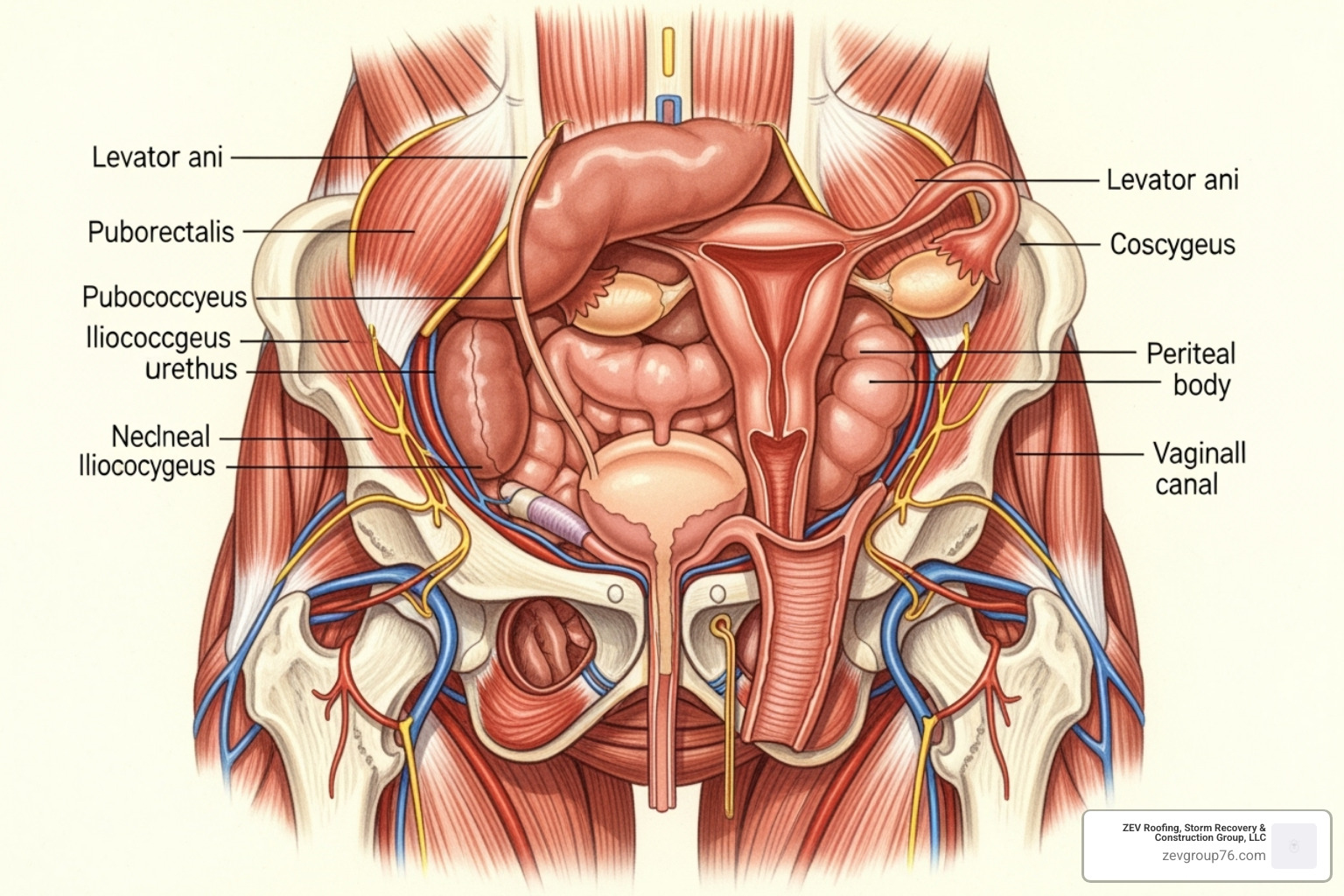
Your pelvic floor muscles act as a support system for your bladder. When strong, they provide excellent bladder control, but weakness can lead to leaks.
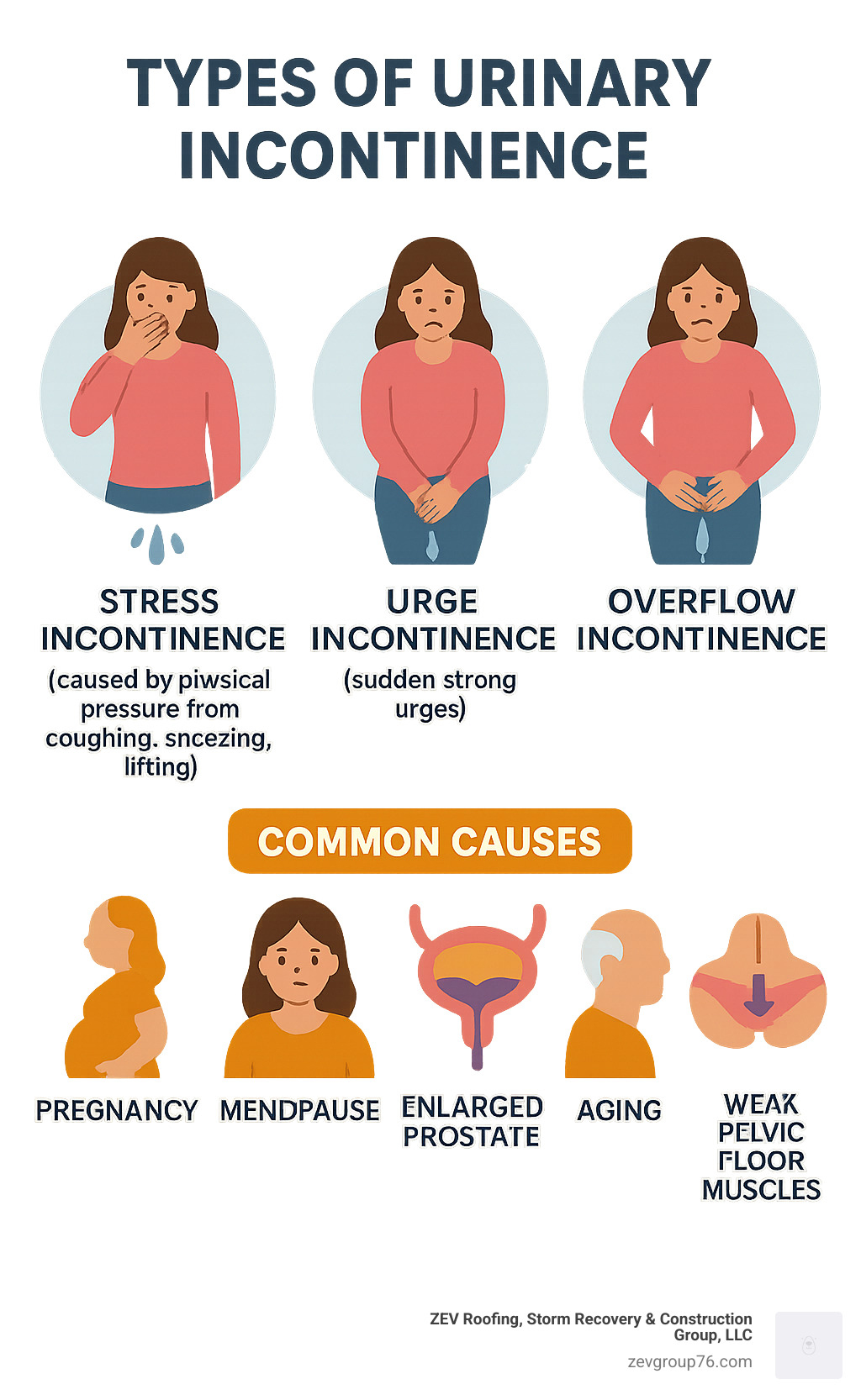
Stress incontinence occurs when activities like coughing, sneezing, or lifting put pressure on your bladder, and a weakened pelvic floor can’t handle it. Urge incontinence is a sudden, overwhelming need to urinate, often caused by faulty communication between the brain and bladder.
Several life events can weaken these muscles. Pregnancy and childbirth place significant pressure and stress on the pelvic floor. Menopause brings hormonal changes that affect tissue strength, and natural aging causes muscles to lose some vigor.
For men, an enlarged prostate can put pressure on the bladder. Understanding these causes is the first step toward prevention. For those interested in the science, Gynecology and Obstetrics research offers valuable insights.
Why is Incontinence More Common in Women?
Women experience urinary incontinence more often than men for clear biological reasons.
Pregnancy and childbirth are major factors. A growing baby puts constant pressure on the bladder and pelvic floor. The physical stress of delivery can stretch or damage these muscles and tissues, with effects that may appear immediately or years later.
Menopause adds another layer. As estrogen levels drop, tissues in the bladder and urethra lose strength and elasticity. These hormonal changes can worsen existing pelvic muscle strain from pregnancies or general wear and tear, creating a perfect storm for bladder control issues.
Common Triggers and Medical Causes
Specific triggers and medical conditions can also cause or worsen bladder leaks. Fortunately, many are treatable.
- UTIs (Urinary Tract Infections): An irritated bladder can cause sudden urges and leaks. Treating the infection usually resolves the incontinence.
- Constipation: Straining to pass hard stools puts immense pressure on pelvic floor muscles, weakening them over time.
- Medications: Certain drugs, like diuretics or some antidepressants, can affect bladder function. Talk to your doctor about alternatives if you suspect this is an issue.
- Diabetes and Neurological Conditions: Conditions like diabetes, multiple sclerosis, or Parkinson’s disease can damage nerves that control the bladder.
- Overactive Bladder: This occurs when bladder muscles contract involuntarily, creating intense and sudden urges.
Working with a healthcare provider can help identify the cause and create an effective plan for how to prevent leaking.
Proactive Lifestyle Changes for Better Bladder Control
Many of the most effective strategies for how to prevent leaking are within your control. Small, consistent changes to your daily routine can make a remarkable difference in your bladder health.
- Pelvic floor exercises: Strengthening these muscles is your secret weapon. You can do them anywhere, anytime.
- Weight management: Losing even a small amount of weight can significantly reduce pressure on your bladder.
- Smoking cessation: Chronic coughing from smoking weakens the pelvic floor muscles. Quitting can dramatically improve bladder control.
- Proper lifting technique: Always bend your knees, engage your core, and tighten your pelvic floor before you lift.
- Treating constipation: Avoid straining during bowel movements, as it puts tremendous pressure on your pelvic floor.
- Core strengthening: A strong core provides additional support and stability, making your pelvic floor’s job easier.

The Best and Worst Exercises for Leaks
Choosing the right activities can support your bladder control goals.
Beneficial low-impact exercises like Pilates, swimming, walking, and yoga are your best friends. They help you stay active without stressing your pelvic floor. Pilates and yoga, in particular, focus on core awareness and can help strengthen pelvic muscles.
On the other hand, exercises to avoid or modify include high-impact activities like running, jumping, and sit-ups. These motions put direct, jarring pressure on your bladder. If you love these activities, be diligent with your pelvic floor exercises and consider wearing supportive products.
How Weight and Other Strains Affect Your Bladder
Certain strains can worsen bladder control without you realizing it.
- Excess weight pressure: Extra weight constantly presses on your internal organs, forcing your pelvic floor muscles to work overtime. Even modest weight loss can bring significant improvement.
- Chronic coughing: Every cough from smoking, allergies, or illness is a mini-assault on your pelvic floor. Treating the underlying cause of a persistent cough is crucial.
- Straining during bowel movements: This puts enormous pressure on the entire pelvic floor, gradually weakening the muscles responsible for bladder control.
Addressing these underlying strains can significantly improve your bladder control.
The Role of Diet and Hydration in Managing Leaks
What you eat and drink can significantly impact bladder control. Certain foods and beverages can irritate your bladder, increasing urgency and the likelihood of leaks.
Common bladder irritants include caffeine (coffee, tea), alcohol, spicy foods, acidic foods (citrus, tomatoes), artificial sweeteners, and carbonated drinks. These substances can stimulate your bladder, causing it to contract more frequently and leading to sudden urges.
Many people mistakenly think drinking less water will solve the problem. However, proper hydration is one of your best tools for learning how to prevent leaking. Limiting fluids often creates more problems.
What to Drink and What to Avoid
Making smart drink choices is about balance. Water should be your go-to, along with non-caffeinated herbal teas and diluted fruit juices (like apple or cranberry).
On the other hand, you may need to adjust your intake of coffee, alcohol, carbonated beverages, and citrus juices (like orange or grapefruit), as these are known irritants.
| Bladder-Friendly Drinks | Bladder Irritants |
|---|---|
| Water | Coffee (caffeinated) |
| Herbal tea (non-caffeinated) | Tea (caffeinated, including green tea) |
| Diluted fruit juice (e.g., apple) | Alcohol (all types) |
| Milk | Carbonated beverages (soda, sparkling water) |
| Non-citrus juices (e.g., cranberry) | Citrus juices (orange, grapefruit) |
Try cutting back on irritants gradually to see what makes the biggest difference for your bladder control.
Why Drinking Less Water Can Make Leaks Worse
Restricting your water intake often makes leaks worse. When you drink less, your urine becomes concentrated and more irritating to your bladder lining, which can trigger stronger, more frequent urges.
Dehydration also reduces your bladder’s capacity over time, as it gets less practice holding normal amounts of fluid. This can create a frustrating cycle where you feel the urge to go more often with less urine.
Furthermore, dehydration can lead to constipation, which puts extra strain on your pelvic floor muscles and worsens incontinence.
The sweet spot for most people is 6 to 8 glasses of water daily, unless a doctor advises otherwise. This keeps your urine dilute and your bladder healthy, leading to better overall control.
How to Prevent Leaking with the Right Products and Techniques
Even with lifestyle changes, the right techniques and products can provide extra support. A cornerstone of leak prevention is pelvic floor training. Consistent practice strengthens the muscles that control urine flow. Paired with this, The ‘Knack’ method offers immediate protection during activities that cause leaks.
For products, the effectiveness of incontinence pads depends on absorbency levels, proper pad fit, and secure positioning. Using supportive underwear or specialized leakproof pants can also prevent pads from shifting, a major cause of leaks.

Mastering Pelvic Floor Exercises to Prevent Leaking
Kegel exercises are a powerful tool for improving bladder control. Correct technique and consistency are key.
- Identify the muscles: Imagine stopping the flow of urine. The muscles you clench are your pelvic floor muscles. Avoid tensing your buttocks, thighs, or abs.
- Squeeze and lift: Tighten your pelvic floor muscles, lifting them up and in.
- Hold duration: Hold the contraction for 2 seconds, then relax for 2 seconds.
- Repetitions: Repeat 10 times, breathing normally.
- Consistency: Aim for 3 sets of 10 repetitions daily. Gradually increase your hold time to 10 seconds as you get stronger.
The ‘Knack’ Method: This provides immediate protection. Just before you cough, sneeze, or lift, perform a quick, strong Kegel. This pre-emptive squeeze helps close the urethra to prevent urine from escaping.
Choosing the Right Incontinence Products to Prevent Leaking
Choosing the right incontinence products is essential for comfort and confidence. It’s not just about absorbency; size, fit, and positioning are crucial.
- Absorbency Levels: Pads come in various absorbencies. If you experience leaks, you may need to switch to a more absorbent pad.
- Pad Size and Fit: A pad that doesn’t fit properly is a primary cause of leaks. Ensure it is long and wide enough for adequate coverage.
- Proper Positioning: Make sure the pad is positioned correctly to catch leaks. If it moves around, leaks are more likely.
- Supportive Underwear: Snug-fitting underwear or specialized incontinence pants help keep the pad securely in place.
- Disposable vs. Reusable Pads:
- Disposable Pads: Offer single-use convenience.
- Reusable Incontinence Pads and Pants: These are designed to be highly absorbent, comfortable, and leakproof. Many users find them soft, non-irritating, and secure during activity. One user shared, “I’m so pleased with these as the disposable pads were irritating my skin… It’s far easier to wash them than to dispose of a disposable pad. It’s also far kinder to the planet.” Another noted, “Very comfortable to wear, soft against delicate skin… doesn’t rub or chafe and stays in place when I run.” Reusable pads often require pre-washing 3-4 times to build full absorbency before their first use.
Frequently Asked Questions about Urinary Incontinence
You’ve learned a lot about how to prevent leaking, but you might still have questions. Let’s tackle the most common ones.
How often should I change incontinence pads to prevent leaks?
There’s no single answer; the ideal frequency depends on your flow and the pad’s absorbency. A saturated pad can’t absorb more liquid, making leaks inevitable. Regular changes are essential before the pad becomes full.
A general guideline is to change every 4-6 hours. However, you may need more frequent changes if you have a heavier flow or are very active. Pay attention to your body and check your pad periodically, changing it when it feels wet or heavy.
Are reusable incontinence pads more effective at preventing leaks than disposables?
Many users find that reusable incontinence pads can be just as effective, and sometimes better, than disposables. They are engineered with high-absorbency materials and often feature a more secure fit that stays in place. They are typically made with softer fabrics that are less likely to irritate the skin.
Reusable pads usually need to be pre-washed 3-4 times to reach their full absorbency. Beyond effectiveness, they also offer environmental and cost benefits over time. The best choice comes down to personal preference and lifestyle.
When should I see a doctor about bladder leaks?
While lifestyle changes are effective, it’s time to see a doctor in certain situations.
Reach out to a healthcare provider if bladder leaks are significantly impacting your daily life, work, or emotional well-being. You shouldn’t have to plan your life around bathroom access.
Seek medical attention for symptoms like sudden onset incontinence, painful urination, or blood in your urine, as these could signal an infection or other condition. Frequent urinary tract infections alongside incontinence also warrant a doctor’s visit.
Finally, if you’ve consistently tried lifestyle changes and pelvic floor exercises for several weeks with no improvement, it’s time for professional guidance. There is no need to feel embarrassed; research shows the vast majority of cases can be cured or significantly improved with proper medical care. A provider can identify the specific type of incontinence and recommend targeted treatments.
Beyond Personal Leaks: Protecting Your Home from Damage
While we’ve focused on personal health, how to prevent leaking also applies to our homes. Unchecked leaks from a dripping faucet, burst pipe, or damaged roof can lead to significant damage and stress.
Bathroom leakage is a common household issue. A minor leak can waste water, damage surrounding areas, and promote mold growth, compromising air quality and structural integrity. Proper waterproofing and tiling are key solutions.
When it comes to leaky pipes, a burst pipe can cause extensive water damage if not addressed promptly. Knowing how to find your main water valve can save you thousands. Online guides provide valuable guidance on how to handle leaky pipes. A temporary fix is not always a permanent solution, as corrosion might mean the same pipe needs further attention.
Roof leaks pose a serious threat, leading to costly damage inside your home. Spotting water stains on ceilings, damp insulation in the attic, or damaged shingles are all warning signs. While temporary patches can buy time during a storm, professional assessment and repairs ensure long-term protection. ZEV Roofing & Construction serves homeowners and businesses across Lubbock, Shallowater, Plainview, New Deal, Wolfforth, Slaton, West Texas, and Eastern New Mexico with expert roof inspections, storm recovery, and durable repairs.
Local resources can also be helpful. The City of Lubbock provides information on Water Leaks, while cities like Plainview, TX offer FAQs on what causes water leaks. The need for local leak prevention and repair services in areas like Shallowater and Slaton highlights the importance of proactive measures.
Broader environmental issues, like Texas’ abandoned water, oil wells, reflect the diverse challenges of leak management. The message is clear: it’s always the right Time to Find and Fix Leaks to protect our resources and property.
Conclusion
Taking control of how to prevent leaking, whether it’s urinary incontinence or a structural issue in your home, comes down to being proactive. As we’ve explored, urinary incontinence is a common and manageable condition. You are not alone, and most people can see significant improvement through consistent pelvic floor exercises, mindful lifestyle adjustments, and choosing the right supportive products.
If lifestyle changes aren’t enough, don’t hesitate to seek help. Reaching out to a healthcare provider can open the door to additional treatment options.
The same proactive mindset that helps you manage personal health challenges applies beautifully to protecting your most valuable investment – your home.
Just as you wouldn’t ignore persistent bladder leaks, you shouldn’t overlook the warning signs of structural leaks. A small roof leak today can become a major headache tomorrow.
At ZEV Roofing, Storm Recovery & Construction Group, we understand that prevention is always better than emergency repairs. Whether you’re dealing with storm damage, an aging roof, or just want peace of mind, taking action now protects your property and your family’s comfort.