
Why Exterior Wall Waterproofing is Critical for Your Property
Exterior wall waterproofing is the process of creating a protective barrier that prevents water from penetrating your building’s exterior walls, protecting against structural damage, mold growth, and costly repairs.
Quick Answer: Essential Waterproofing Facts
- Water damage is the second most common insurance claim, averaging $5,000 in repairs
- Prevention costs are up to 15 times less than repair costs
- Energy savings of up to 10% possible with proper waterproofing
- Methods include coatings, membranes, sealers, and drainage systems
- Best applied during construction or before visible damage occurs
When exterior walls are exposed to rainwater or high humidity, water and moisture can travel through the masonry and affect your internal walls. The global exterior wall coatings market, valued at $16.5 billion in 2022, reflects just how critical this protection has become for property owners worldwide.
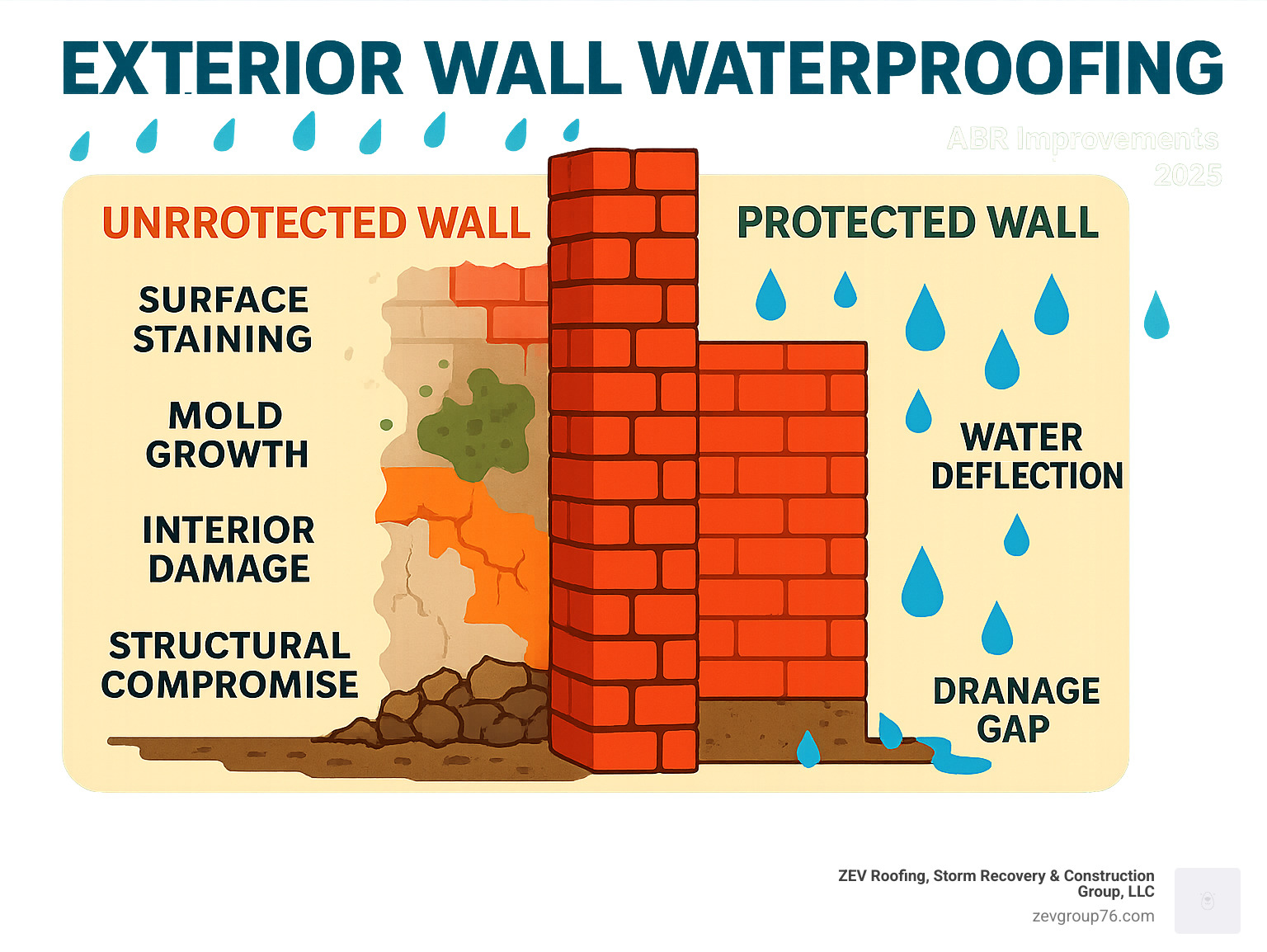
Water infiltration doesn’t just cause surface stains – it creates a cascade of problems. Damp walls become breeding grounds for mildew and mold, leading to health issues for occupants. The moisture weakens structural components, causes paint to peel, and can even compromise your building’s foundation over time.
In Texas and New Mexico, where weather extremes range from intense heat to sudden storms, your exterior walls face constant assault from the elements. Without proper waterproofing, you’re essentially gambling with one of your largest investments.
The good news? Proper exterior wall waterproofing can reduce energy costs by up to 10% by preventing heat loss in winter and heat gain in summer. More importantly, it stops small problems from becoming expensive disasters.
Understanding the Enemy: Common Causes of Water Infiltration
Understanding how water infiltrates your walls is the foundation of choosing the right exterior wall waterproofing strategy. Water is an opportunist and will find any weak spot in your home’s exterior defenses.
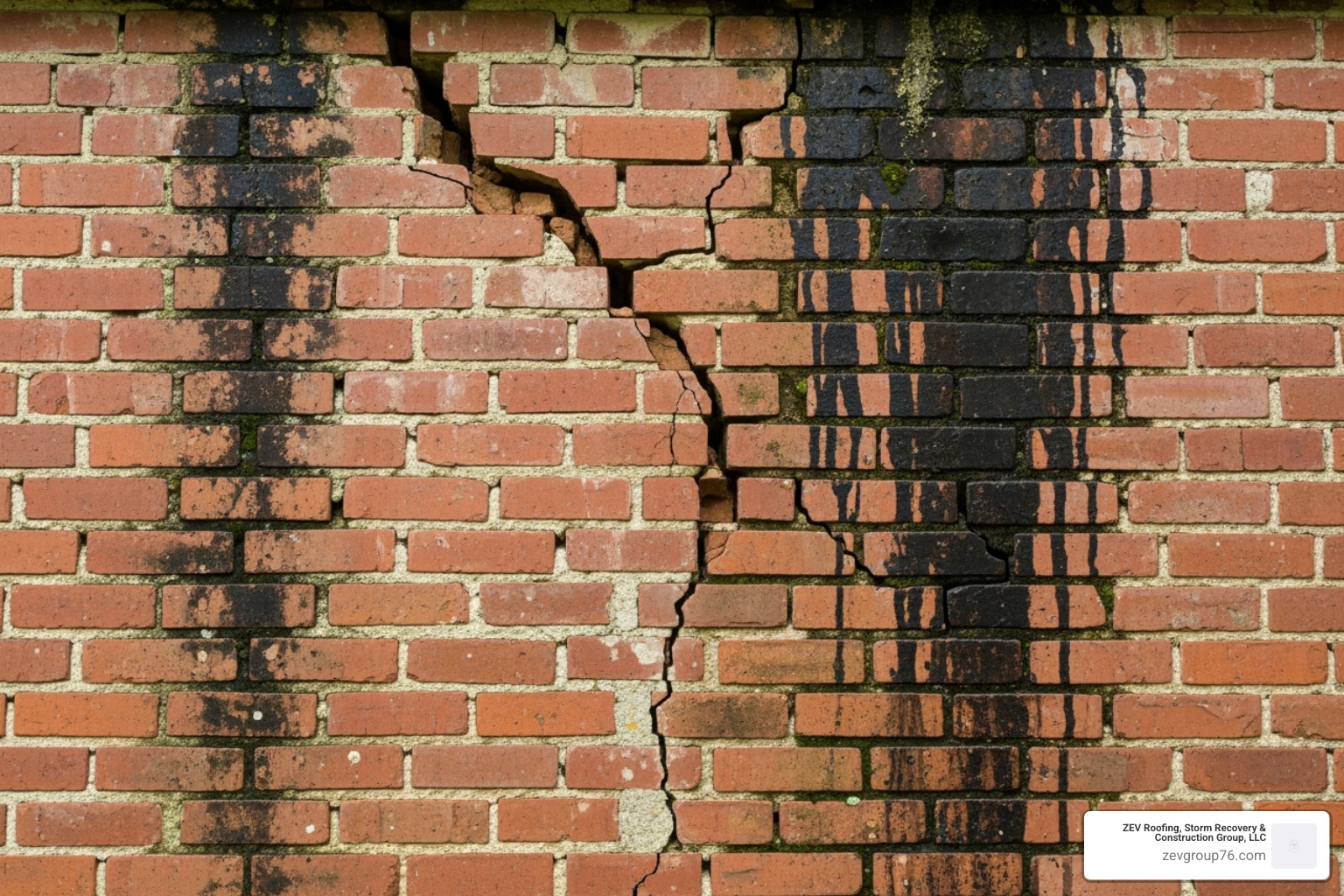
Hydrostatic pressure is created when heavy rains saturate the soil, putting enormous pressure on below-grade walls. This pressure can force moisture through tiny cracks or even solid concrete.
Capillary action is how porous materials like concrete and brick draw moisture inward and upward through microscopic pores. This often leaves behind white, chalky mineral deposits called efflorescence.
Wind-driven rain occurs when strong winds force rainwater into cracks, failing mortar joints, and gaps around windows that would normally stay dry.
Freeze-thaw cycles are particularly sneaky. Water seeps into small cracks, then freezes and expands. This expansion acts like a tiny jackhammer, widening hairline cracks into serious structural problems over several seasons.
Structural cracks develop from concrete shrinkage, material expansion and contraction, or foundation settling. What starts as invisible damage can become a direct highway for water into your walls.
Failing mortar joints in brick and stone walls break down over time due to weather. Crumbly or missing mortar creates pathways for water penetration, leaving your walls vulnerable.
Clogged gutters are major troublemakers. When they overflow, they dump cascades of water directly down your exterior walls, overwhelming them. This is why proper roof maintenance is crucial. You can learn more about our Roof Repair services.
Improper grading turns your landscape into water’s accomplice. If the ground slopes toward your house instead of away, every rainstorm sends water rushing to your foundation walls.
Here in Texas and New Mexico, we see all these problems regularly. Our intense summer heat, sudden storms, and occasional freeze events create the perfect storm for wall infiltration. Understanding how water attacks your walls helps you choose the right exterior wall waterproofing methods to stop it.
Your Complete Guide to Exterior Wall Waterproofing Methods
Now that we understand the threats, let’s explore the arsenal of exterior wall waterproofing solutions. Successful waterproofing means matching the right method to your wall material, its condition, and whether it’s above or below ground.
Waterproofing Coatings and Sealers
Coatings and sealers are applied directly to surfaces, creating a protective skin. They are ideal for above-grade applications where you’re dealing with wind-driven rain rather than serious hydrostatic pressure.
Elastomeric paint is a popular choice because it’s flexible. Unlike regular paint, it stretches with your walls as they expand and contract, bridging hairline cracks. It provides excellent UV protection against the Texas and New Mexico sun, and many formulations are breathable, letting moisture vapor escape while keeping liquid water out.
Cementitious coatings are durable, cement-based mixtures that create a rigid, waterproof barrier on concrete and masonry. They are highly effective in humid environments.
Silicate-based sealers chemically react with concrete or masonry to create an internal waterproof barrier, becoming part of the wall structure instead of just a surface layer.
Most coatings can be applied with standard rollers, brushes, or sprayers. The secret to success lies in proper surface preparation, which we’ll cover in detail later.
Waterproofing Membranes for Ultimate Protection
When you need serious protection, especially for foundation walls facing significant water pressure, membranes are your heavy artillery, providing the ultimate defense against water infiltration.
Sheet-based membranes are pre-formed rolls that adhere to your wall. Peel-and-stick varieties make installation straightforward, while torch-applied membranes create an incredibly durable, seamless barrier for more demanding applications.
Liquid-applied membranes are highly versatile. Applied like thick paint, they cure to form a seamless, rubber-like coating that’s perfect for complex shapes and irregular surfaces. This creates a continuous barrier with no seams for water to penetrate.
Below-grade applications, like basement and foundation walls, benefit enormously from membrane systems. These areas face constant hydrostatic pressure, and membranes provide the robust protection needed to keep interiors dry.
Combining a high-quality membrane with a proper drainage system represents the gold standard for foundation wall protection.
For detailed discussions and real-world experiences with various waterproofing products, especially for basement walls, this community discussion on waterproofing products offers valuable insights from professionals and homeowners.
The Critical Role of Drainage in Exterior Wall Waterproofing
Even the best exterior wall waterproofing system can fail if water constantly pools against your walls. Managing water before it reaches your waterproofing is absolutely crucial.
French drains are subsurface systems with perforated pipes in gravel-filled trenches. They act as your foundation’s best friend by collecting groundwater and redirecting it safely away.
Dimple boards are rigid plastic sheets that create an air gap between your waterproofing membrane and the soil. This allows water to drain freely down to footer drains rather than building up pressure against your wall.
Sump pumps provide active water removal for homes with basements. They collect water from perimeter drainage systems and pump it safely away from your house.
This system integration approach creates multiple layers of protection. Water that doesn’t reach your walls can’t penetrate them, and any moisture that does make contact faces a robust waterproof barrier.
Effective drainage also means proper surface grading and well-maintained gutters to channel runoff far from your walls, giving you the strongest possible defense.
The 5-Step Process for Flawless Application
Achieving long-lasting exterior wall waterproofing isn’t just about choosing the right product; it’s about meticulous application. We follow a proven step-by-step process to ensure every project delivers superior protection.
Step 1: Inspection and Damage Repair
Before any waterproofing material touches your walls, a thorough inspection is paramount to identify existing problems that could compromise the system.
- Identifying Cracks: We carefully check for all types of cracks – hairline, structural, vertical, horizontal – as even the smallest can be a pathway for water.
- Efflorescence: The white, powdery residue on masonry indicates moisture penetration and points to underlying issues.
- Spalling: This is when the surface of concrete, brick, or stone flakes or crumbles away, a clear sign of water damage and freeze-thaw cycles.
- Repairing with Hydraulic Cement: For larger cracks or holes, we use specialized materials like hydraulic cement, which expands as it cures to create a watertight seal.
- Addressing Issues from Storm Damage Repair: Our expertise extends to repairing damage from severe weather. Addressing these issues comprehensively before waterproofing is essential. Learn more about how we handle Storm Damage Repair to ensure your home’s integrity.
Step 2: Meticulous Surface Preparation
This is arguably the most critical step. Even the best waterproofing product will fail if applied to an improperly prepared surface.
- Pressure Washing: We use professional-grade pressure washing to remove all dirt, dust, grime, algae, mildew, and loose paint, ensuring a clean substrate for adhesion.
- Removing Contaminants: We remove any oil, grease, efflorescence, or other residues that could prevent proper bonding.
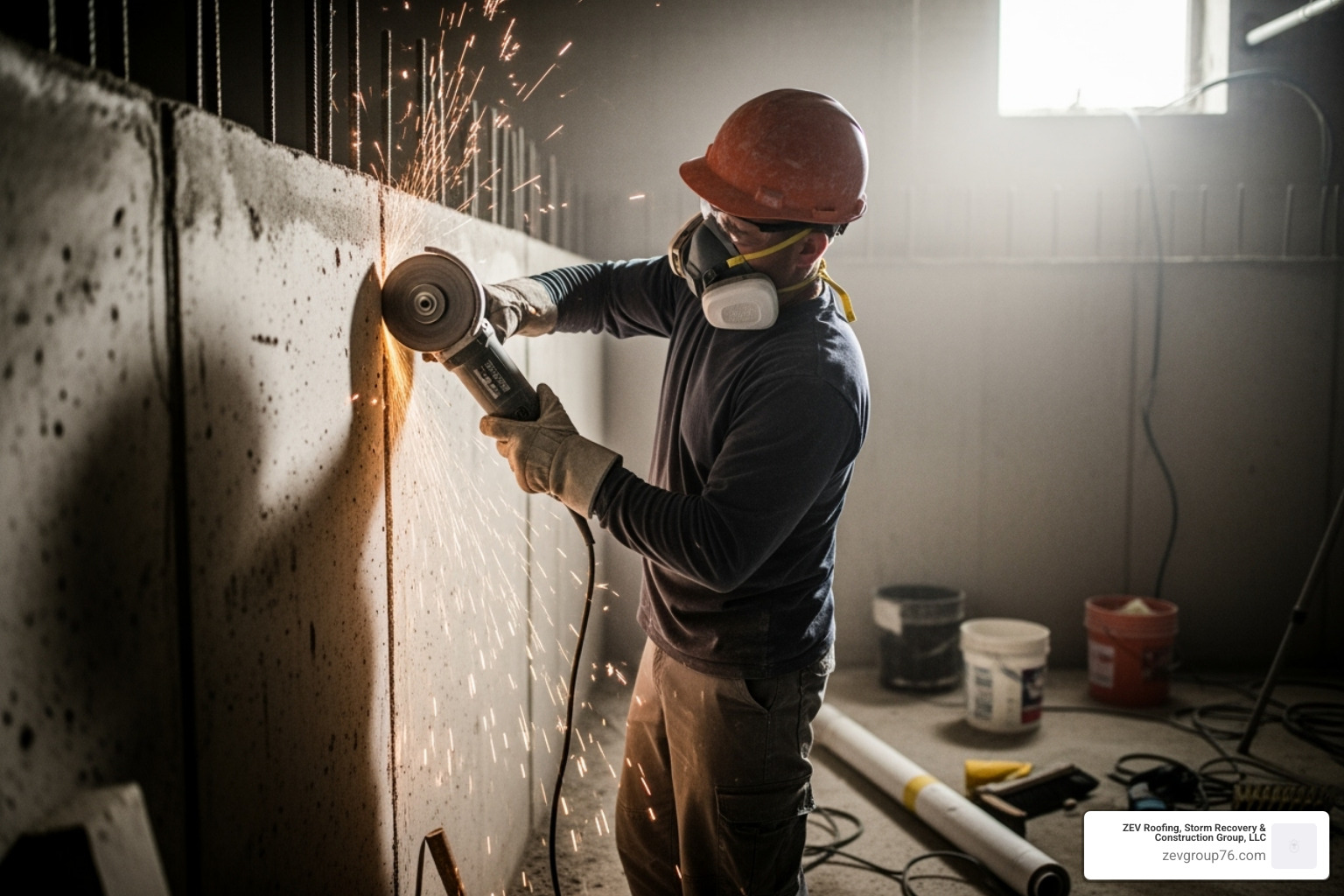
- Grinding Rough Areas: For concrete walls, we may grind down rough areas or uneven patches to create a smooth surface, preventing weak spots in membranes.
- Ensuring a Clean, Dry Surface: The wall must be completely clean and dry before application. Any moisture can lead to blistering or failure of the waterproofing layer.
Step 3: Applying the Waterproofing Material
With the wall prepped, it’s time for application.
- Following Manufacturer Guidelines: We strictly adhere to every product’s specific instructions regarding temperature, humidity, number of coats, and curing times to ensure performance and warranty validity.
- Primer Application: For many systems, especially peel-and-stick membranes, a primer is essential to improve adhesion and ensure a strong, lasting bond.
- Achieving Correct Thickness: For liquid-applied products, applying the correct film thickness is vital for an impenetrable barrier. We use precise techniques to ensure consistent coverage.
- Overlapping Seams: For sheet membranes, proper overlapping and sealing of seams are crucial to create a continuous, watertight envelope.
Step 4: Testing for Effectiveness
After the waterproofing material has cured, we conduct tests to ensure its effectiveness.
- Water-Tightness Test: We perform a water-tightness test by spraying the wall for several hours to mimic wind-driven rain.
- Moisture Meter Check: We use a moisture meter to check for any moisture penetration on the interior wall.
- Visual Inspection for Leaks: We also conduct a thorough visual inspection, looking for any drips, damp spots, or signs of water ingress.
- Curing Time: It’s important to allow the product to fully cure according to the manufacturer’s instructions before testing.
- Repair and Re-test: If any failures are detected, we identify the cause, make repairs, and re-test until the system is proven to be foolproof. Our goal is to ensure your exterior wall waterproofing is perfect.
Choosing Your Shield and Avoiding Common Pitfalls
Choosing the right exterior wall waterproofing solution is critical. We’ll help you steer the options and avoid costly mistakes.
How to Choose the Right Product for Your Exterior Wall Waterproofing Needs
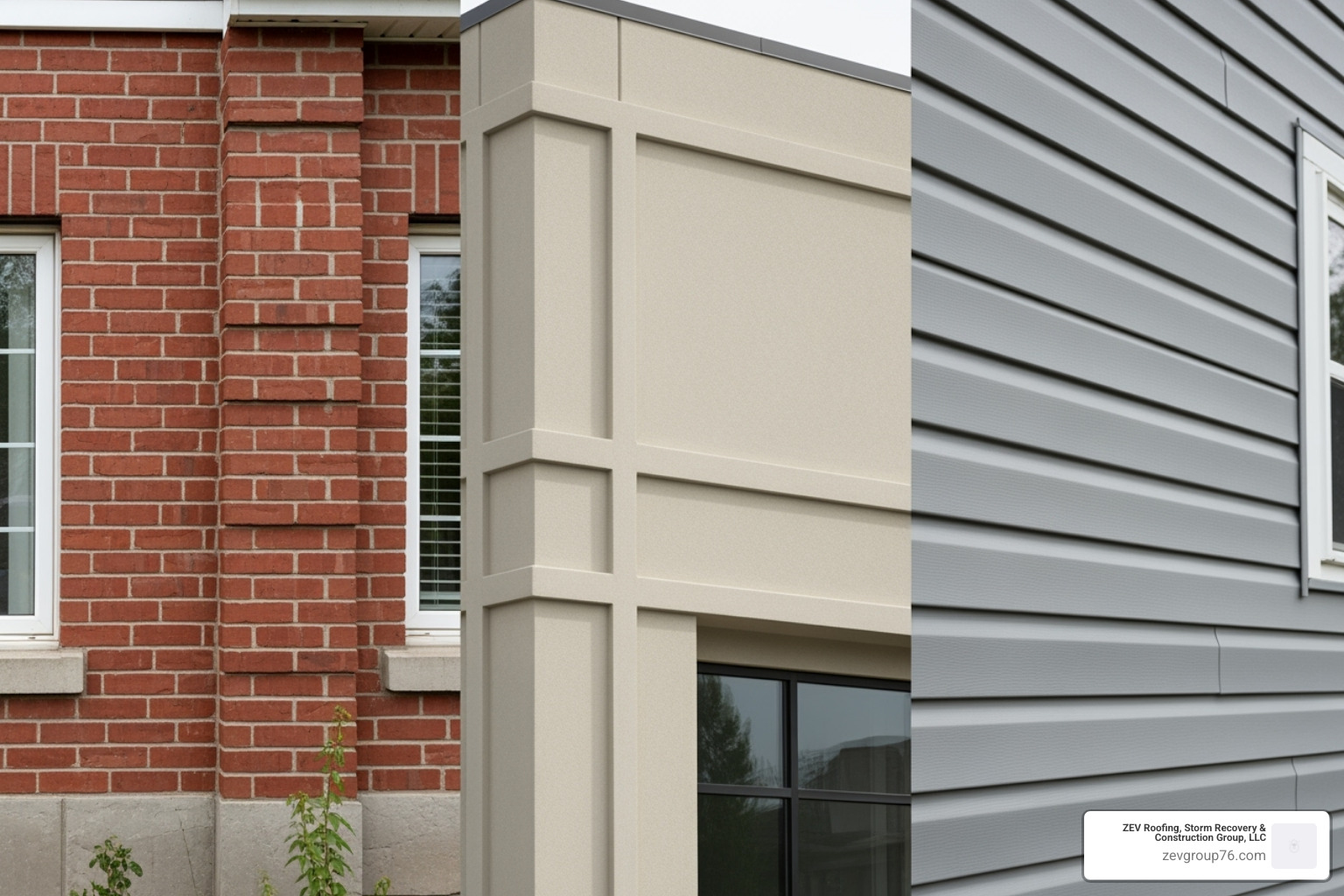
The “best” product isn’t universal – it’s the one that matches your specific property’s needs. Wall material analysis is your starting point.
Concrete and masonry walls are porous and respond beautifully to penetrating sealers like silicates, which create waterproofing from within. Cementitious coatings and membranes also work wonderfully.
Stucco walls are prone to hairline cracks that let water in. They need flexible, breathable coatings or liquid-applied membranes that can stretch and move with the material.
Wood siding acts as a first defense, but the real protection happens with the underlying water-resistive barriers and proper flashing. For comprehensive guidance, explore our insights on Exterior Siding.
Climate considerations for Texas and New Mexico can’t be ignored. The scorching sun demands UV resistance in any exposed material. Many waterproofing jobs fail simply because the material couldn’t handle our intense sunshine. Freeze-thaw resilience is equally important, as materials must handle the expansion and contraction from freezing water without cracking.
The above-grade versus below-grade distinction is crucial.
Above-grade walls primarily battle wind-driven rain. Here, coatings, elastomeric paints, and breathable sealers often provide excellent protection.
Below-grade walls face constant hydrostatic pressure from soil moisture. This requires heavy-duty solutions like sheet or fluid-applied membranes coupled with effective drainage systems. A simple coating is not enough for this underground battle.
Common Waterproofing Mistakes to Avoid
Avoiding common waterproofing mistakes can save you thousands in repairs and frustration.
Improper surface preparation is the leading cause of waterproofing failure. If the surface isn’t clean, dry, and free of contaminants, the product won’t adhere properly, leading to blistering, peeling, and premature failure.
Applying in wrong weather conditions is another common error. Waterproofing materials are sensitive to temperature and humidity. Applying them when it’s too hot, cold, or humid will cause improper curing and adhesion failure.
Ignoring drainage issues is like bailing out a boat without plugging the hole. If water continues pooling against your foundation, hydrostatic pressure will eventually win.
Using the wrong product for your wall material or location (e.g., an interior product outdoors) guarantees failure.
Skimping on material thickness is a penny-wise, pound-foolish mistake. Insufficient material can’t provide an adequate barrier.
Not repairing existing damage first only masks problems temporarily. Waterproofing is armor, not structural repair, and must be applied over a sound surface.
Frequently Asked Questions about Exterior Wall Waterproofing
When protecting your home from water damage, you probably have questions. These are the ones we hear most often from homeowners in Texas and New Mexico.
How long does exterior waterproofing last?
This is a common and important question. The lifespan of your exterior wall waterproofing depends on several key factors. Coatings and sealers typically provide solid protection for 5 to 15 years, with some high-end elastomeric coatings lasting even longer.
Membranes are the marathon runners of waterproofing. These robust systems, especially when installed below-grade, can protect your home for 20 to 50 years or more.
However, even the best product won’t reach its full potential without proper application and surface preparation. A poorly applied system will fail prematurely.
Environmental factors like intense UV rays and freeze-thaw cycles in Texas and New Mexico also play a huge role. Walls facing severe weather will naturally need attention sooner. Regular maintenance can extend your waterproofing’s life significantly.
Can I apply waterproofing over painted walls?
Whether you can apply waterproofing over existing paint depends on the specific waterproofing product and how well the paint is holding up.
The key word here is “sound.” If your existing paint is clean, dry, and sticking firmly, we might be able to work with it. But if we see any peeling, blistering, or chalking, that paint has to go.
Surface preparation becomes even more critical over painted surfaces. This may mean light sanding or applying a special primer to create the right bond.
We always check manufacturer specifications and assess the paint’s condition first. Proper prep is better than fixing a failed job later.
Is exterior or interior waterproofing better?
As a smart property owner, you might wonder which is better. The straight answer: exterior waterproofing wins almost every time.
Exterior waterproofing is proactive. It stops water at the source, before it can penetrate your walls. This protects not just your interior spaces but the entire wall structure from moisture damage, mold, and destructive freeze-thaw cycles.
Interior waterproofing, on the other hand, is reactive. It’s damage control. Interior systems collect water that has already passed through your foundation walls. This keeps your basement dry, but the water is still saturating your walls, potentially causing structural damage.
Think of it this way: exterior waterproofing is a raincoat that keeps you dry, while interior waterproofing is a towel for after you’re already wet. At ZEV Roofing, Storm Recovery & Construction Group, we always recommend exterior solutions whenever possible for the best long-term results.
Conclusion: Secure Your Structure and Peace of Mind
Think of exterior wall waterproofing as preventative insurance for your home. After reviewing the causes of water infiltration and the methods to stop it, one thing is clear: protecting your walls is essential.
The benefits go far beyond just keeping water out. Proper exterior wall waterproofing provides automatic mold prevention because moisture can’t get a foothold. Structural protection means your foundation and framing stay strong for decades instead of slowly crumbling from the inside out.
Energy efficiency also gets a major boost. Dry walls insulate better, potentially saving you up to 10% on energy costs.
Your property value stays protected as well. A properly waterproofed home shows potential buyers it’s a smart investment, not a future headache.
At ZEV Roofing, Storm Recovery & Construction Group, LLC, we’ve seen the costly results of waiting too long and the peace of mind that comes with proper exterior wall waterproofing. We know what your walls are up against in the Texas and New Mexico climate, from intense sun to sudden storms.
Don’t let water win this battle. The cost of prevention is always less than the cost of repairs – sometimes by 15 times or more. Take action now while you’re in control, not scrambling to fix damage after it’s happened.
Ready to give your home the protection it deserves? Learn more about our comprehensive leak prevention solutions and find how we can help you sleep better knowing your biggest investment is safe and sound.